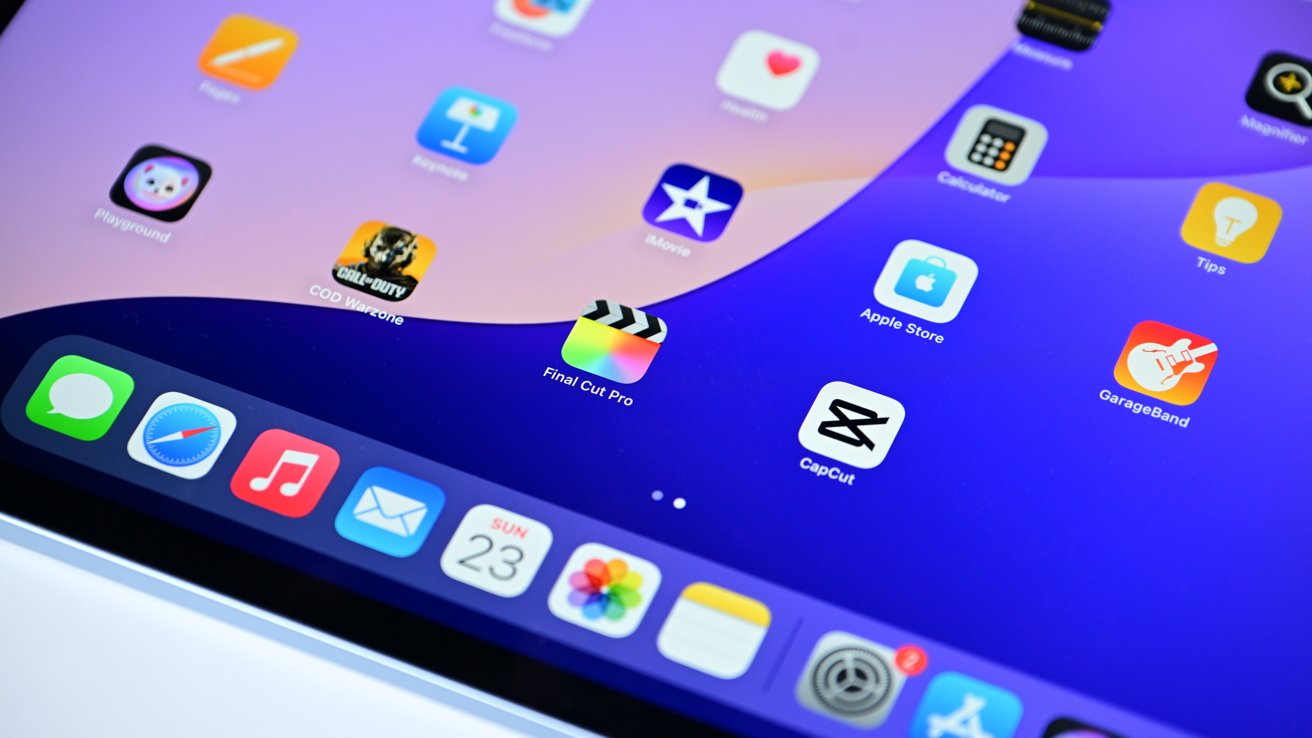
Apple’s iPad Pro: Embracing Stability Amidst Technological Evolution
In the ever-evolving landscape of technology, Apple’s iPad Pro has consistently stood as a beacon of innovation and design excellence. However, recent insights suggest that the tech giant may be shifting its strategy, opting for a period of design stability for its flagship tablet.
A Pause in Major Redesigns
On February 16, 2026, reports emerged indicating that Apple has no immediate plans for a significant redesign of the iPad Pro. Instead, the company appears poised to focus on routine chip updates, maintaining the current design ethos for the foreseeable future. This approach marks a departure from the frequent design overhauls that have characterized Apple’s product evolution.
The 2024 Redesign: A Milestone
The last substantial redesign of the iPad Pro occurred in 2024. This iteration introduced OLED displays, offering enhanced contrast and color accuracy, and achieved a thinner profile, all powered by the M-series silicon. These advancements solidified the iPad Pro’s position as a leader in performance and display quality within Apple’s tablet lineup.
Economic Considerations and Market Dynamics
The transition to OLED technology, while beneficial in terms of display quality, brought about increased manufacturing costs. OLED panels, especially at the sizes utilized by Apple, are more expensive than their LCD counterparts. In a mature tablet market, these elevated costs can impact profit margins. Additionally, the anticipated surge in sales following the 2024 redesign did not materialize as expected, prompting Apple to reconsider its approach to hardware updates.
Strategic Implications of Design Consistency
Historically, Apple has maintained consistent industrial designs across multiple product generations when performance and profit margins remain robust. For instance, the iPhone typically retains the same design for two years, while the MacBook Pro’s design cycle extends to four or five years. By extending the lifecycle of the current iPad Pro design, Apple can distribute development and tooling expenses over a more extended period, thereby enhancing profitability.
Anticipated Incremental Enhancements
While a major redesign may not be on the horizon, incremental improvements are expected. Speculations suggest that the iPad Pro could be upgraded to the M6 chip by late 2026 or 2027. Additionally, there are discussions about incorporating vapor chamber cooling technology, akin to that found in the iPhone 17 Pro. These enhancements aim to boost sustained performance without necessitating changes to the device’s exterior design.
Understanding the iPad Pro User Base
The iPad Pro caters primarily to creative professionals, developers, and power users who often retain their devices for extended periods, typically ranging from three to five years. This user behavior aligns with Apple’s potential strategy of prolonging hardware cycles, emphasizing the iPad Pro’s role as a durable professional tool rather than an annual upgrade necessity.
Potential Future Developments
Looking ahead, Apple is reportedly exploring the integration of MagSafe charging into future iPad Pro models. This feature would enable wireless charging, enhancing user convenience. However, implementing MagSafe presents challenges, particularly concerning the device’s aluminum backplate, which could interfere with wireless charging capabilities. One proposed solution involves incorporating a glass Apple logo on the rear, facilitating MagSafe charging without compromising the device’s structural integrity.
Conclusion
Apple’s decision to maintain the current design of the iPad Pro underscores a strategic emphasis on stability and incremental innovation. By focusing on internal enhancements and addressing user needs, Apple aims to sustain the iPad Pro’s reputation as a reliable and high-performing tool for professionals. As the tech landscape continues to evolve, this approach reflects a nuanced understanding of market dynamics and user expectations.