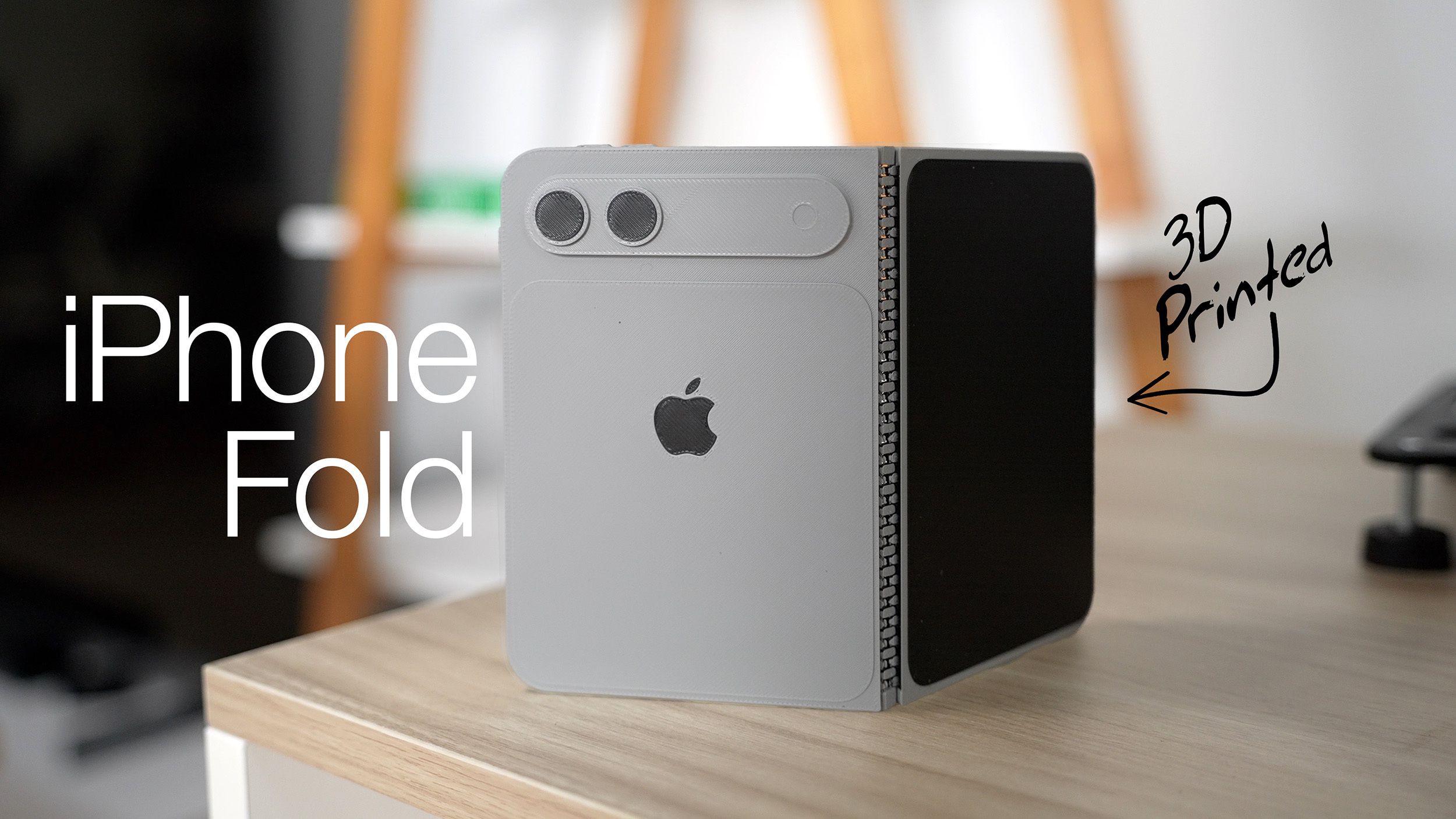
Unveiling the iPhone Fold: Key Insights into Apple’s Upcoming Foldable Device
Apple’s foray into the foldable smartphone market has been a topic of intense speculation and anticipation. Recent developments have shed light on several aspects of the upcoming iPhone Fold, offering a clearer picture of what consumers can expect.
Display Crease:
One of the primary concerns with foldable devices has been the visible crease that appears on the display after repeated folding. Initial reports suggested that Apple had effectively addressed this issue by incorporating a new Samsung-supplied panel, described as virtually crease-free and even having no crease at all. However, subsequent insights from Bloomberg’s Mark Gurman indicate that while the new display technology does reduce the prominence of the crease, it doesn’t eliminate it entirely. Gurman notes that the result is not perfect, suggesting that while improvements have been made, the crease may still be noticeable to some extent.
Outer Display Camera:
The iPhone Fold is expected to feature a 5.5-inch outer display equipped with a hole-punch front-facing camera. Unlike previous iPhone models that utilized a pill-shaped notch to house the camera and Face ID components, the foldable variant will forgo Face ID in favor of Touch ID integrated into the side button. Despite the shift to a hole-punch design, the device will retain the Dynamic Island interface, which provides system alerts and Live Activities, ensuring a seamless user experience.
Inner Display Camera:
Early speculations hinted at the possibility of Apple adopting under-screen camera technology for the iPhone Fold’s 7.8-inch inner display, aiming for a true all-screen experience. However, recent reports suggest that Apple has decided against this approach. The under-display camera technology reportedly resulted in subpar image quality, leading Apple to opt for a more traditional camera placement to maintain the high standards users expect from iPhone photography.
Hinge Design and Durability:
The durability of the hinge mechanism is crucial for the longevity of foldable devices. Apple is reportedly implementing a unique hinge system designed to distribute stress evenly across the display during folding and unfolding. This innovative design aims to minimize wear and tear, potentially extending the device’s lifespan and enhancing user satisfaction.
Software Optimization:
To complement the hardware innovations, Apple is focusing on optimizing iOS to provide a seamless experience on the foldable form factor. This includes adapting the user interface to transition smoothly between the folded and unfolded states, ensuring that apps and system functions operate intuitively regardless of the display configuration.
Market Positioning and Pricing:
Entering the foldable market positions Apple in direct competition with established players like Samsung. The iPhone Fold is expected to be priced between $1,800 and $2,000, aligning with the premium segment of the market. This pricing strategy reflects the advanced technology and design innovations incorporated into the device.
Anticipated Release:
Apple is expected to unveil the iPhone Fold in September 2026, alongside the iPhone 18 lineup. This launch will mark a significant milestone in Apple’s product offerings, introducing a new form factor that combines the portability of a smartphone with the expansive display of a tablet.
Conclusion:
The iPhone Fold represents a bold step for Apple into the evolving landscape of foldable technology. While challenges such as display creases and camera integration have been addressed to varying degrees, the device promises to deliver a unique blend of innovation and functionality. As the anticipated launch date approaches, consumers and industry observers alike are eager to see how Apple’s entry into the foldable market will reshape user experiences and set new standards for mobile devices.