Apple’s Partial Victory in iPhone Privacy Lawsuit Hinges on Technicalities
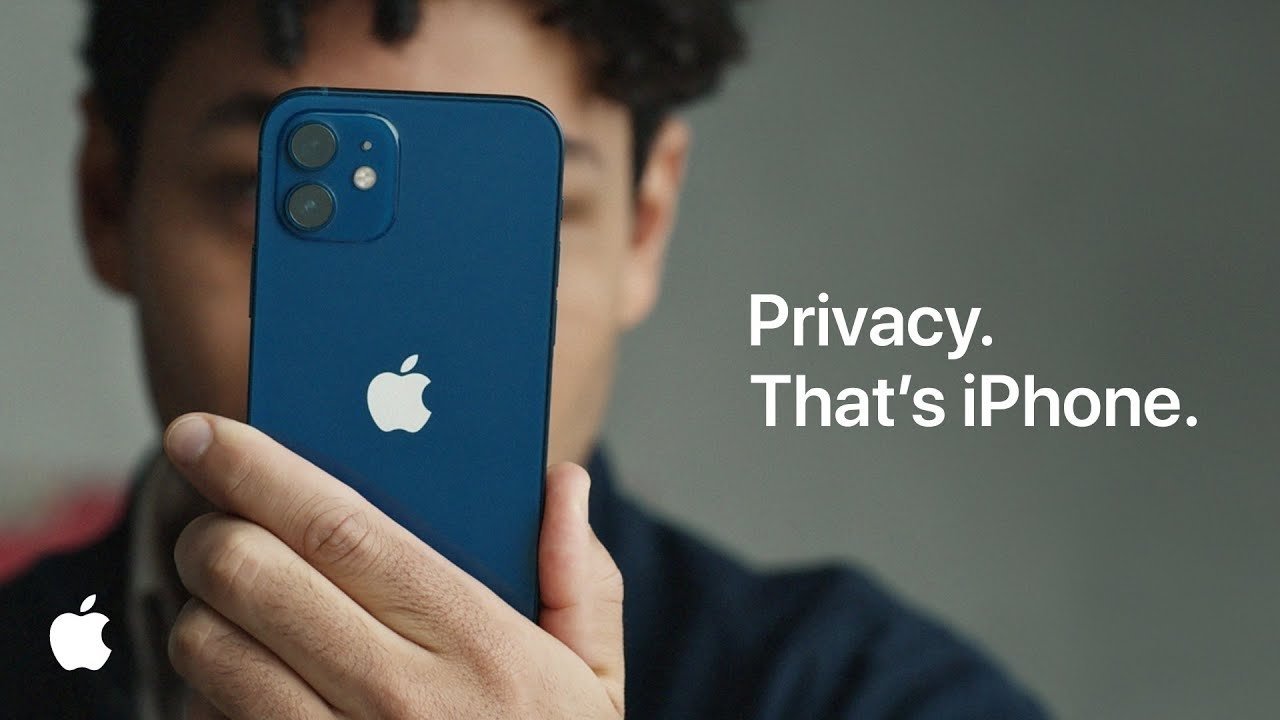
Apple has recently achieved a partial victory in a California-based lawsuit alleging violations of user privacy through data collection via its first-party applications. This development, however, stems more from procedural shortcomings on the plaintiffs’ part than from a substantive vindication of Apple’s practices.
Background of the Lawsuit
The lawsuit centers on accusations that Apple unlawfully gathered user data through its native apps, such as the App Store, Apple Music, Apple TV, Books, Stocks, and Game Center. The plaintiffs argue that Apple misled consumers by suggesting that certain settings would restrict data collection, while in reality, these settings allegedly had no effect. The claims include violations of the California Invasion of Privacy Act (CIPA), Pennsylvania’s Wiretapping and Electronic Surveillance Act (WESCA), constitutional privacy rights, and California’s Unfair Competition Law (UCL), among others.
Court’s Ruling
On January 20, the U.S. District Court for the Northern District of California in San Jose granted Apple’s motion to dismiss several claims. The court’s decision was based on the plaintiffs’ failure to meet the necessary legal standards in their complaints. Specifically, the allegations lacked sufficient factual detail to be considered plausible. The court highlighted contradictions in the definition of a pen register and the recording mechanisms involved, as well as the plaintiffs’ inability to demonstrate a reasonable expectation that no usage data would be transmitted to Apple. Additionally, the wiretapping claims were dismissed due to insufficient detail regarding the intercepting device under WESCA and the nature of the data collected.
Implications and Next Steps
Despite the dismissal of several claims, the lawsuit is not entirely concluded. Judge Edward J. Davila expressed skepticism about the plaintiffs’ ability to amend their claims successfully but granted them a 30-day period to submit an amended complaint. This opportunity suggests that while the current claims are deficient, the plaintiffs may attempt to address these issues in a revised filing.
Context of Apple’s Privacy Challenges
This case is part of a broader pattern of legal challenges Apple has faced concerning user privacy. In January 2025, Apple agreed to a $95 million settlement to resolve a class-action lawsuit alleging unauthorized recording of conversations via Siri. The settlement covered users of Siri-enabled devices from September 2014 to December 2024, with potential individual payouts of up to $20 per device. Despite the settlement, Apple denied any wrongdoing.
In another instance, a 2022 lawsuit accused Apple of collecting user data through the App Store, even when users had disabled tracking settings. The plaintiffs claimed that Apple’s practices infringed upon consumers’ privacy and misled them regarding the effectiveness of privacy settings. Apple has consistently maintained that it does not sell user data and that its data collection practices are designed to enhance user experience without compromising privacy.
Legal Landscape and Industry Implications
Apple’s legal battles over privacy are not isolated incidents but reflect a growing scrutiny of tech companies’ data practices. The outcomes of these cases could have significant implications for how companies collect, use, and disclose user data. They also highlight the importance of clear and transparent communication with users about data practices and the functionality of privacy settings.
As the current lawsuit progresses, it will be crucial to monitor how the plaintiffs address the deficiencies in their claims and whether they can present a case that meets the court’s standards. For Apple, these legal challenges underscore the ongoing tension between data-driven business models and user privacy concerns, a balance that continues to shape the tech industry’s landscape.