Apple’s Next-Gen AirPods: Revolutionizing Gesture Control with Advanced Antenna Technology
Apple is poised to redefine user interaction with its AirPods by integrating advanced gesture recognition capabilities directly into the device’s antenna system. This innovative approach aims to enhance the responsiveness and precision of gesture controls, offering users a more intuitive and seamless experience.
Innovative Use of Antenna for Gesture Detection
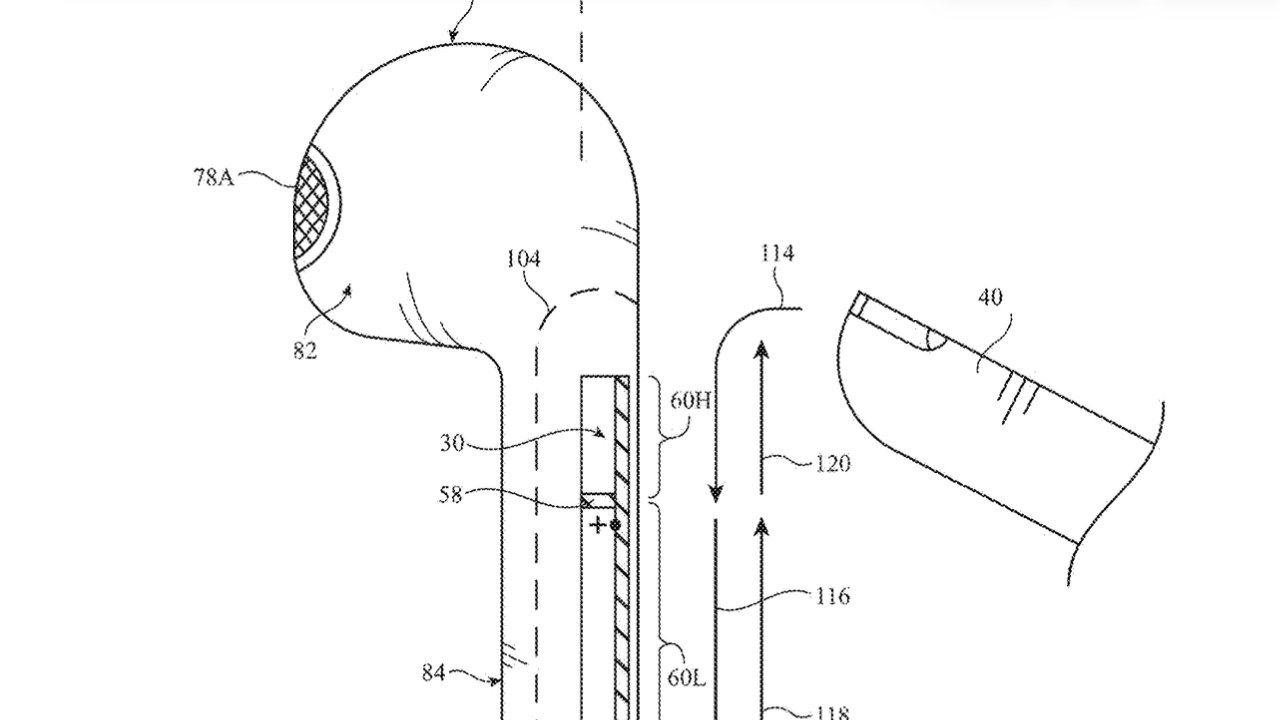
Traditionally, AirPods have relied on capacitive sensors to detect touch inputs. However, Apple is exploring a groundbreaking method that utilizes the radio frequency (RF) antenna within the AirPods to sense user gestures. By measuring changes in impedance—a property that indicates how much the antenna resists electrical current—AirPods can detect the presence and movement of a user’s finger near the device. This method allows for the recognition of various gestures, such as swipes or taps, without the need for additional sensors.
Enhancing Gesture Recognition Precision
The integration of gesture detection into the antenna system is expected to significantly improve the accuracy and speed of gesture recognition. By eliminating the need for separate detection circuitry, this approach reduces latency, ensuring that user inputs are registered and executed more swiftly. This advancement is particularly beneficial for functions like adjusting volume or skipping tracks, where immediate response is crucial.
Potential for Expanded Gesture Controls
Apple’s exploration into antenna-based gesture recognition opens the door for a broader range of user inputs. Beyond simple taps and swipes, future AirPods could support more complex gestures, such as circular motions for volume control or specific patterns to activate certain features. This expansion would provide users with a more versatile and customizable control scheme, enhancing the overall user experience.
Implications for Design and User Experience
By integrating gesture recognition into the antenna system, Apple can streamline the design of future AirPods. This consolidation reduces the need for multiple sensors, potentially leading to a more compact and lightweight device. Additionally, this approach could improve battery efficiency by minimizing the power consumption associated with multiple sensors. For users, these design enhancements translate to increased comfort and longer usage times.
Broader Context of Gesture Recognition in Wearable Technology
Apple’s focus on advanced gesture recognition aligns with a broader trend in wearable technology. Companies are increasingly seeking ways to make device interactions more natural and intuitive. For instance, research into millimeter-wave radar and inertial measurement units (IMUs) has demonstrated the potential for accurate hand gesture recognition in head-mounted devices. These developments indicate a growing emphasis on touchless controls and the integration of gesture recognition into various wearable platforms.
Conclusion
Apple’s innovative use of antenna technology for gesture recognition in AirPods represents a significant leap forward in wearable device interaction. By enhancing the precision and responsiveness of gesture controls, this approach promises to deliver a more intuitive and seamless user experience. As Apple continues to refine this technology, users can anticipate AirPods that not only offer superior audio quality but also set new standards for user-friendly design and functionality.