Apple Overhauls Mac Ordering Process for Personalized Configurations
Apple has recently revamped its online store’s Mac ordering process, introducing a more personalized and flexible approach for customers. This update affects the entire Mac lineup, including the MacBook Air, MacBook Pro, iMac, Mac mini, Mac Studio, and Mac Pro.
Transition from Preconfigured Models to Custom Builds
Previously, Apple’s online store offered a selection of standard configurations for each Mac model. Customers could choose a base model and then opt for specific upgrades. Now, the process has shifted to a fully customizable, feature-by-feature selection, mirroring the ordering experience of iPads. This change allows users to tailor their Macs to their exact specifications from the outset.
Step-by-Step Customization Process
For instance, when ordering a MacBook Pro, customers will now follow these steps:
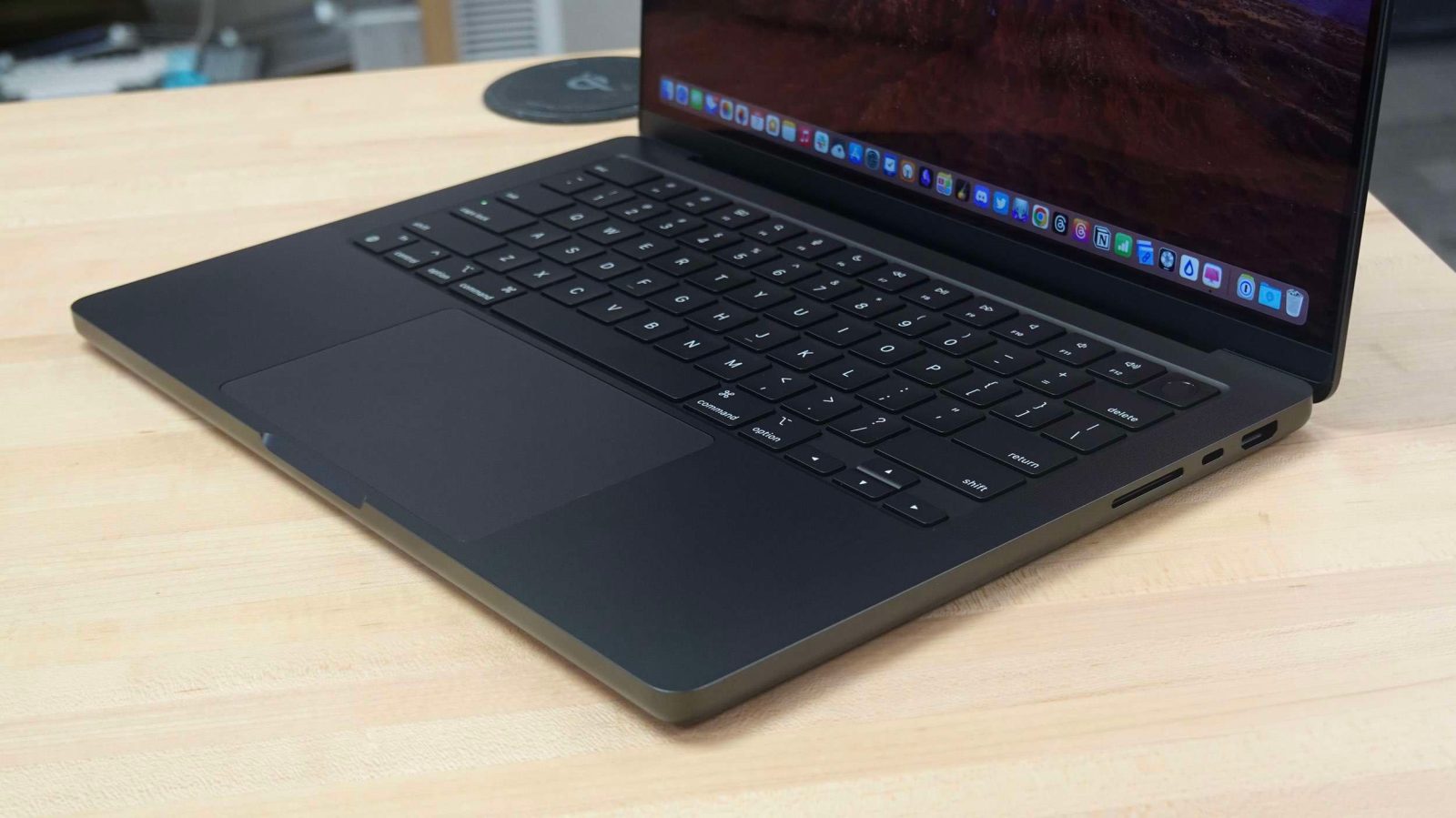
1. Display Size and Color Selection: Begin by choosing between a 14-inch or 16-inch display and selecting the preferred color.
2. Display Type: Opt for a standard or nano-texture display, depending on glare reduction preferences.
3. Processor Choice: Select from the available M-series chips and core counts suitable for the chosen MacBook Pro size.
4. Memory and Storage Configuration: Customize the amount of RAM and SSD storage to meet performance and capacity needs.
5. Power Adapter and Keyboard Language: Choose the appropriate power adapter and specify the desired keyboard language.
This comprehensive customization ensures that each Mac is built to the user’s exact requirements, enhancing the overall purchasing experience.
Implications for Customers
The shift to an à la carte ordering system offers several benefits:
– Enhanced Personalization: Users can configure their Macs precisely to their needs without being limited by predefined models.
– Informed Decision-Making: The step-by-step process provides clarity on each component, helping customers understand the impact of their choices on performance and price.
– Potential for Cost Efficiency: By selecting only the features they need, customers may avoid paying for unnecessary upgrades included in standard configurations.
Current Limitations and Future Expectations
Despite the increased flexibility, certain limitations remain. Notably, the MacBook Pro cannot yet be configured with the anticipated M5 Pro or M5 Max chips, as these models have not been released. Customers eagerly await these updates, hoping for their availability in the near future.
Comparative Analysis with Previous Ordering System
Under the former system, customers selected from a range of preconfigured models and could make limited upgrades. This approach often led to compromises, as users had to choose the closest fit rather than an exact match to their preferences. The new system eliminates these constraints, offering a more user-centric experience.
Industry Perspective
This change aligns with a broader trend in the tech industry towards greater product customization. By allowing customers to build their devices from the ground up, companies can cater to a diverse range of needs and preferences, enhancing customer satisfaction and loyalty.
Conclusion
Apple’s overhaul of the Mac ordering process marks a significant shift towards personalization and flexibility. By enabling customers to configure their Macs feature by feature, Apple empowers users to create devices that truly align with their individual requirements. While some limitations persist, such as the unavailability of certain chip options, the new system represents a substantial improvement over the previous model, reflecting Apple’s commitment to enhancing the customer experience.