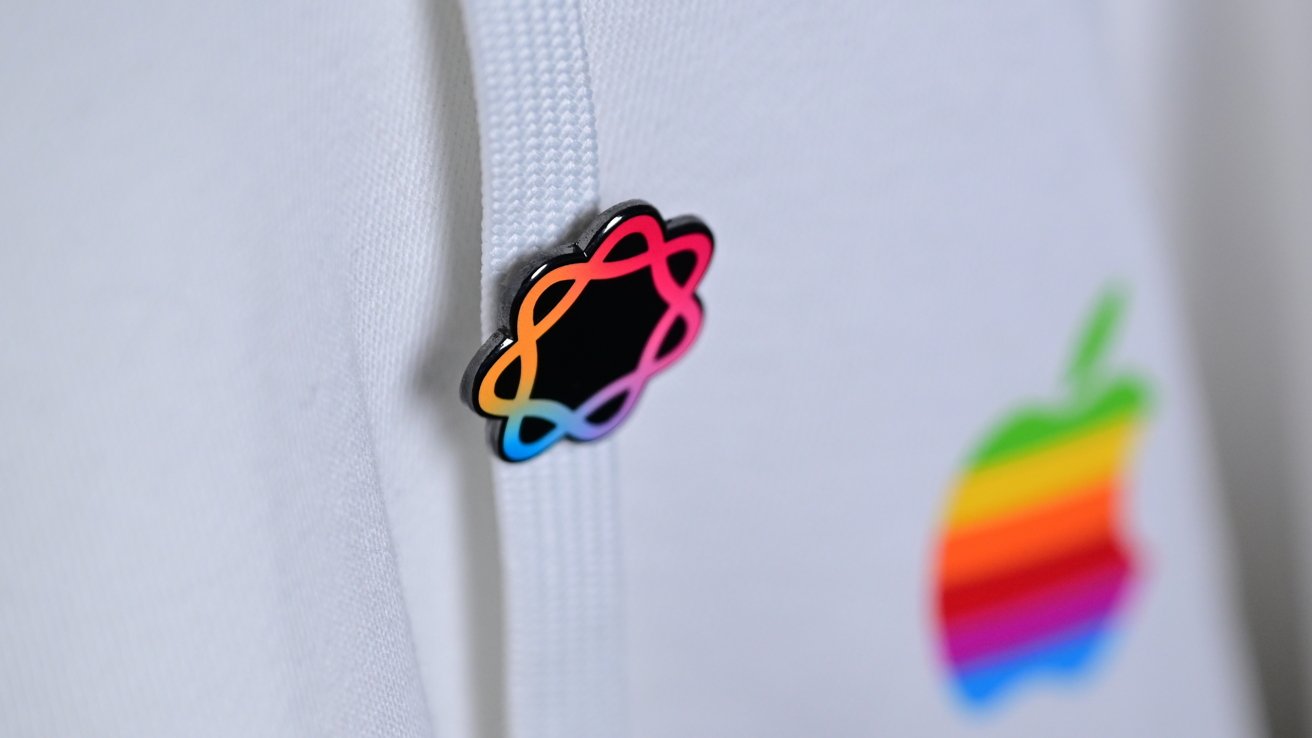
Apple’s Bold Leap into Wearable AI: The Development of an AI-Powered Pin
In the ever-evolving landscape of wearable technology, Apple is reportedly embarking on an ambitious project: the development of a wearable AI pin. This initiative aims to seamlessly integrate artificial intelligence into users’ daily lives, offering a hands-free, voice-activated experience reminiscent of the iconic Star Trek communicator.
Design and Features
According to sources familiar with the project, the AI pin is envisioned to be approximately the size of an AirTag, featuring a sleek, flat, circular design encased in aluminum and glass. Key components are rumored to include:
– Dual Cameras: Positioned at the front, these cameras are expected to consist of standard and wide-angle lenses, enabling users to capture images and videos effortlessly.
– Audio Capabilities: Equipped with three microphones and a speaker, the device is designed to facilitate clear voice commands and audio feedback.
– User Interface: A physical button is anticipated, providing tactile control over the device’s functions.
– Charging Mechanism: The pin is likely to support magnetic inductive charging, akin to the Apple Watch, ensuring convenient power replenishment.
Development Timeline
Currently in the early stages of development, the AI pin is projected for a potential release no earlier than 2027. Apple is reportedly aiming for an accelerated development timeline compared to its other secretive projects, with plans to mass-produce up to 20 million units upon launch.
Contextualizing Apple’s Venture
Apple’s foray into wearable AI comes in the wake of previous industry attempts that have faced significant challenges. Notably:
– Humane AI Pin: Developed by former Apple executives, this device aimed to offer a screenless, voice-controlled experience. Despite initial enthusiasm, it struggled with user adoption and was eventually discontinued, leaving early adopters with obsolete hardware.
– Rabbit R1: Positioned as a more affordable alternative, the Rabbit R1 also faced hurdles in gaining traction, highlighting the complexities of introducing new wearable AI devices to the market.
Apple’s Strategic Positioning
Apple’s extensive resources, design expertise, and established ecosystem position it uniquely to address the shortcomings of previous devices. The company’s commitment to user privacy, seamless integration across its product line, and a robust developer community could provide the necessary foundation for the AI pin’s success.
Broader Implications and Competitor Movements
The wearable AI space is witnessing increased activity:
– OpenAI and Jony Ive Collaboration: Reports suggest that OpenAI, in partnership with renowned designer Jony Ive, is developing a neck-worn AI device with a form factor reminiscent of the iPod Shuffle. This device is expected to enter mass production in 2027, indicating a growing interest in screenless, voice-activated wearables.
– Apple’s Other Wearable Initiatives: Beyond the AI pin, Apple is rumored to be exploring other wearable technologies, including smart glasses (Apple Glass) and AI-integrated AirPods. These devices aim to offer augmented reality experiences and enhanced audio functionalities, respectively.
Challenges and Considerations
Despite the potential, the development of a successful wearable AI device is fraught with challenges:
– User Adoption: Convincing consumers to integrate a new device into their daily routines requires demonstrating clear value and ease of use.
– Privacy Concerns: Continuous audio and visual data collection necessitates robust privacy safeguards to maintain user trust.
– Technical Limitations: Ensuring reliable performance, battery life, and seamless integration with existing devices are critical technical hurdles.
Conclusion
Apple’s rumored development of a wearable AI pin signifies a bold step into the future of personal computing. By learning from past industry missteps and leveraging its strengths, Apple aims to redefine the wearable AI landscape. As the project progresses, it will be crucial to monitor how Apple addresses the inherent challenges and whether it can deliver a device that resonates with consumers and sets a new standard in wearable technology.