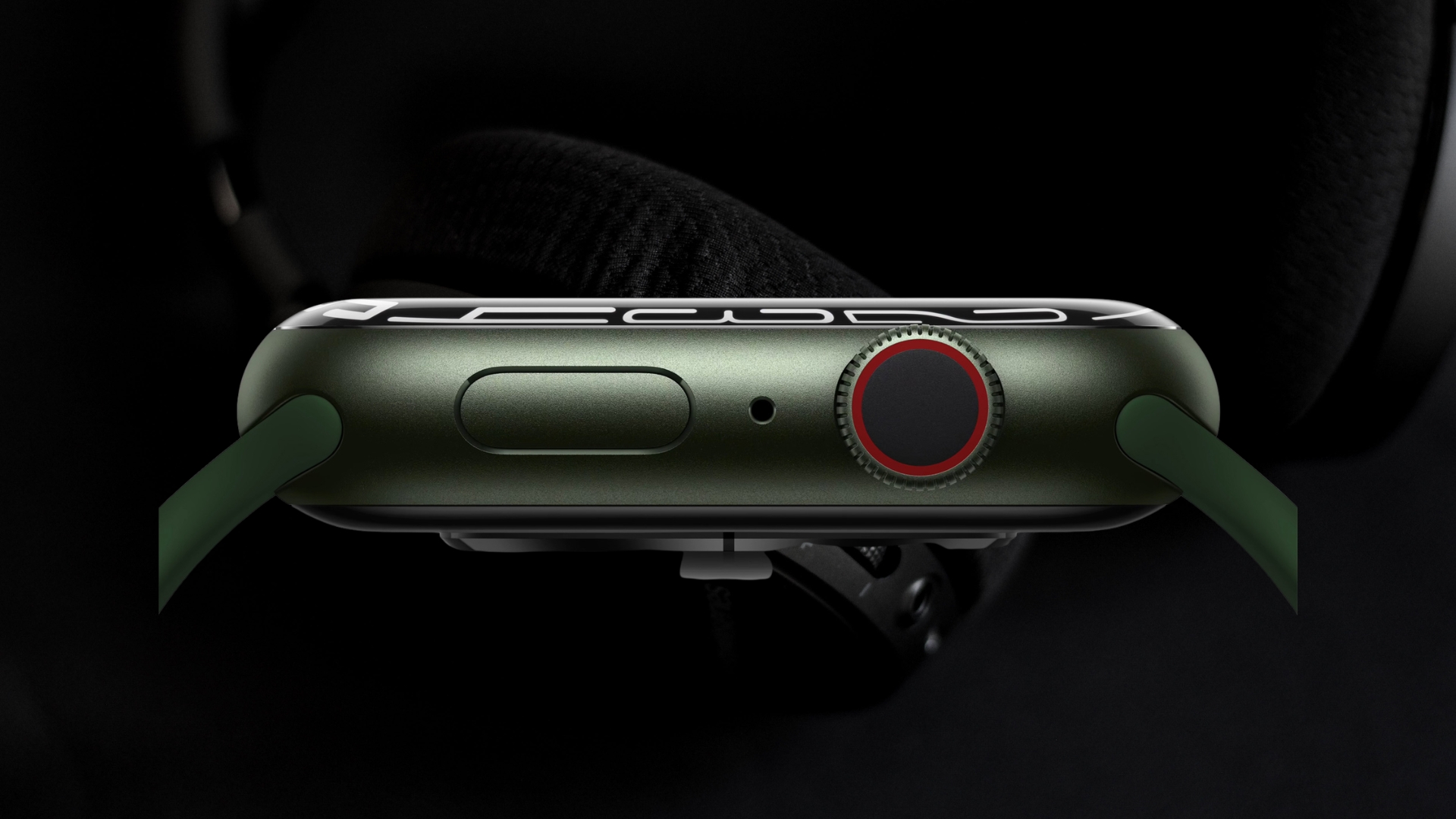
Apple’s Innovative Patent Paves the Way for Wireless Service Ports in Apple Watch
Apple is pioneering a groundbreaking wireless architecture aimed at eliminating the need for concealed service ports in compact devices like the Apple Watch. Traditionally, these devices have relied on physical connectors such as pogo-pin interfaces or internal pads for diagnostics and servicing. Apple’s new system proposes utilizing high-speed radio frequency (RF) communication channeled through the watch’s band slot, effectively replacing physical diagnostic connectors with a sealed wireless link.
High-Speed Wireless for Service and Manufacturing
This innovative approach transcends standard Bluetooth pairing by supporting exceptionally high data throughput. The architecture is specifically designed to facilitate:
– Comprehensive factory testing
– In-depth debugging and diagnostics
– Efficient firmware flashing and restoration
– Rapid data transfer during manufacturing processes
The patent outlines capabilities for multi-gigabit data transmission, positioning the system well beyond typical consumer accessory communication. This indicates Apple’s focus on enhancing internal workflows and service center operations.
Flexible Antenna Design Within Compact Spaces
Given the limited internal space of smartwatches, Apple addresses this challenge by embedding antennas into a flexible printed circuit board (PCB) that conforms to the device’s interior surfaces. This design strategy offers several advantages:
– Optimized internal space utilization
– Minimal impact on battery placement
– Flexibility to position antennas in unconventional locations
By integrating the antenna around the interior surfaces, Apple ensures robust signal integrity while preserving the placement of essential components.
Controlled RF Transmission Through the Band Slot
Instead of emitting RF signals through the display or rear crystal, Apple directs RF energy through the strap channel. A dielectric insert within the metal sidewall allows signals to pass while maintaining structural integrity. This design choice is significant for two main reasons:
– It avoids compromising the device’s aesthetics
– It maintains a fully sealed exterior
Consequently, the band slot functions as an effective RF aperture without altering the device’s external appearance.
Interference Management and Intelligent Switching
The patent delves into sophisticated interference mitigation strategies. It describes a system that monitors signal quality, active connections, and wired accessory states. When specific conditions are met, the device can adjust its radio behavior to minimize interference between wired and wireless signals. For instance, if a wired connection operates above certain frequency thresholds, the device can modify how cellular or wireless bands function. The architecture continuously monitors metrics such as signal strength, error rates, and connection status before implementing mitigation routines. This level of control underscores Apple’s commitment to precision testing environments where reliability is paramount.
Foundation for Smart Bands and Modular Accessories
While the patent primarily focuses on service workflows, the architecture also lays the groundwork for future innovations. A high-bandwidth wireless interface located at the band slot opens possibilities for:
– Smart straps equipped with embedded sensors
– Health monitoring modules integrated into bands
– Modular expansion accessories
– Direct data transfer between the watch and band
Apple has previously explored concepts related to smart bands. This system provides the necessary RF infrastructure to support such advancements without the need for physical connectors.
Conclusion
Apple’s latest patent reveals a forward-thinking approach to device servicing and functionality. By eliminating physical service ports and adopting a high-speed wireless architecture, Apple not only enhances the efficiency of diagnostics and manufacturing processes but also paves the way for future innovations in wearable technology. This development signifies a significant step toward a connector-free future, starting with the Apple Watch.