Apple’s MacBook Neo: A Game-Changer in Affordable Computing
Apple has unveiled the MacBook Neo, a groundbreaking addition to its Mac lineup that combines premium features with an accessible price point. Priced at $599, the MacBook Neo is designed to attract a broader audience, including students and budget-conscious consumers, without compromising on quality or performance.
Design and Build Quality
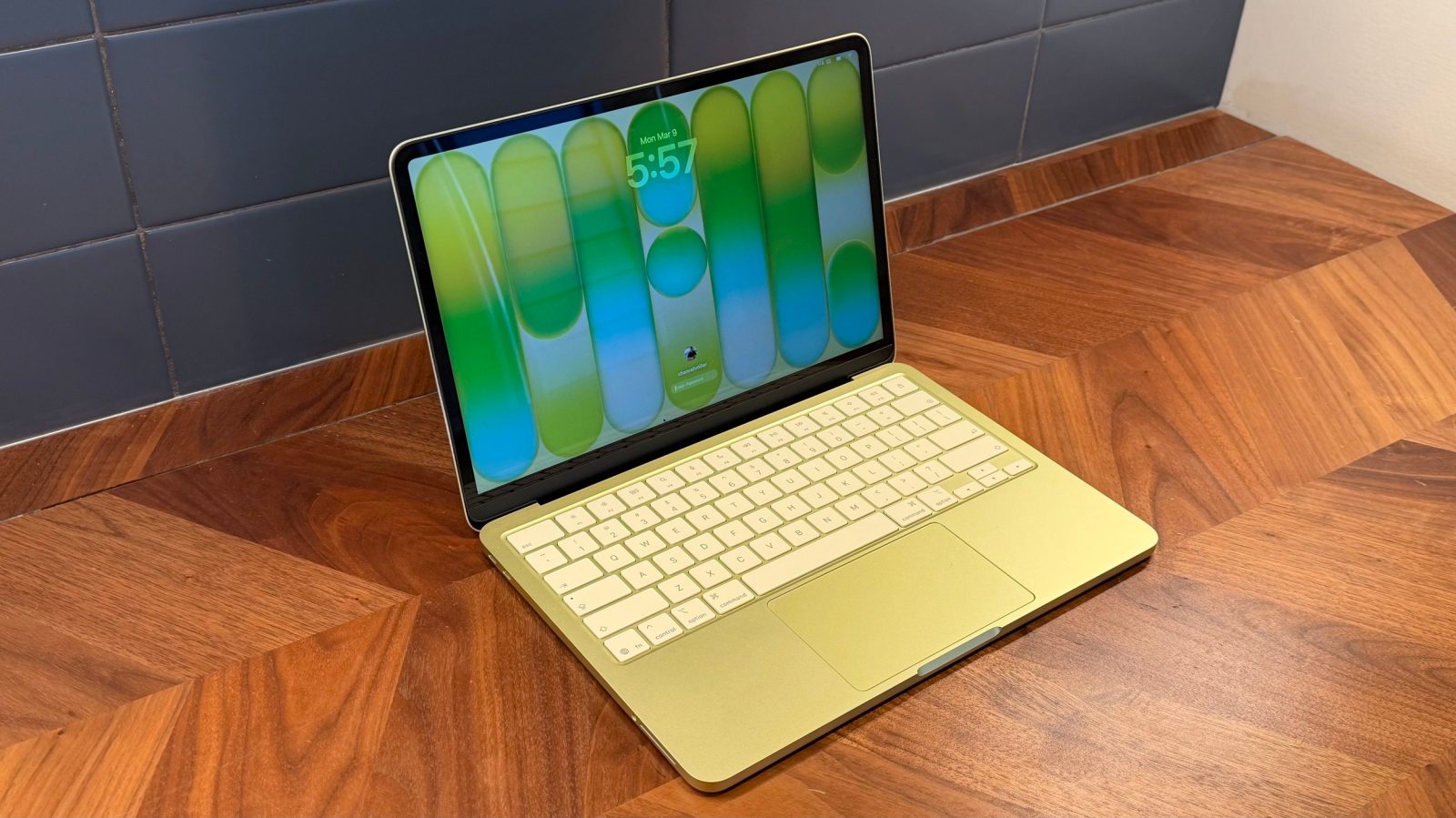
The MacBook Neo boasts a sleek aluminum chassis, maintaining the high build quality synonymous with Apple products. Unlike its predecessors, it features a matte Apple logo and eliminates the display notch, offering a cleaner aesthetic. Available in four vibrant colors—silver, citrus, blush, and indigo—the MacBook Neo adds a touch of personalization to the user experience. Notably, the keyboard is color-matched to the casing, enhancing its visual appeal.
Display and Audio
Equipped with a 13-inch Liquid Retina display, the MacBook Neo delivers a resolution of 2408-by-1506 pixels, 500 nits of brightness, and support for 1 billion colors. This ensures crisp visuals and vibrant colors, making it suitable for both work and entertainment. The device also features stereo speakers that provide clear and immersive audio, enhancing the overall multimedia experience.
Performance and Hardware
At the heart of the MacBook Neo is Apple’s A18 Pro chip, marking the first time an A-series processor, originally designed for iPhones, powers a Mac. This integration results in impressive performance metrics:
– CPU: 6-core system delivering up to 50% faster performance for everyday tasks compared to leading PCs with Intel Core Ultra 5 processors.
– GPU: 5-core system offering up to 3x faster performance for on-device AI workloads and up to 2x faster for tasks like photo editing.
– Neural Engine: 16-core engine supporting fast on-device Apple Intelligence features and everyday AI tasks, ensuring user data remains private and secure.
The MacBook Neo comes with 8GB of unified memory, which, while non-upgradable, is optimized for efficient performance across various applications. Storage options include a base model with 256GB and an upgraded version with 512GB, the latter also featuring Touch ID for enhanced security.
Connectivity and Ports
Addressing previous limitations, the MacBook Neo includes two USB-C ports. The rear port supports USB 3 and DisplayPort, allowing for data transfer speeds up to 10Gb/s and external display connectivity. The second port is limited to USB 2 speeds (up to 480Mb/s) and does not support external displays. This configuration enables users to charge the device while transferring data or connecting to an external monitor. Additionally, the MacBook Neo supports a single external display with up to a 4K resolution at 60Hz.
Battery Life and Portability
Apple claims the MacBook Neo offers up to 16 hours of battery life, making it suitable for all-day use. Weighing approximately 2.7 pounds and measuring 0.50 inches in thickness, it strikes a balance between portability and functionality, making it an ideal companion for students and professionals on the go.
Software and Compatibility
Running on macOS Sequoia, the MacBook Neo provides access to a vast ecosystem of applications and services. However, users should note that compatibility with virtualization software like Parallels Desktop has not been officially confirmed. The A18 Pro chip, being ARM-based and distinct from the M-series, may lack hardware support for virtual machines, potentially limiting the ability to run certain operating systems or applications that rely on virtualization.
Pricing and Availability
The MacBook Neo is available for pre-order starting at $599, with educational pricing at $499. The base model includes 256GB of storage, while the 512GB version, priced at $699, adds Touch ID functionality. This pricing strategy positions the MacBook Neo as a compelling option for those seeking a high-quality laptop without a hefty price tag.
Conclusion
The MacBook Neo represents a significant step in making Apple’s computing experience more accessible. By integrating innovative technologies like the A18 Pro chip and offering a high-quality build at an affordable price, Apple is poised to attract a new wave of users to the Mac ecosystem. While there are some limitations, such as non-upgradable RAM and potential compatibility issues with virtualization software, the MacBook Neo’s overall value proposition is undeniable. It stands as a testament to Apple’s commitment to innovation and inclusivity in technology.