Apple Maintains iPhone 18 Pricing Amidst Rising Memory Costs
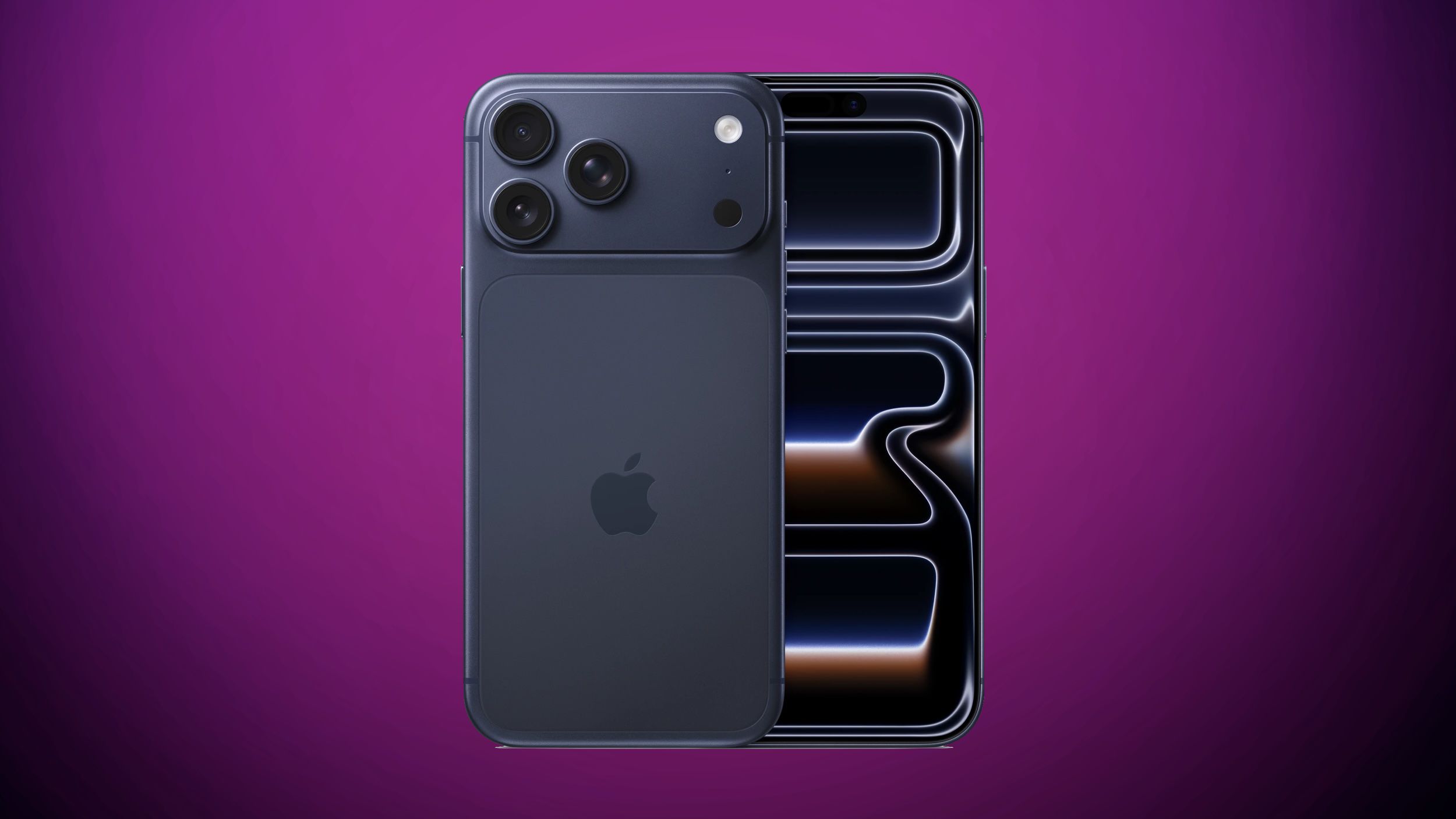
In the face of escalating memory component costs, Apple is set to keep the starting price of its upcoming iPhone 18 steady, demonstrating its commitment to consumer affordability and market competitiveness. This decision comes despite a global surge in DRAM prices, which have risen by an estimated 10 to 25 percent compared to the previous year.
Rising Memory Costs and Apple’s Strategy
The tech industry is currently grappling with significant DRAM shortages, leading to increased costs for smartphone manufacturers. Apple, however, has proactively negotiated with suppliers to secure a stable memory supply. According to renowned Apple analyst Ming-Chi Kuo, the company is leveraging its substantial market influence to absorb these additional expenses without passing them on to consumers.
Kuo elaborates, For most non-AI brands, even if you’re willing to pay up, there’s no guarantee you’ll get the supply. The fact that Apple can lock in a deal like this shows just how much leverage they have.
Impact on Gross Margins and Market Position
While absorbing higher memory costs will affect Apple’s gross margins, the company views this as a strategic move to strengthen its market position. By maintaining consistent pricing, Apple aims to attract a broader customer base and potentially increase its market share. Kuo notes, Higher memory costs will hit iPhone gross margins. But Apple’s playbook is clear: use the market chaos to their advantage—secure the chips, absorb the costs, and grab more market share. They’ll make it back later on the services side.
Historical Context and Pricing Trends
Apple has a history of managing component cost fluctuations without significantly altering product prices. For instance, the base iPhone 17 model retained its starting price of $799, despite industry-wide cost increases. This approach underscores Apple’s dedication to providing value to its customers while navigating the complexities of global supply chains.
Future Outlook and Earnings Call
Apple is expected to address these memory price increases during its upcoming earnings call on January 30, covering the first fiscal quarter of 2026. Stakeholders anticipate insights into how the company plans to manage these challenges while sustaining its pricing strategy.
Conclusion
Apple’s decision to keep the iPhone 18’s starting price unchanged amidst rising memory costs highlights its commitment to consumer satisfaction and market stability. By absorbing additional expenses, Apple not only reinforces its competitive edge but also demonstrates resilience in the face of industry challenges.