Apple’s Liquid Glass: A Bold Step Towards a Unified User Experience
In June 2025, Apple introduced Liquid Glass, a revolutionary design language aimed at unifying the user experience across its diverse product lineup. This innovative approach has since been integrated into iOS 26, iPadOS 26, macOS Tahoe, watchOS 26, and tvOS 26, offering a cohesive and dynamic interface that reflects and refracts its surroundings.
The Essence of Liquid Glass
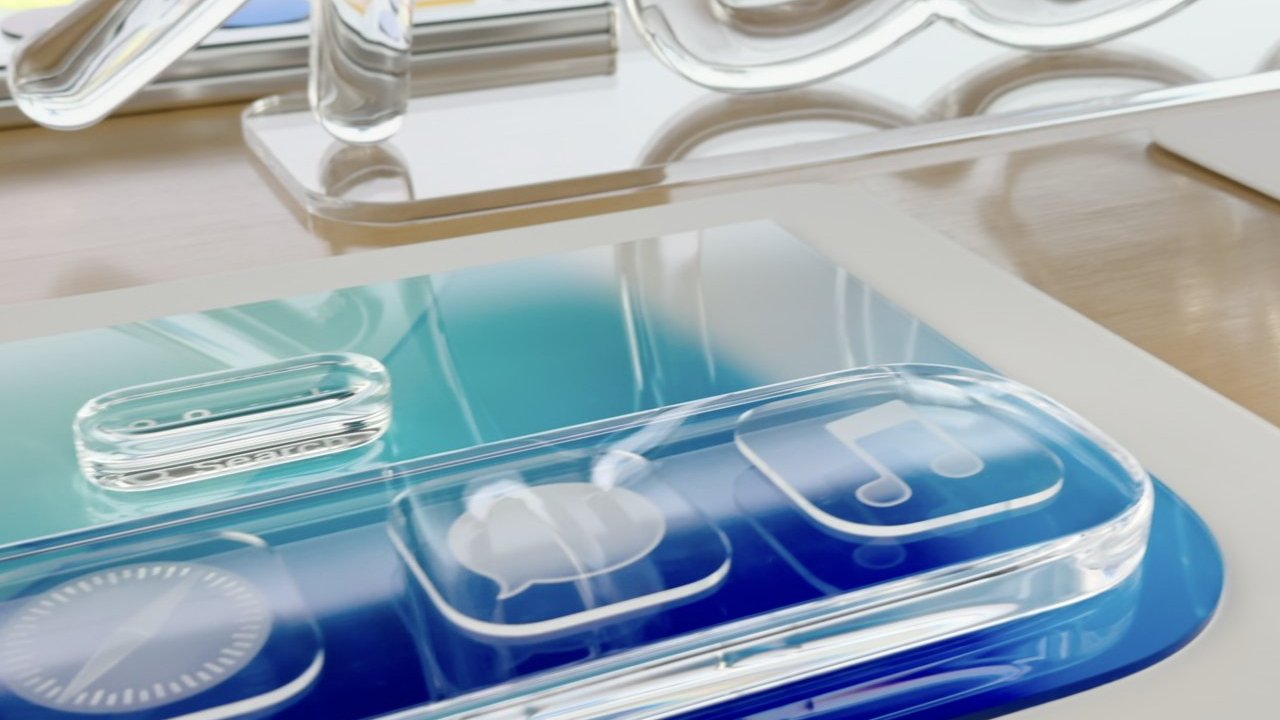
Liquid Glass is characterized by its translucent elements and rounded corners, creating a glass-like aesthetic that dynamically interacts with light and movement. This design philosophy extends to various user interface components, including buttons, switches, and icons, providing a fluid and intuitive user experience. Apple’s goal is to blur the lines between hardware and software, fostering a harmonious interaction across all devices.
Implementation Across Apple Ecosystem
– iOS 26 and iPadOS 26: The Home Screen icons have been redesigned using multiple layers of Liquid Glass, introducing a new Clear mode alongside the existing Light and Dark modes. The Lock Screen clock now adapts to the user’s chosen image, expanding and contracting as needed. ([appleinsider.com](https://appleinsider.com/articles/25/06/09/apples-new-and-sweeping-user-interface-design-is-called-liquid-glass?utm_source=openai))
– macOS Tahoe: The Dock, app icons, and Menu Bar can be made transparent, creating an illusion of a larger display. The operating system also introduces a Clipboard History feature, enhancing productivity. ([appleinsider.com](https://appleinsider.com/articles/25/09/15/macos-tahoe-with-liquid-glass-clipboard-history-and-more-is-now-available?utm_source=openai))
– tvOS 26: The Apple TV interface has been overhauled with the Liquid Glass design, offering a sleek and modern look. However, this redesign is exclusive to the second-generation Apple TV 4K and later models. ([appleinsider.com](https://appleinsider.com/articles/25/06/09/liquid-glass-tvos-redesign-is-restricted-to-second-generation-apple-tv-4k-and-later?utm_source=openai))
– Apple Store App: The application received a design refresh, incorporating the Liquid Glass material and a new icon, aligning it with the modern iOS aesthetic. ([appleinsider.com](https://appleinsider.com/articles/25/11/13/apple-store-app-gets-liquid-glass-overhaul-and-a-new-icon?utm_source=openai))
User Reception and Challenges
While Liquid Glass has been praised for its innovative approach, it has also faced criticism. Some users have reported optical illusions causing disorientation, particularly when using Dark Mode on iOS 26. This issue has led to discussions about the design’s impact on usability and accessibility. ([forums.appleinsider.com](https://forums.appleinsider.com/discussion/241794?utm_source=openai))
Apple’s Vision for the Future
Despite the mixed reactions, Apple remains committed to the Liquid Glass design language. The company envisions a future where hardware and software are seamlessly integrated, providing a unified and intuitive user experience. This commitment is evident in the continuous updates and refinements across all platforms, ensuring that Liquid Glass evolves to meet user needs and expectations.
Conclusion
Apple’s Liquid Glass represents a bold step towards a unified design language across its ecosystem. While it has sparked debate among users, its innovative approach to blending hardware and software signals a clear direction for the future of Apple’s user interfaces. As the design continues to evolve, it will be interesting to see how Apple addresses user feedback and refines the Liquid Glass experience.