Apple’s A18 Pro: A Versatile Powerhouse for MacBook Neo
Apple’s recent unveiling of the MacBook Neo has sparked discussions due to its integration of the A18 Pro chip, traditionally associated with iPhones. This strategic move underscores Apple’s commitment to leveraging its in-house silicon across a broader range of devices, challenging conventional perceptions of device-specific processors.
Understanding the A18 Pro Chip
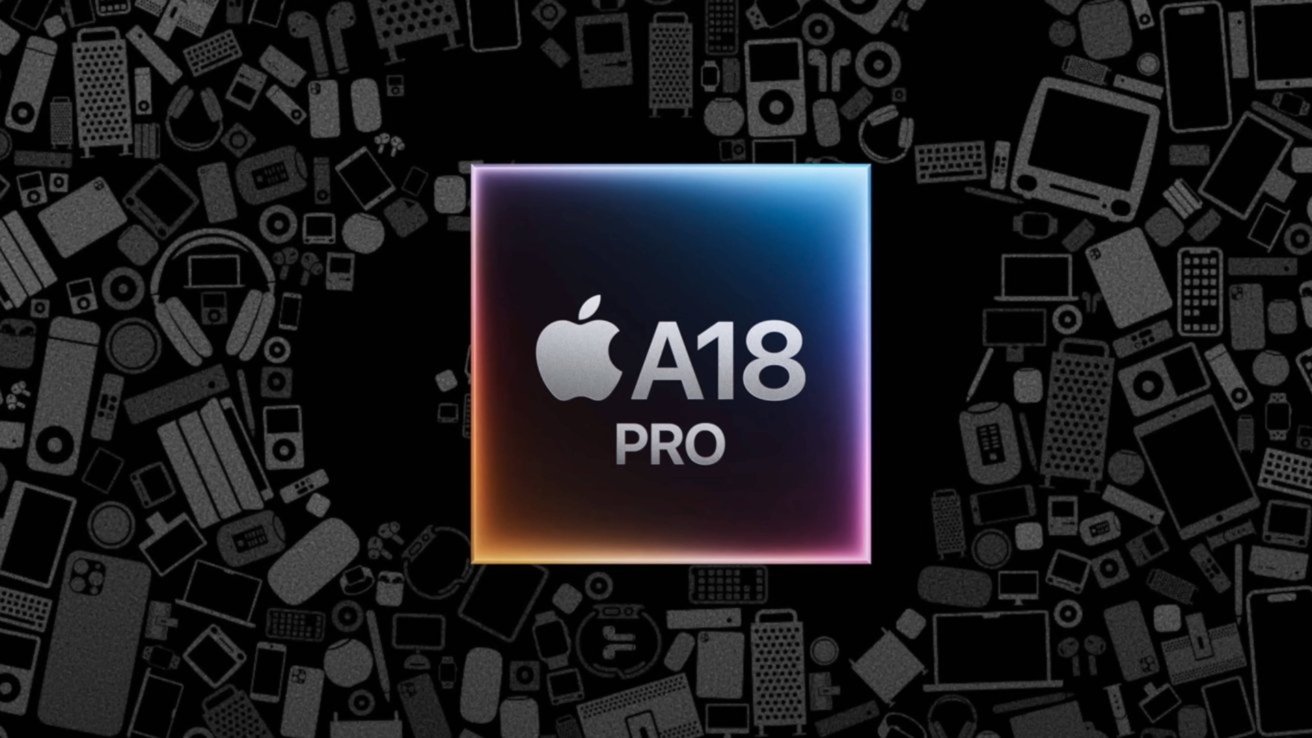
The A18 Pro is a 64-bit ARMv9.2-A six-core CPU, featuring two high-performance cores operating at 4.04 GHz and four energy-efficient cores at 2.42 GHz. It boasts a GPU with up to six cores and a 16-core Neural Processing Unit (NPU). Manufactured using TSMC’s 3nm FinFET process, the A18 Pro measures approximately 105 mm², reflecting Apple’s dedication to enhancing performance while maintaining energy efficiency. ([en.wikipedia.org](https://en.wikipedia.org/wiki/Apple_A18?utm_source=openai))
Performance Metrics: A18 Pro vs. M4
Benchmark comparisons reveal that the A18 Pro holds its own against the M4 chip. In single-core performance, the A18 Pro achieves a Geekbench 6 score of 3,409, while the M4 scores 3,767. In multi-core tests, the A18 Pro scores 8,492 compared to the M4’s 13,295. These figures indicate that while the M4 leads in raw performance, the A18 Pro offers substantial capabilities suitable for a wide range of applications. ([cpu-monkey.com](https://www.cpu-monkey.com/en/compare_cpu-apple_a18_pro-vs-apple_m4_8_cpu?utm_source=openai))
Neural Engine Capabilities
A notable aspect of the A18 Pro is its Neural Engine, capable of performing 38 trillion operations per second (TOPS). This matches the performance of the M4’s Neural Engine, highlighting the A18 Pro’s proficiency in handling AI-driven tasks and machine learning applications. ([phonearena.com](https://www.phonearena.com/news/apple-a18-chipset-more-powerful-neural-engine-than-m4_id159802?utm_source=openai))
Energy Efficiency and Thermal Management
The A18 Pro’s design emphasizes energy efficiency, operating at a Thermal Design Power (TDP) of approximately 8W. This low power consumption translates to longer battery life and reduced heat generation, making it an ideal choice for the MacBook Neo, which prioritizes portability and user comfort. ([cpubenchmark.net](https://www.cpubenchmark.net/compare/6374vs6268/Apple-M4-8–vs-Apple-A18-Pro?utm_source=openai))
Implications for the MacBook Neo
By incorporating the A18 Pro into the MacBook Neo, Apple aims to deliver a device that balances performance with energy efficiency. This integration suggests that the MacBook Neo will cater to users seeking a reliable laptop for everyday tasks, content consumption, and moderate professional applications without the need for the higher performance—and associated costs—of M-series chips.
Conclusion
Apple’s decision to equip the MacBook Neo with the A18 Pro chip reflects a strategic approach to unify its hardware ecosystem. This move not only showcases the versatility of Apple’s silicon but also offers consumers a compelling option that marries performance with efficiency. As the lines between device categories continue to blur, the A18 Pro stands as a testament to Apple’s innovative engineering and forward-thinking design philosophy.