Apple’s Future MacBooks May Feature Advanced Privacy Displays Inspired by Samsung’s Galaxy S26 Ultra
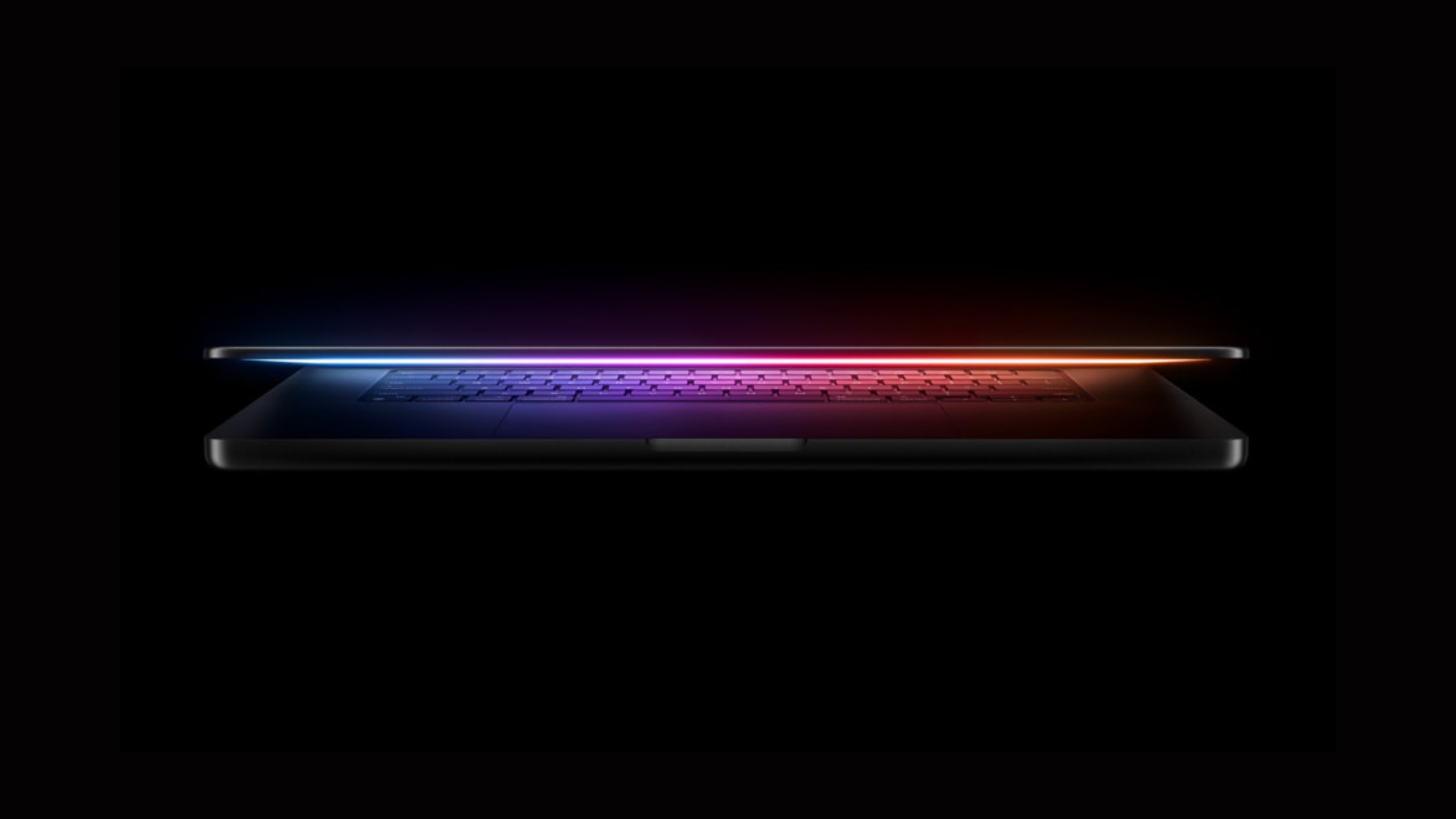
In an era where digital privacy is paramount, Apple is reportedly exploring the integration of advanced privacy display technology into its MacBook lineup. This initiative draws inspiration from Samsung’s forthcoming Galaxy S26 Ultra, which is set to debut with innovative screen features designed to protect user information from prying eyes.
Samsung’s Pioneering Privacy Display Technology
Samsung’s Galaxy S26 Ultra is anticipated to introduce a cutting-edge display that restricts screen visibility from side angles. This means that only individuals directly facing the screen will have a clear view, while those viewing from the sides will see blurred or darkened content. This feature is particularly beneficial in public settings such as cafes, airplanes, and open offices, where sensitive information is often at risk of being inadvertently exposed.
The technology behind this privacy feature combines both hardware and software elements. Central to this is the Flex Magic Pixel display, which manipulates viewing angles to selectively conceal information based on the observer’s position. Users will have the flexibility to:
– Activate privacy mode across the entire screen.
– Limit visibility within specific applications.
– Protect designated portions of the display.
– Instantly disable the feature when sharing content with others.
This approach addresses the limitations of current privacy tools that primarily rely on dimming or blur filters, which can still allow information leakage from certain angles.
Apple’s Interest and Potential Integration
According to insights from market research firm Omdia, as shared by reputable tipster Ice Universe, Apple is considering adopting similar privacy display technology for its MacBook series by 2029. The report suggests that the system utilized in the Galaxy S26 Ultra could be applied to Apple MacBook laptops within this timeframe.
Apple’s potential adoption of this technology aligns with its longstanding commitment to user privacy and security. By integrating such a feature, MacBooks would offer enhanced protection for users handling confidential tasks in public environments. This development could be particularly appealing to professionals, students, and travelers who frequently work in shared spaces.
Current Privacy Solutions for MacBooks
While the integration of built-in privacy displays is on the horizon, current MacBook users have access to several external solutions to safeguard their screen content:
– Kensington UltraThin Magnetic Privacy Screens: These screens attach seamlessly to MacBook frames using magnets, eliminating the need for adhesives. They narrow the viewing angle to +/- 30 degrees, ensuring that only the user directly in front of the screen can view the content. Additionally, they reduce blue light exposure by up to 30% and diminish glare, enhancing visual clarity. The slim design allows the MacBook to close completely and enter sleep mode without removing the screen. ([apple.com](https://www.apple.com/shop/product/hrhh2zm/a/kensington-ultrathin-magnetic-privacy-screen-for-13%E2%80%B3-macbook-air?utm_source=openai))
– Targus Magnetic Privacy Screens: Designed for various MacBook models, these screens offer a 60-degree viewing angle restriction. They attach magnetically, making installation and removal straightforward. The screens also feature anti-reflective coatings to reduce glare and minimize blue light exposure by nearly 40%. ([us.targus.com](https://us.targus.com/products/magnetic-privacy-screen-for-macbook-pro-16-inch-2019-asm16mbp9gl?utm_source=openai))
– 3M™ Bright Screen Privacy Filters: Utilizing Advanced Nanolouver technology, these filters transmit up to 85% of the screen’s light, balancing privacy with brightness and clarity. They provide effective black out privacy from side views outside the 60-degree viewing angle and help reduce blue light without distorting the display’s natural color. ([3m.com](https://www.3m.com/3M/en_US/p/d/v101477066/?utm_source=openai))
Considerations for MacBook Users
Apple advises against closing MacBooks with camera covers or thick screen protectors in place, as this can potentially damage the display due to the minimal clearance between the screen and keyboard. If a camera cover is necessary, it should not exceed 0.1mm in thickness to prevent any harm. ([support.apple.com](https://support.apple.com/en-tj/102177?utm_source=openai))
Looking Ahead
The potential integration of advanced privacy display technology into MacBooks signifies a proactive step by Apple to enhance user privacy in an increasingly interconnected world. While the anticipated timeline suggests a rollout by 2029, the move underscores the tech industry’s recognition of the growing demand for built-in privacy features.
As digital privacy concerns continue to escalate, innovations like these are poised to become standard across devices, offering users greater control over their personal information. For now, MacBook users can rely on existing external privacy solutions to protect their screen content, with the promise of more integrated options in the future.