Apple’s Next-Gen Siri: A Leap into Advanced AI with Google’s Cloud
Apple is reportedly considering a significant transformation in its Siri voice assistant by potentially integrating Google’s cloud infrastructure to power its next-generation chatbot capabilities. This strategic move aims to enhance Siri’s performance, leveraging advanced AI models while maintaining Apple’s commitment to user privacy and control.
Exploring Google’s Cloud for Siri’s Evolution
Traditionally, Apple has relied on its proprietary Private Cloud Compute servers to handle Siri’s operations, ensuring a high level of data privacy and security. However, the increasing complexity and computational demands of modern AI models have prompted Apple to explore external solutions. According to reports, Apple is in discussions with Google to host the future Siri chatbot on Google’s servers equipped with Tensor Processing Units (TPUs). These specialized chips are designed for large-scale AI workloads, offering the processing power necessary for sophisticated language models.
Balancing Innovation with Privacy
The potential shift to Google’s cloud infrastructure raises questions about data privacy—a cornerstone of Apple’s brand identity. Historically, Apple has been cautious about integrating third-party services that could compromise user data security. In this scenario, Apple would likely implement stringent measures to ensure that user data processed on Google’s servers remains encrypted and inaccessible to Google. This approach would aim to preserve the trust users place in Apple’s commitment to privacy.
Phased Implementation Strategy
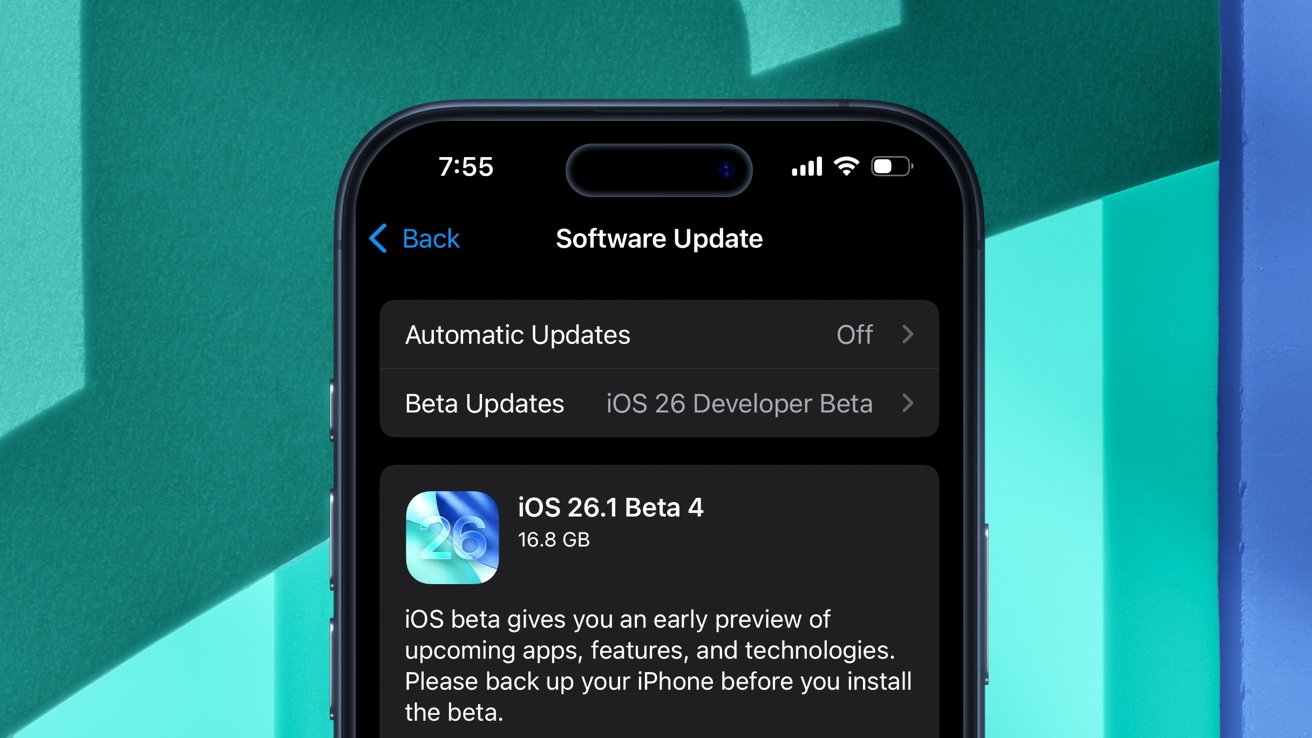
Apple’s strategy appears to involve a phased implementation of these changes. In the immediate future, Siri’s enhancements in iOS 26.4 are expected to continue operating on Apple’s Private Cloud Compute servers. These updates will likely introduce incremental improvements that align with Apple’s existing infrastructure capabilities. The more substantial transformation, involving the integration with Google’s cloud, is anticipated to debut with iOS 27. This version is expected to feature a more advanced Siri chatbot, capable of handling complex queries and providing more nuanced responses.
Implications for Apple’s AI Strategy
This potential collaboration with Google signifies a pragmatic shift in Apple’s AI strategy. By leveraging Google’s advanced AI infrastructure, Apple can accelerate the development and deployment of sophisticated AI features without the immediate need to expand its own cloud capabilities. This move reflects a prioritization of delivering enhanced user experiences over maintaining an exclusively in-house approach to AI development.
Maintaining User Trust
Despite the technical advantages, Apple must navigate the integration carefully to maintain user trust. Ensuring that data processed on external servers is handled securely and that user privacy is uncompromised will be paramount. Transparent communication about how data is managed and the safeguards in place will be essential in addressing any user concerns.
Conclusion
Apple’s consideration of utilizing Google’s cloud infrastructure for the next generation of Siri represents a strategic effort to enhance its AI capabilities. By potentially integrating with Google’s advanced AI hardware, Apple aims to deliver a more responsive and intelligent Siri experience. However, this approach necessitates a careful balance between innovation and the steadfast commitment to user privacy that Apple is known for. As developments unfold, users will be keenly observing how Apple implements these changes while upholding its privacy standards.