Apple’s Potential Leap into Multispectral Imaging for Future iPhones
In the ever-evolving landscape of smartphone technology, Apple is reportedly exploring the integration of multispectral camera sensors into its future iPhone models. This development, highlighted by the reputable Weibo leaker Digital Chat Station, suggests that Apple is evaluating the potential of this advanced imaging technology, though it remains in the preliminary stages without formal testing initiated.
Understanding Multispectral Imaging
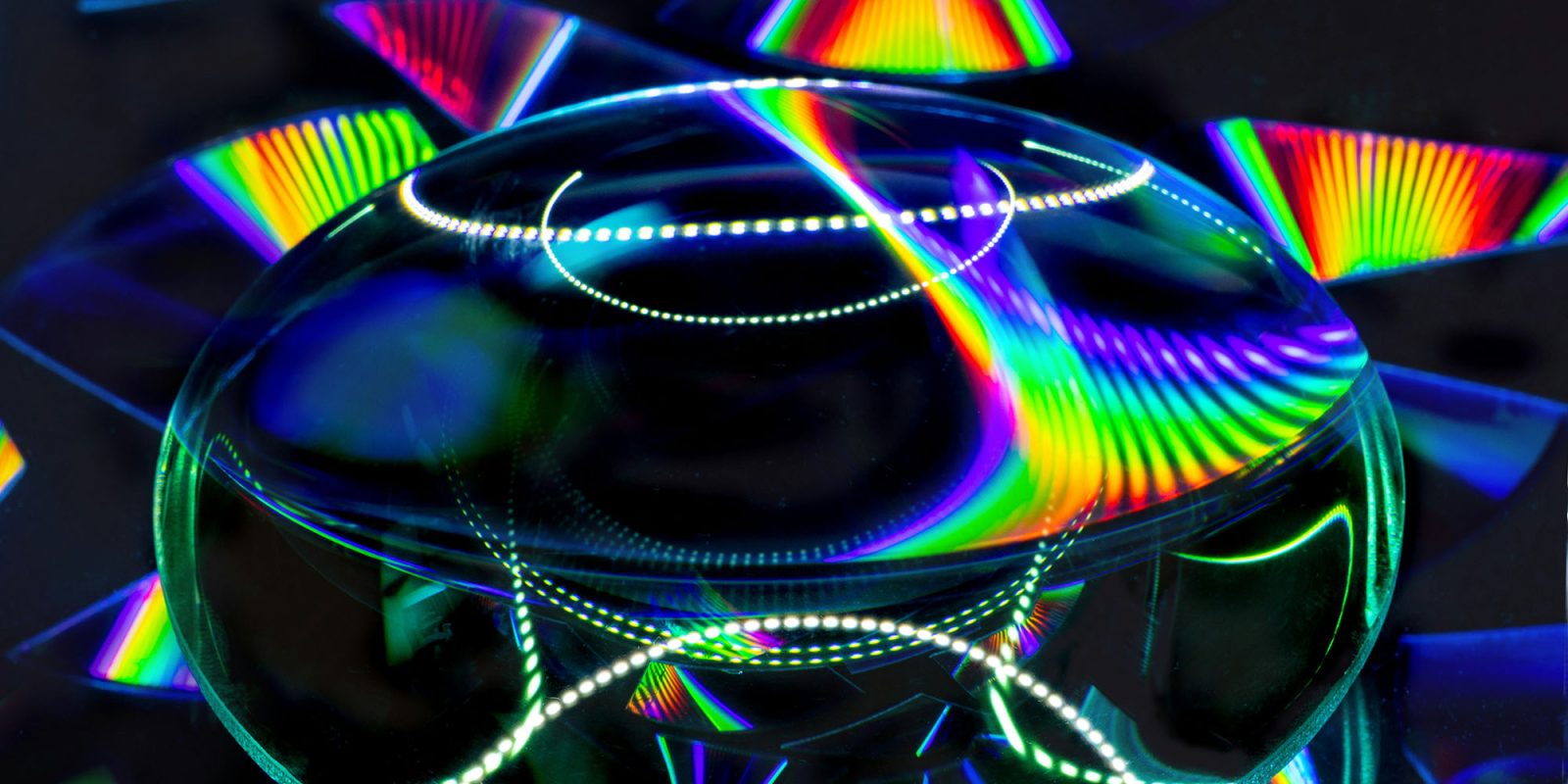
Traditional smartphone cameras operate within the visible light spectrum, capturing images based on red, green, and blue (RGB) wavelengths. Multispectral imaging, however, extends this capability by capturing data across multiple wavelengths, including those beyond the visible spectrum, such as infrared and ultraviolet. This approach allows for a more comprehensive analysis of the captured scene, revealing details that are invisible to the naked eye.
Applications and Potential Benefits
Multispectral cameras have been predominantly utilized in military and industrial sectors. In military applications, they assist in target identification and surveillance. Industrially, they play a crucial role in quality control processes, agricultural monitoring, and environmental assessments. For instance, in agriculture, multispectral imaging can assess plant health by detecting stress indicators not visible in standard imaging.
Incorporating multispectral sensors into consumer devices like smartphones could revolutionize mobile photography. Potential benefits include:
– Enhanced Color Accuracy: By analyzing a broader spectrum of light, multispectral cameras can produce images with more precise color representation.
– Improved Low-Light Performance: Capturing infrared light can enhance image quality in low-light conditions, providing clearer and more detailed photos.
– Advanced Health Monitoring: Multispectral imaging could enable features like skin analysis, detecting issues such as sun damage or hydration levels.
– Augmented Reality (AR) Enhancements: More accurate environmental mapping could improve AR applications, offering more immersive experiences.
Precedents in the Smartphone Industry
Apple is not the first to consider multispectral imaging in smartphones. Huawei has previously integrated this technology into some of its models, aiming to enhance color accuracy and low-light performance. However, the results did not significantly outperform existing technologies, leading to limited adoption in the consumer market.
Challenges and Considerations
While the potential advantages are compelling, several challenges must be addressed:
– Cost and Complexity: Integrating multispectral sensors can increase production costs and device complexity.
– Processing Requirements: Analyzing multispectral data requires substantial processing power, which could impact device performance and battery life.
– User Relevance: Determining practical applications that resonate with everyday users is crucial for the successful adoption of this technology.
Apple’s Strategic Evaluation
Apple’s interest in multispectral imaging aligns with its history of adopting and refining emerging technologies to enhance user experience. The company’s evaluation process involves rigorous testing and consideration of how such features can be seamlessly integrated into their ecosystem.
Conclusion
The exploration of multispectral camera sensors signifies Apple’s commitment to pushing the boundaries of smartphone photography. While the technology holds promise for enhancing image quality and introducing new functionalities, its implementation in future iPhone models will depend on overcoming technical challenges and ensuring that the benefits align with user needs and expectations.