Apple Introduces New iPhone and iPad Feature to Enhance User Privacy by Limiting Precise Location Sharing with Cell Networks
In a significant move to bolster user privacy, Apple has unveiled a new security feature for select iPhone and iPad models that restricts the precision of location data shared with cellular networks. This development aims to make it more challenging for entities such as law enforcement agencies, intelligence services, and cybercriminals to access individuals’ exact whereabouts through their mobile service providers.
Understanding the New Feature
When activated, this feature ensures that iPhones and cellular-enabled iPads transmit only approximate location data to the user’s cell carrier. Instead of providing a specific street address, the device will share a broader location, such as the general neighborhood. Apple asserts that this approach enhances user privacy without compromising the functionality of location-based services.
Importantly, enabling this feature does not affect the accuracy of location data shared with applications or during emergency calls to first responders. Users can thus maintain the benefits of precise location services where they are most critical.
Device Compatibility and Carrier Support
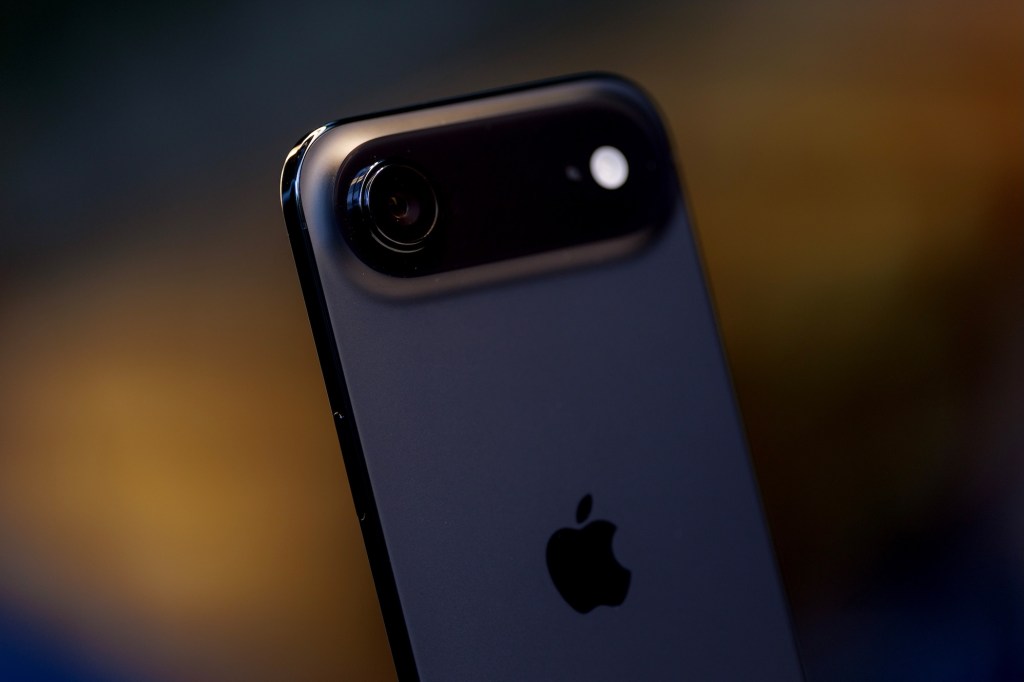
The Limit Precise Location feature is available on the following devices running iOS 26.3:
– iPhone Air
– iPhone 16e
– iPad Pro (M5) Wi-Fi + Cellular
Currently, this feature is supported by a select group of global carriers, including:
– Telekom in Germany
– AIS and True in Thailand
– EE and BT in the United Kingdom
– Boost Mobile in the United States
Apple has not provided a specific rationale for introducing this feature at this time, and company representatives have declined to comment further.
Contextualizing the Privacy Enhancement
This initiative comes amid growing concerns over the accessibility of location data by various entities. Law enforcement agencies increasingly request location information from cell carriers to track individuals in real-time or to review their movements over specific periods. Additionally, cyberattacks targeting cell carriers have escalated, with hackers seeking sensitive customer data. Notably, major U.S. telecommunications companies like AT&T and Verizon have reported persistent intrusions by state-sponsored hackers aiming to obtain call logs and messages from high-ranking officials.
Beyond these immediate threats, longstanding vulnerabilities in global cellular networks have enabled surveillance vendors to monitor individuals’ location data worldwide. While telecom operators can estimate a device’s approximate location, the device itself contributes to providing precise location data back to the carrier.
Expert Insights
Gary Miller, a mobile security expert affiliated with Citizen Lab and senior director of network intelligence at iVerify, highlights a common misconception: Most people aren’t aware that devices can send location data outside of just apps. While [the devices] can limit GPS disclosure at the app level, they haven’t been able to lock down precise location disclosure to the network.
Miller views Apple’s new feature as a positive development: Apple’s feature, while limited to very few operator networks, is a step in the right direction in providing users with greater privacy controls.
Historical Perspective on Apple’s Privacy Measures
Apple’s commitment to user privacy is not new. Over the years, the company has introduced several features aimed at enhancing data protection:
– iOS 12 (2018): Apple integrated technology to automatically share a user’s location with 911 centers during emergency calls, ensuring faster response times. The company emphasized that this data would be used solely for emergencies and could not be shared for non-emergency purposes.
– iOS 13 (2019): Apple introduced a just once option for app location access, allowing users to grant temporary location permissions to apps, thereby preventing continuous tracking without explicit consent.
– Lockdown Mode (2022): Designed as an extreme protection feature, Lockdown Mode restricts certain device functionalities to reduce the risk of sophisticated cyberattacks, particularly targeting high-profile individuals like journalists and human rights defenders.
Implications for Users and the Industry
Apple’s latest feature reflects a broader industry trend toward enhancing user privacy and data security. By limiting the precision of location data shared with cell networks, Apple aims to reduce the potential misuse of such information. This move may prompt other tech companies and service providers to adopt similar measures, fostering a more privacy-centric approach across the industry.
For users, this feature offers an additional layer of control over personal data. However, its effectiveness depends on user awareness and activation. As with any privacy feature, its adoption will likely vary based on individual preferences and the perceived importance of location privacy.
Conclusion
Apple’s introduction of the Limit Precise Location feature underscores the company’s ongoing commitment to user privacy. By restricting the granularity of location data shared with cellular networks, Apple aims to mitigate potential risks associated with unauthorized access to sensitive information. As digital privacy concerns continue to evolve, such initiatives play a crucial role in empowering users to safeguard their personal data.