Apple’s Strategic Shift: Elevating iPhone 18 Pro with Advanced Camera Hardware and Pro-Level Software
Apple is poised to revolutionize smartphone photography with the upcoming iPhone 18 Pro, integrating cutting-edge hardware enhancements and professional-grade software capabilities. This strategic move underscores Apple’s commitment to delivering a comprehensive photography experience that rivals traditional cameras.
Advanced Camera Hardware Innovations
The iPhone 18 Pro is anticipated to feature a variable aperture system in its main camera, a first for Apple’s smartphone lineup. This technology allows the camera to adjust the lens opening, optimizing light intake based on environmental conditions. In low-light scenarios, a wider aperture can enhance brightness and detail, while in well-lit settings, a narrower aperture prevents overexposure and increases depth of field. This advancement offers users greater creative control over their photography, aligning the iPhone 18 Pro more closely with professional DSLR cameras. ([macrumors.com](https://www.macrumors.com/2024/12/23/iphone-18-pro-rumored-camera-upgrade/?utm_source=openai))
Complementing the variable aperture, the iPhone 18 Pro is rumored to include a 24-megapixel front-facing camera. This upgrade from the previous 18-megapixel sensor aims to deliver sharper selfies and improved video call quality. The increased resolution is expected to enhance portrait shots and low-light performance, providing users with superior image quality across various applications. ([gizmochina.com](https://www.gizmochina.com/2026/02/23/iphone-18-pro-could-get-another-selfie-camera-upgrade-in-2026/?utm_source=openai))
Integration of Professional-Grade Software
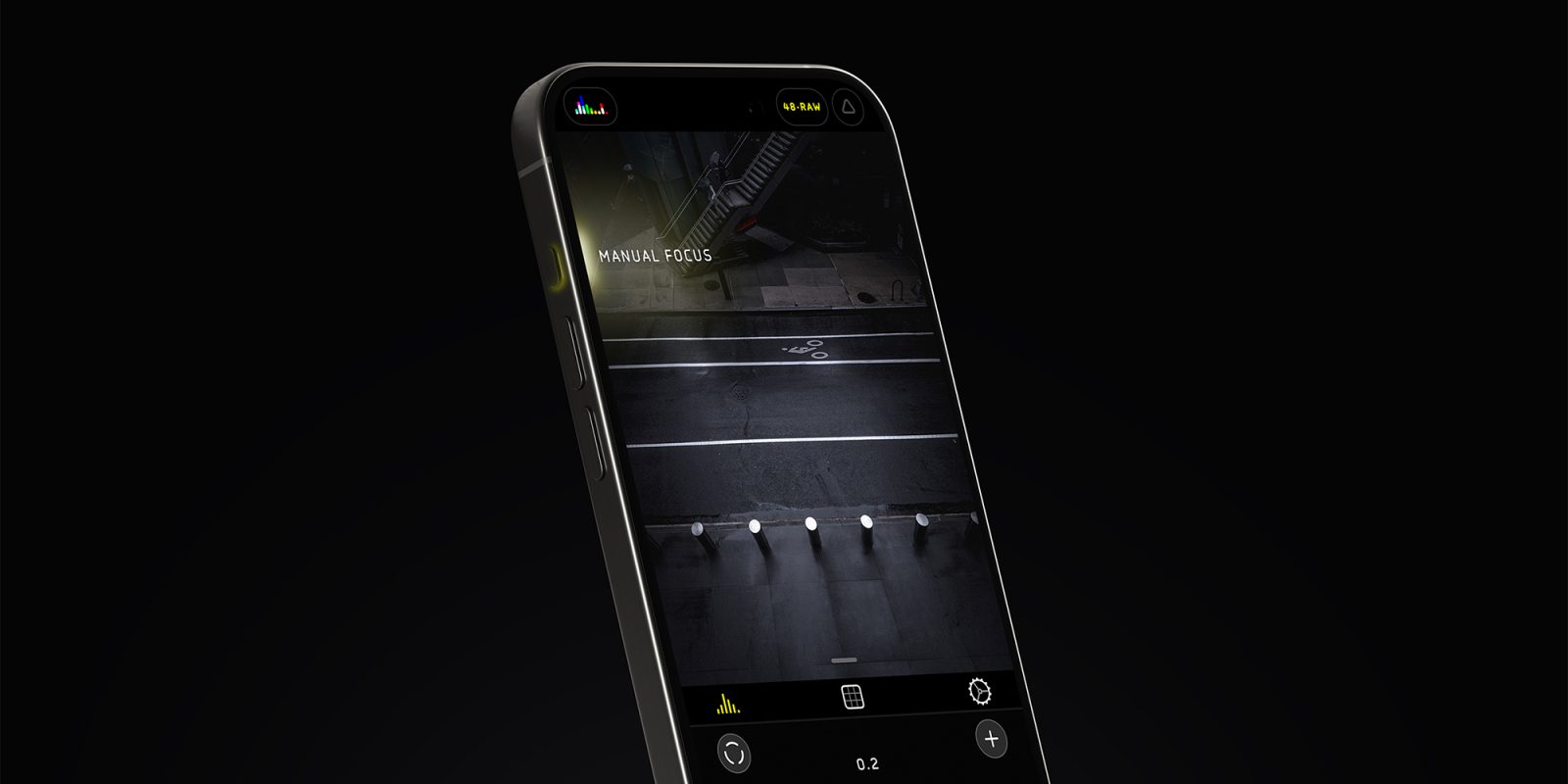
In addition to hardware advancements, Apple is focusing on enhancing its native camera software to offer more professional features. Reports indicate that Apple considered acquiring Lux Optics, the developer behind the acclaimed Halide camera app, to accelerate this initiative. Halide is renowned for providing precise manual controls over camera settings, appealing to photography enthusiasts seeking DSLR-like functionality on their smartphones.
Although the acquisition did not materialize, Apple successfully recruited Sebastiaan de With, co-founder and designer at Lux Optics, to join its design team. De With’s expertise is expected to influence the development of Apple’s camera software, potentially introducing advanced features such as manual focus, exposure adjustments, and RAW image capture. These enhancements aim to provide users with greater control over their photography, bridging the gap between smartphone and professional photography experiences. ([appleinsider.com](https://appleinsider.com/articles/26/01/28/pro-camera-app-halide-developer-sebastiaan-de-with-returning-to-apple-for-design-team?utm_source=openai))
Implications for the Photography Landscape
Apple’s concerted efforts to integrate sophisticated hardware and software into the iPhone 18 Pro signify a strategic push to position the device as a formidable tool for both amateur and professional photographers. By offering features traditionally reserved for high-end cameras, Apple is challenging the boundaries of smartphone photography and setting new industry standards.
The introduction of a variable aperture system and a high-resolution front camera, combined with professional-grade software capabilities, reflects Apple’s dedication to innovation and user-centric design. These developments are poised to enhance the creative potential of iPhone users, enabling them to capture high-quality images with unprecedented ease and flexibility.
As the smartphone market continues to evolve, Apple’s integration of advanced photography features into the iPhone 18 Pro underscores the company’s commitment to delivering a holistic and immersive user experience. This approach not only caters to the growing demands of photography enthusiasts but also reinforces Apple’s position as a leader in technological innovation.