Apple Enhances Health App with Expanded Sleep and Vitals Data in iOS 26.4
Apple’s latest iOS 26.4 update introduces significant enhancements to the Health app, focusing on sleep tracking and vital signs monitoring. These updates aim to provide users with a more comprehensive understanding of their health metrics.
Integration of Blood Oxygen Data into Vitals
In January 2024, Apple temporarily removed the Blood Oxygen feature from the Apple Watch due to a patent dispute with Masimo, a health technology company. By August 2025, Apple reintroduced a redesigned version of this feature, allowing users to measure their blood oxygen levels via the Apple Watch and view the results on their iPhone. However, these readings were not integrated into the Vitals section of the Health app, requiring users to access them separately.
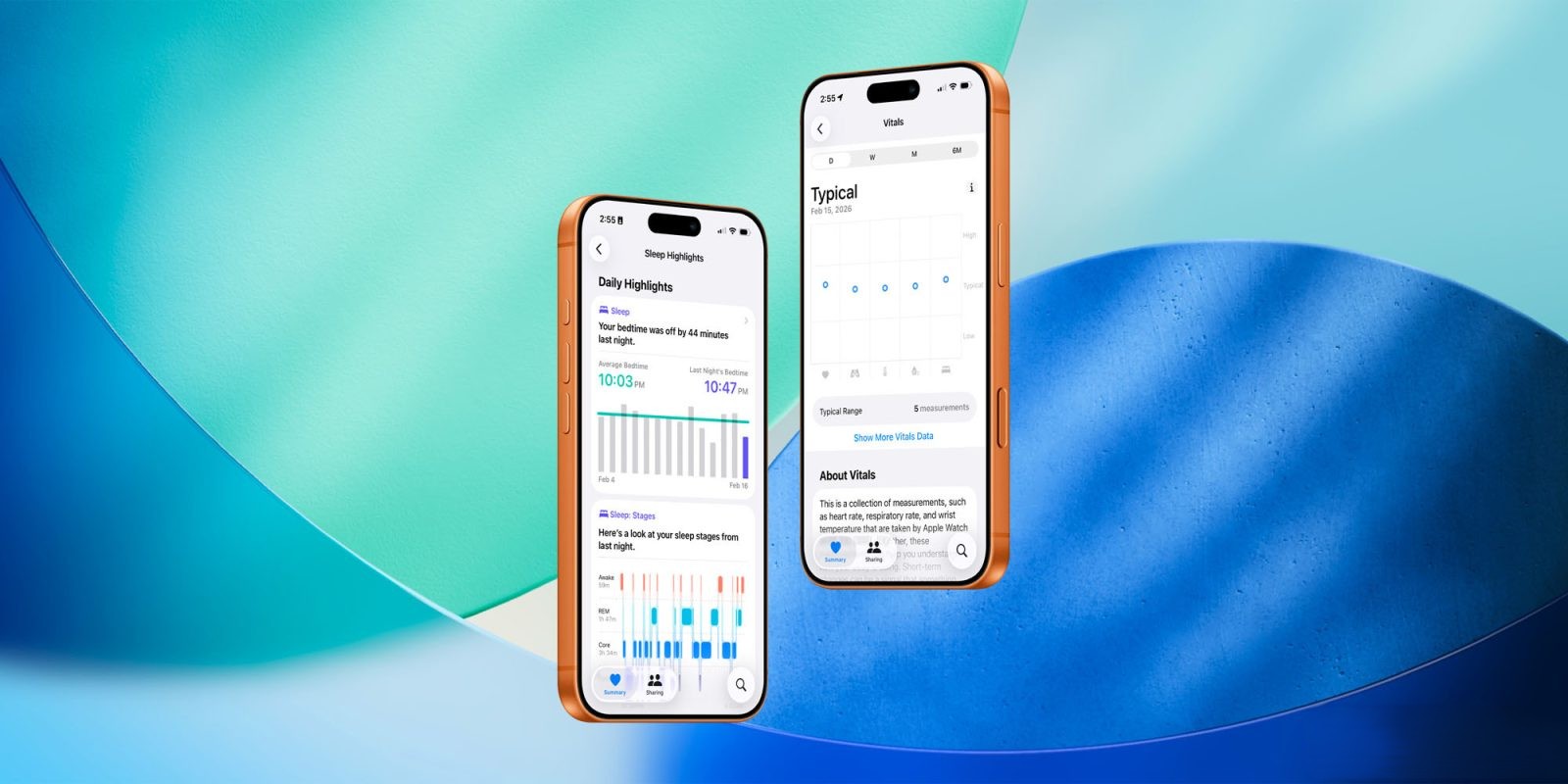
With the release of iOS 26.4, Apple has reintegrated Blood Oxygen readings into the Vitals graph within the Health app. This integration enables users to view five key health metrics—heart rate, respiratory rate, wrist temperature, blood oxygen levels, and sleep duration—on a unified graph. This consolidated view offers a more holistic perspective on one’s health, facilitating easier monitoring and analysis of vital signs.
Enhanced Sleep Tracking Features
Sleep tracking has been a focal point for Apple, with continuous improvements aimed at providing users with detailed insights into their sleep patterns. The introduction of the Sleep Score feature in watchOS 26 allowed users to receive a numerical assessment of their sleep quality, considering factors such as duration, consistency, and interruptions. This feature was developed based on extensive sleep data and guidelines from reputable sleep organizations.
Building upon this foundation, iOS 26.4 introduces a new sleep metric in the Health app: a two-week bedtime analysis. This feature presents users with their average bedtime over the past fourteen days, alongside the bedtime from the previous night. By comparing these figures, users can identify patterns and make informed decisions to improve their sleep habits.
Broader Implications for Health Monitoring
The integration of Blood Oxygen data into the Vitals graph and the addition of the two-week bedtime analysis reflect Apple’s commitment to enhancing health monitoring capabilities. By providing users with comprehensive and easily accessible health data, Apple empowers individuals to take proactive steps toward better health management.
These updates also underscore the importance of continuous health monitoring. Regular tracking of vital signs and sleep patterns can aid in the early detection of potential health issues, allowing for timely interventions. For instance, consistent monitoring of blood oxygen levels can be crucial for individuals with respiratory conditions, while understanding sleep patterns can help address issues like insomnia or sleep apnea.
User Experience and Accessibility
Apple’s focus on user-friendly interfaces ensures that these new features are accessible to a broad audience. The Health app’s intuitive design allows users to navigate through various health metrics effortlessly. The integration of multiple vital signs into a single graph simplifies the process of health monitoring, making it less daunting for users who may not have a medical background.
Moreover, the two-week bedtime analysis provides actionable insights without overwhelming the user with excessive data. By highlighting trends and offering comparisons, the feature encourages users to make gradual adjustments to their routines, promoting sustainable improvements in sleep health.
Future Prospects
As Apple continues to innovate in the health technology space, future updates may introduce additional metrics and features aimed at providing even deeper insights into users’ health. Potential areas of expansion could include stress monitoring, hydration tracking, and more advanced sleep analysis.
Furthermore, the integration of artificial intelligence and machine learning could enhance the predictive capabilities of the Health app, offering personalized recommendations based on individual health data. Such advancements would further solidify Apple’s position as a leader in consumer health technology.
Conclusion
The iOS 26.4 update marks a significant step forward in personal health monitoring by integrating Blood Oxygen data into the Vitals graph and introducing a two-week bedtime analysis. These enhancements provide users with a more comprehensive and accessible view of their health metrics, empowering them to make informed decisions and adopt healthier lifestyles. As technology continues to evolve, such innovations pave the way for more proactive and personalized health management solutions.