Embracing Apple’s New Design Era: A Fresh Perspective on Innovation
Apple’s design philosophy has long been a beacon of innovation, setting trends and redefining user experiences. The recent departure of Alan Dye, Apple’s Vice President of Human Interface Design, marks a significant shift in the company’s design trajectory. While Dye’s tenure introduced the Liquid Glass aesthetic, his exit paves the way for a new era under the leadership of Stephen Lemay, a seasoned Apple design veteran.
The Liquid Glass Era: A Retrospective
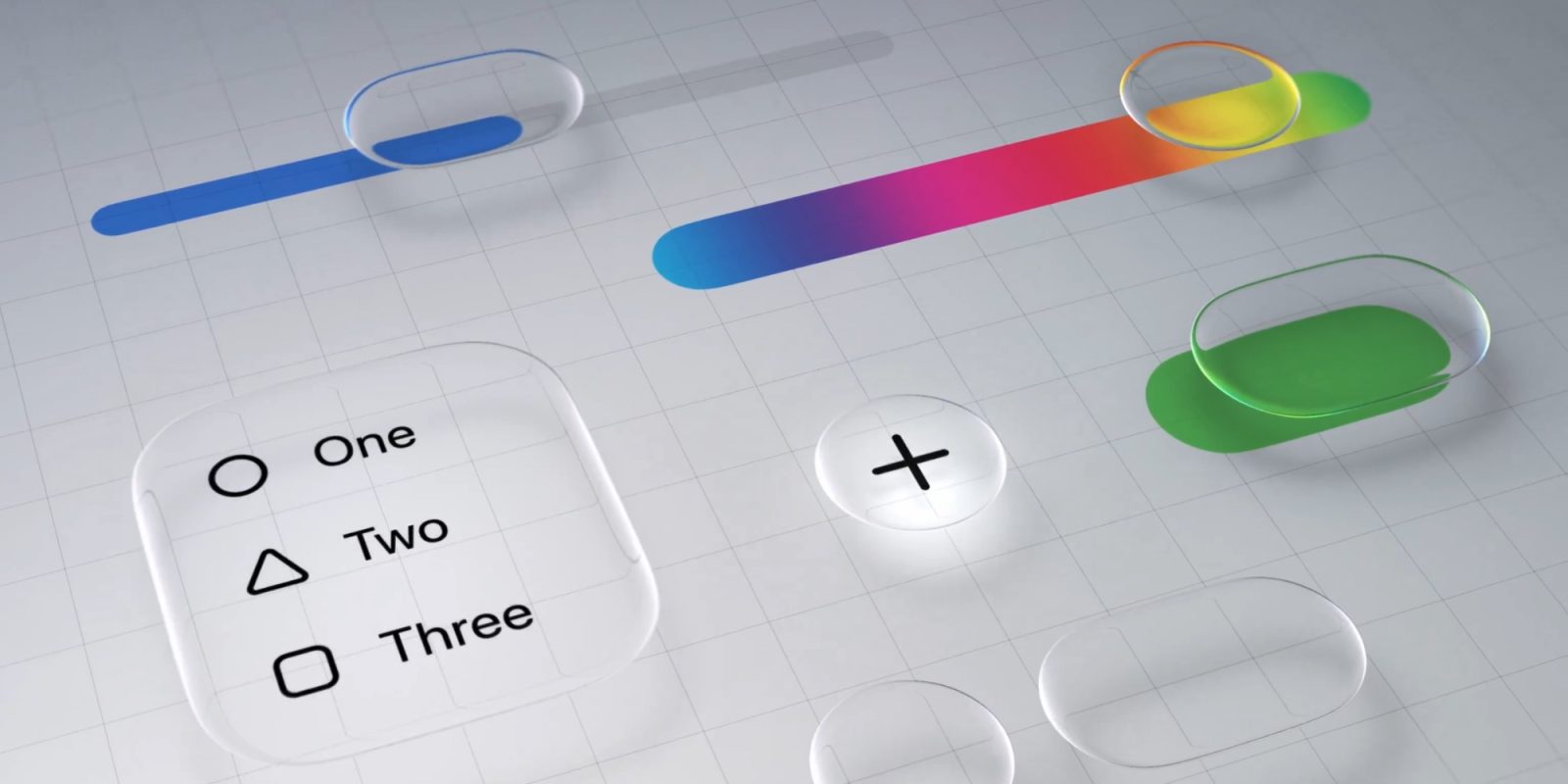
Introduced with iOS 26, the Liquid Glass design language was a bold departure from previous interfaces. Characterized by its glossy, translucent elements and a more rounded aesthetic, it aimed to provide a fresh and immersive user experience. However, this design overhaul was met with mixed reactions. While some appreciated the modernized look, others criticized it for lacking the meticulous attention to detail that Apple was renowned for.
Critics pointed out inconsistencies and usability issues within the Liquid Glass interface. The initial releases of iOS 26, for instance, faced backlash for design choices that seemed to prioritize form over function. These critiques highlighted a perceived departure from Apple’s commitment to intuitive and user-friendly design.
Alan Dye’s Departure: A Turning Point
Alan Dye’s move to Meta was announced with considerable fanfare. However, the response from the Apple community was less than enthusiastic. Many saw his departure as an opportunity for Apple to realign its design principles. The sentiment within Apple was reportedly one of relief, with insiders expressing optimism about the future direction of the company’s design language.
Dye’s farewell message, which included a quote from Steve Jobs, was perceived by some as tone-deaf, especially given the controversies surrounding the Liquid Glass design. This further fueled discussions about the need for a renewed focus on design excellence at Apple.
Stephen Lemay: Steering the Ship Forward
With over two decades at Apple, Stephen Lemay’s appointment as the new head of Human Interface Design signals a return to the company’s core design values. Lemay has been instrumental in shaping the user interfaces of iconic products, including the iPhone X’s gestural navigation and the Dynamic Island feature. His deep understanding of Apple’s design ethos positions him well to lead the company into its next chapter.
Lemay’s vision is expected to emphasize consistency, usability, and a seamless integration of hardware and software. This approach aims to address the criticisms faced during the Liquid Glass era and restore confidence in Apple’s design leadership.
Looking Ahead: The Future of Apple’s Design
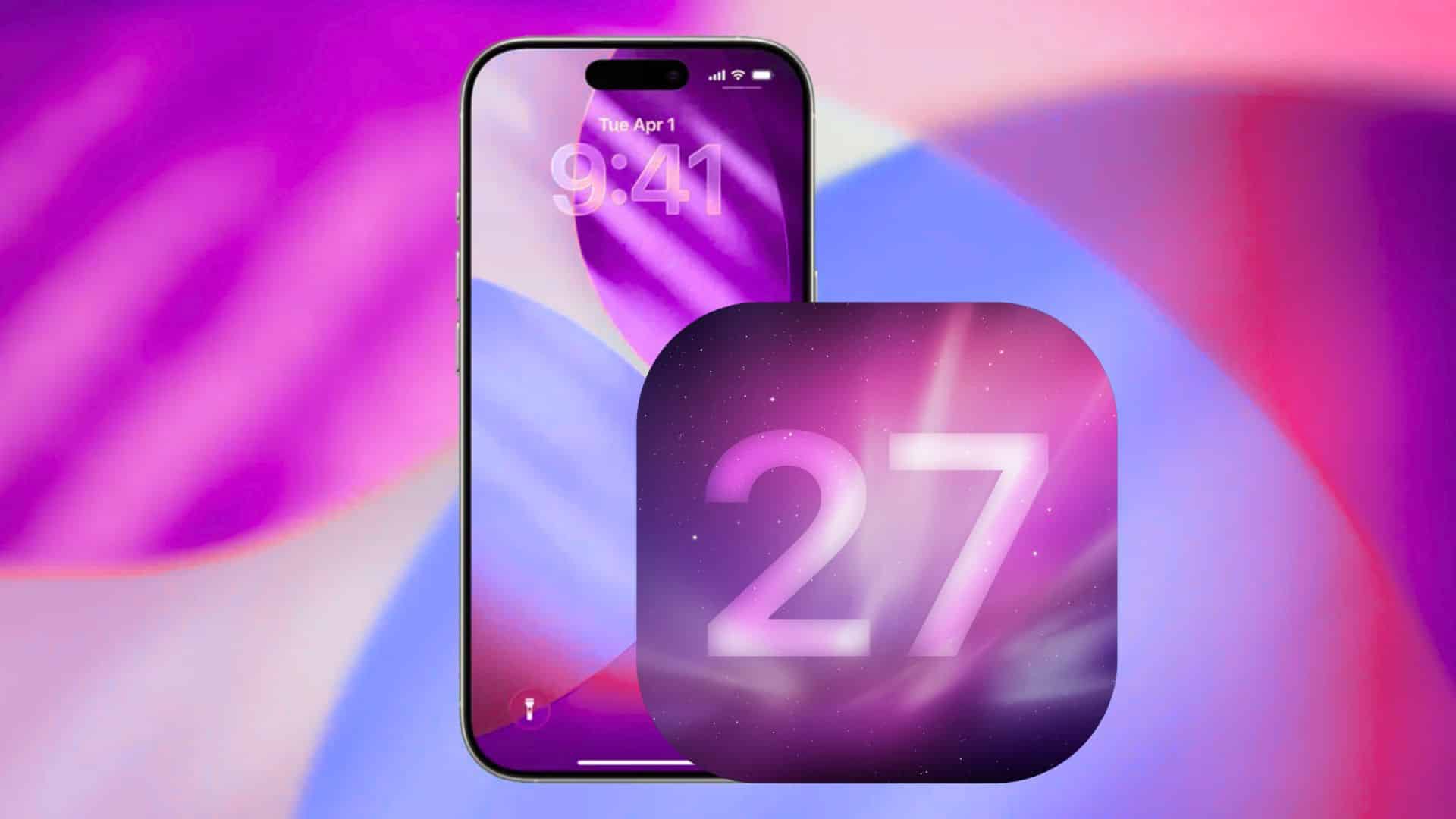
The transition in leadership comes at a pivotal time for Apple. The company is reportedly planning significant design overhauls across its product lineup. iOS 19, for instance, is anticipated to introduce one of the most dramatic software redesigns in Apple’s history, drawing inspiration from visionOS to create a more cohesive and intuitive user experience.
Similarly, macOS 16 is expected to undergo substantial changes, marking the most significant upgrade since macOS Big Sur. These updates aim to unify the design language across Apple’s platforms, ensuring a consistent and harmonious user experience.
The upcoming iPhone 17 Air is also generating excitement. With its ultra-thin design, it represents a departure from recent models and signals a renewed focus on sleek and innovative hardware design. This shift is seen as a response to consumer demand for more visually distinctive and forward-thinking products.
Embracing Change: A Personal Perspective
As someone who appreciated the ambition behind the Liquid Glass design, I recognize the importance of evolution in design philosophy. The forthcoming changes under Stephen Lemay’s leadership offer an opportunity to blend innovation with the attention to detail that has been a hallmark of Apple’s success.
The design community and Apple enthusiasts alike are eager to see how this new era unfolds. The focus on consistency, usability, and a seamless integration of hardware and software is a promising direction that could redefine user experiences across Apple’s ecosystem.
Conclusion
The departure of Alan Dye and the appointment of Stephen Lemay mark a significant moment in Apple’s design journey. While the Liquid Glass era brought bold changes, the future promises a return to the principles that have long defined Apple’s design excellence. As we look ahead, there is a collective anticipation for products that not only push the boundaries of innovation but also uphold the meticulous attention to detail that users have come to expect.