Apple Integrates M5 Chips into Private Cloud Compute Servers to Enhance Apple Intelligence
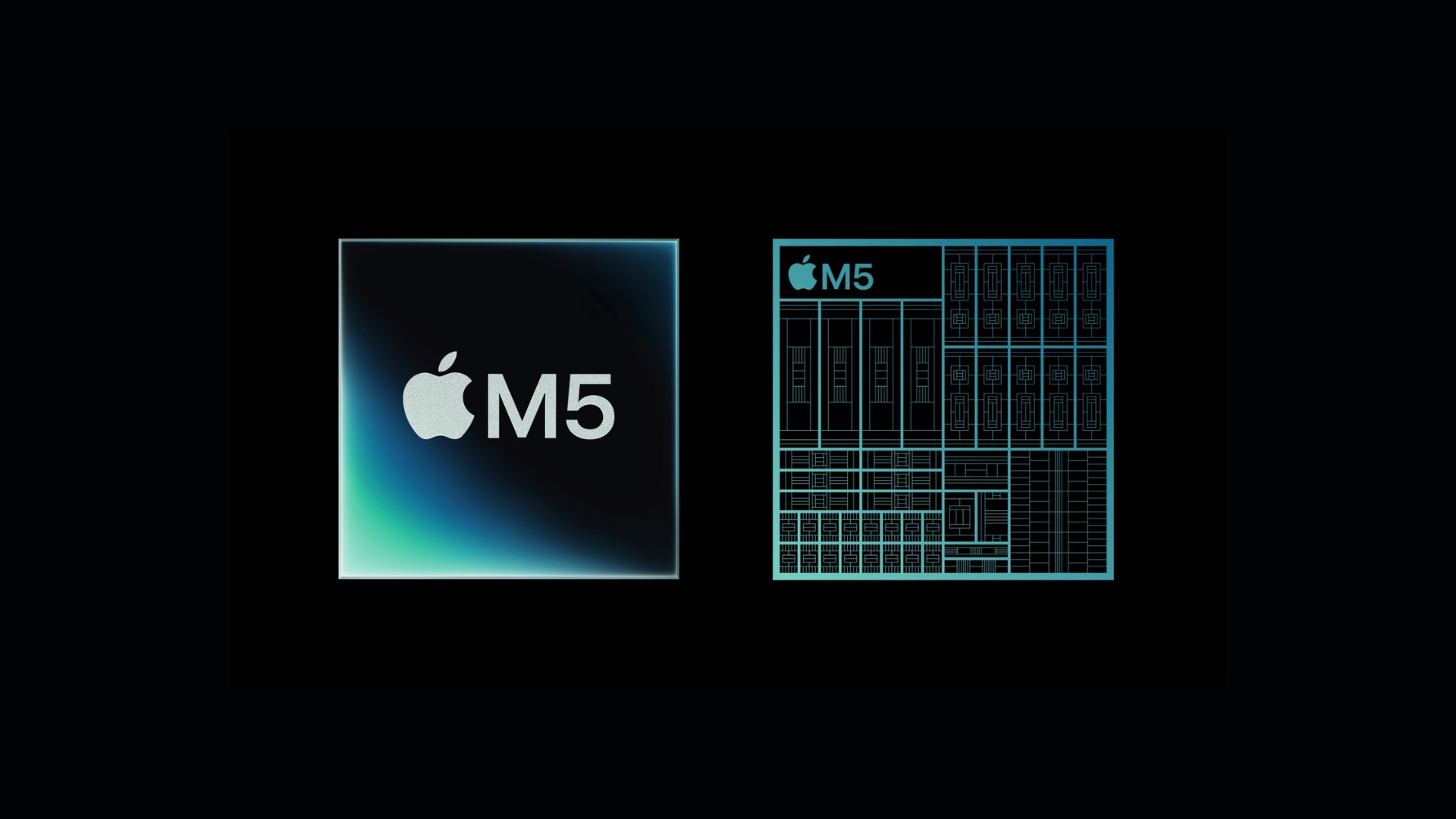
Apple has initiated the deployment of its advanced M5 chips within its Private Cloud Compute (PCC) servers, marking a significant evolution in the infrastructure that supports Apple Intelligence. This strategic upgrade underscores Apple’s commitment to managing more complex artificial intelligence (AI) workloads and delivering sophisticated assistant functionalities that necessitate secure, remote processing capabilities beyond on-device operations.
Introduction of Private Cloud Compute Agent Worker
In tandem with the hardware enhancement, Apple has introduced a novel component named the Private Cloud Compute Agent Worker. This element operates on a specialized version of iOS, architected to efficiently handle AI tasks through an agent-based framework. The integration of code within iOS 26.4 that interfaces with this system indicates a seamless alignment between forthcoming features and this backend transformation.
Transition to M5 Chips: A Strategic Shift
Historically, Apple utilized M2 Ultra chips within its PCC servers, even as newer chip generations became available. Although there were considerations to transition to M4 hardware, this shift did not materialize extensively. The direct advancement to M5 chips suggests that Apple strategically awaited a substantial leap in performance and efficiency before overhauling its AI infrastructure.
Collaboration with Google and Future Prospects
Apple’s recent collaboration with Google to incorporate Gemini models for specific assistant functionalities necessitates robust server hardware capable of managing hybrid processing between Apple’s systems and external models. Additionally, Apple is in the process of designing dedicated AI server processors, with mass production anticipated to commence in the latter half of 2026 and deployment slated for 2027. This timeline indicates that the current M5 chip integration serves as an interim measure preceding the introduction of fully customized data center silicon.
Enhancing Research and Security Measures
To bolster research and security, Apple has unveiled a Virtual Research Environment that enables security researchers to emulate a PCC node on Apple silicon Macs. This environment facilitates the execution of inference requests, generation of secure enclave attestations, and controlled testing of the system’s privacy safeguards. Researchers are encouraged to explore potential vulnerabilities, including methods to execute unattested code, exploitable flaws in request processing, and any breaches of privacy protections.
Domestic Infrastructure Development
Apple’s commitment to domestic infrastructure is evident in its establishment of PCC servers in Houston. The transition to M5 hardware signifies a proactive approach to evolving backend systems in alignment with upcoming AI features, rather than adopting a reactive stance post-launch.
Conclusion
The integration of M5 chips into Apple’s Private Cloud Compute servers represents a pivotal advancement in the company’s AI infrastructure. This move not only enhances the performance and efficiency of Apple Intelligence but also lays the groundwork for future developments in AI processing and security. As Apple continues to innovate, users can anticipate more responsive and secure AI-driven experiences across their devices.