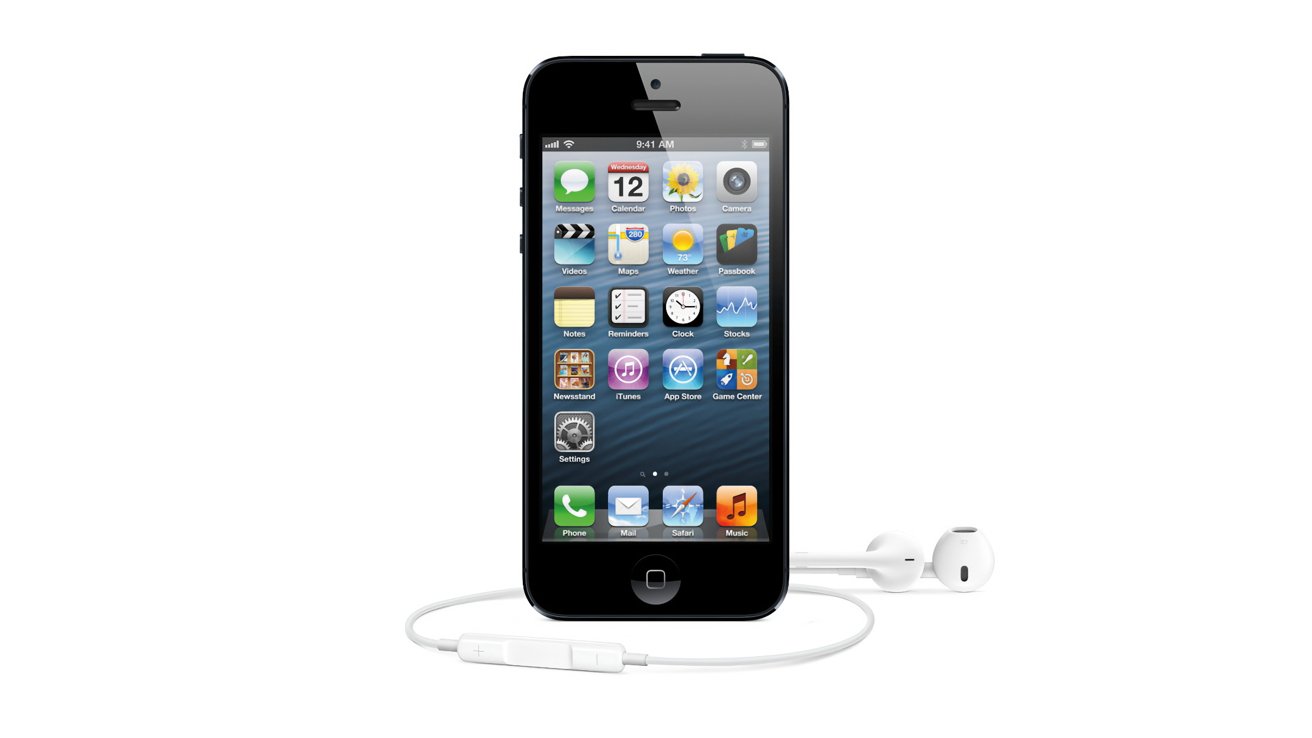
Apple has officially designated the iPhone 5 as obsolete, marking the end of support for this pivotal device in the company’s history. This classification means that Apple Stores and Authorized Service Providers will no longer offer repairs or hardware services for the iPhone 5.
Introduced in September 2012, the iPhone 5 was a significant leap forward in smartphone design and functionality. It was the first iPhone to feature a larger 4-inch display, moving away from the 3.5-inch screens of its predecessors. This change provided users with more screen real estate while maintaining a comfortable form factor. Additionally, the iPhone 5 was the first to incorporate the Lightning connector, replacing the 30-pin dock connector and setting a new standard for Apple’s device connectivity.
The device was powered by the A6 chip, offering improved performance and energy efficiency. It also introduced LTE connectivity, enabling faster mobile data speeds and enhancing the overall user experience. The iPhone 5’s design, characterized by its aluminum and glass construction, was both sleek and durable, influencing the aesthetic of subsequent models.
Apple’s policy considers a product obsolete once seven years have passed since it was last sold. The iPhone 5 was discontinued in September 2013, following the release of the iPhone 5s and iPhone 5c. This timeline aligns with the recent classification of the iPhone 5 as obsolete.
The iPhone 5’s obsolescence follows a series of similar designations for other Apple devices. In December 2025, the original iPhone SE, released in March 2016, was also declared obsolete. This model was notable for combining the compact design of the iPhone 5s with the more powerful A9 chip from the iPhone 6s, catering to users who preferred smaller devices without compromising on performance.
Similarly, in June 2025, Apple added the iPhone XS to its vintage products list. A device is considered vintage once five years have passed since Apple stopped distributing it for sale. While vintage products may still receive service and parts from Apple service providers, this is subject to parts availability. The iPhone XS, released in September 2018, introduced features like the A12 Bionic chip and improved camera capabilities.
The transition of devices from vintage to obsolete status is a standard practice for Apple, reflecting the company’s commitment to innovation and the natural progression of technology. As newer models are introduced, older devices eventually reach the end of their support lifecycle. This process ensures that resources are allocated to supporting and enhancing current and future products.
For users of the iPhone 5, this obsolescence means that official support channels are no longer available. While the device may continue to function, users should be aware of potential security vulnerabilities and the lack of access to official repair services. It’s advisable for users to consider upgrading to newer models to benefit from the latest features, security updates, and support services.
The iPhone 5’s legacy is significant. It set the stage for future innovations in smartphone design and functionality. Its introduction of the Lightning connector, larger display, and LTE connectivity were pivotal advancements that have influenced the trajectory of smartphone development. As technology continues to evolve, the iPhone 5 remains a landmark in Apple’s history, representing a period of rapid innovation and growth.
In conclusion, the designation of the iPhone 5 as obsolete marks the end of an era for a device that played a crucial role in shaping the modern smartphone landscape. While it will no longer receive official support, its impact on technology and design will be remembered. Users are encouraged to transition to newer devices to ensure they have access to the latest features, security updates, and support services that Apple offers.