Apple Abandons Clamshell Foldable iPhone Concept, Deems It Unnecessary
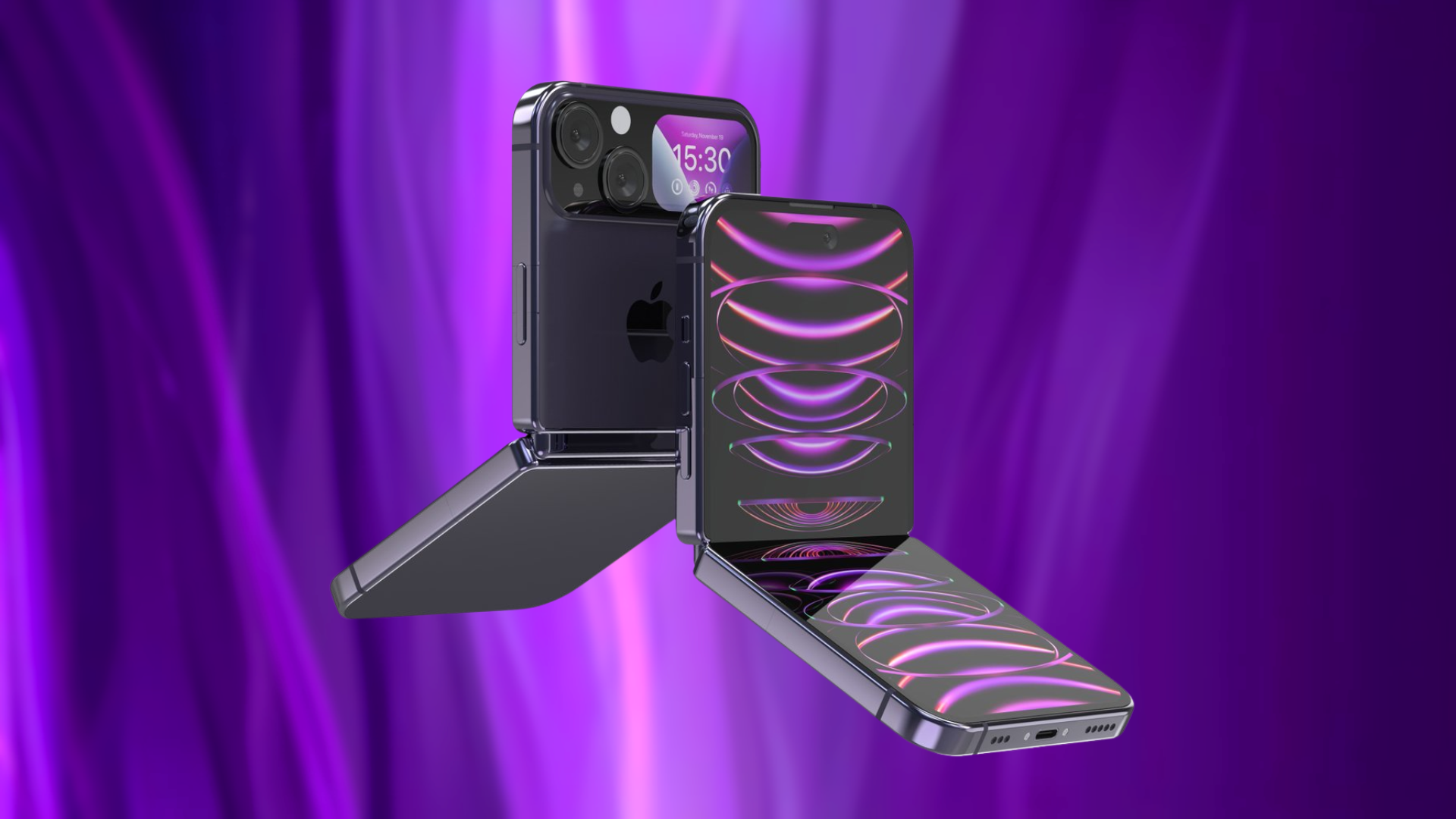
Apple has been diligently working on its inaugural foldable iPhone, aiming to launch it alongside the iPhone 18 Pro series later this year. In the course of its research and development, the company explored various foldable designs, including a clamshell-style device reminiscent of the compact flip phones currently offered by several Android manufacturers.
The clamshell foldable, often referred to as the iPhone Flip, was envisioned as a more compact alternative to the larger book-style foldable iPhone. This design would have positioned Apple to compete directly with devices like Samsung’s Galaxy Z Flip series, catering to consumers seeking a smaller, pocket-friendly foldable smartphone.
However, after thorough evaluation, Apple decided to discontinue the development of the clamshell foldable. According to a leak shared by the reputable tipster Instant Digital, internal discussions concluded that the flip-style phone was unnecessary as it did not introduce any compelling new use cases for consumers. The consensus within the company was that the design failed to offer significant advantages that would justify its production and market introduction.
Reasons Behind the Decision
Several factors influenced Apple’s decision to abandon the clamshell foldable concept:
1. Compromised Internal Space: The clamshell design inherently divides the device’s internal space into two halves due to the hinge mechanism. This division results in limited room for essential components, making every inch of land precious, as noted by Instant Digital. Consequently, this constraint would lead to reductions in battery capacity and necessitate smaller camera modules, potentially impacting overall device performance.
2. Battery Life Concerns: A smaller battery capacity directly affects the device’s battery life. Apple has consistently prioritized delivering devices with robust battery performance. The clamshell design’s limitations in accommodating a sufficiently large battery posed a significant drawback.
3. Camera Performance Limitations: Apple’s iPhones are renowned for their advanced camera systems. The spatial constraints of the clamshell design would require downsizing camera hardware, potentially compromising image quality and overall camera capabilities.
4. Limited User Benefits: The primary advantage of the clamshell foldable is its compactness when folded, making it easier to carry. However, Apple assessed that this benefit alone did not provide a compelling reason for consumers to transition to this form factor, especially when weighed against the associated compromises in battery life and camera performance.
Strategic Focus on High-End Foldables
Apple’s decision to halt the development of the clamshell foldable aligns with its broader product strategy. The company appears to be concentrating its efforts on a single, high-end foldable device that offers substantial utility and aligns with its Ultra product line. This approach suggests a preference for delivering a foldable iPhone that combines innovative design with uncompromised performance, rather than diversifying into multiple foldable form factors that may not meet Apple’s stringent standards.
Market Implications
While the clamshell foldable design has found a niche market among Android users, Apple’s decision indicates a cautious approach to adopting new form factors. The company seems to prioritize ensuring that any new design offers clear, tangible benefits to users without sacrificing core functionalities. This strategy reflects Apple’s commitment to maintaining its reputation for delivering high-quality, user-centric products.
Looking Ahead
Despite shelving the clamshell foldable concept, Apple continues to innovate in the foldable smartphone space. The forthcoming book-style foldable iPhone is anticipated to feature a larger, crease-free inner display, advanced hinge mechanisms, and under-display technology for Face ID and the front camera. These developments underscore Apple’s dedication to entering the foldable market with a product that meets its high standards for design and functionality.
In conclusion, Apple’s decision to cancel the clamshell foldable iPhone project underscores its commitment to delivering products that offer meaningful value to consumers. By focusing on a high-end foldable device that aligns with its product philosophy, Apple aims to make a significant impact in the evolving foldable smartphone market.