Apple Enhances iPhone Security with Default Stolen Device Protection in iOS 26.4
In a significant move to bolster iPhone security, Apple has announced that with the release of iOS 26.4, the Stolen Device Protection feature will be activated by default for all users. This proactive measure aims to provide an additional layer of security in the unfortunate event of device theft.
Background on Stolen Device Protection
Introduced in 2023, Stolen Device Protection was developed in response to emerging theft techniques where perpetrators would observe users entering their passcodes in public settings. Armed with this information, thieves could steal the device and gain unauthorized access to sensitive data, including financial accounts and personal information.
Enhanced Security Measures
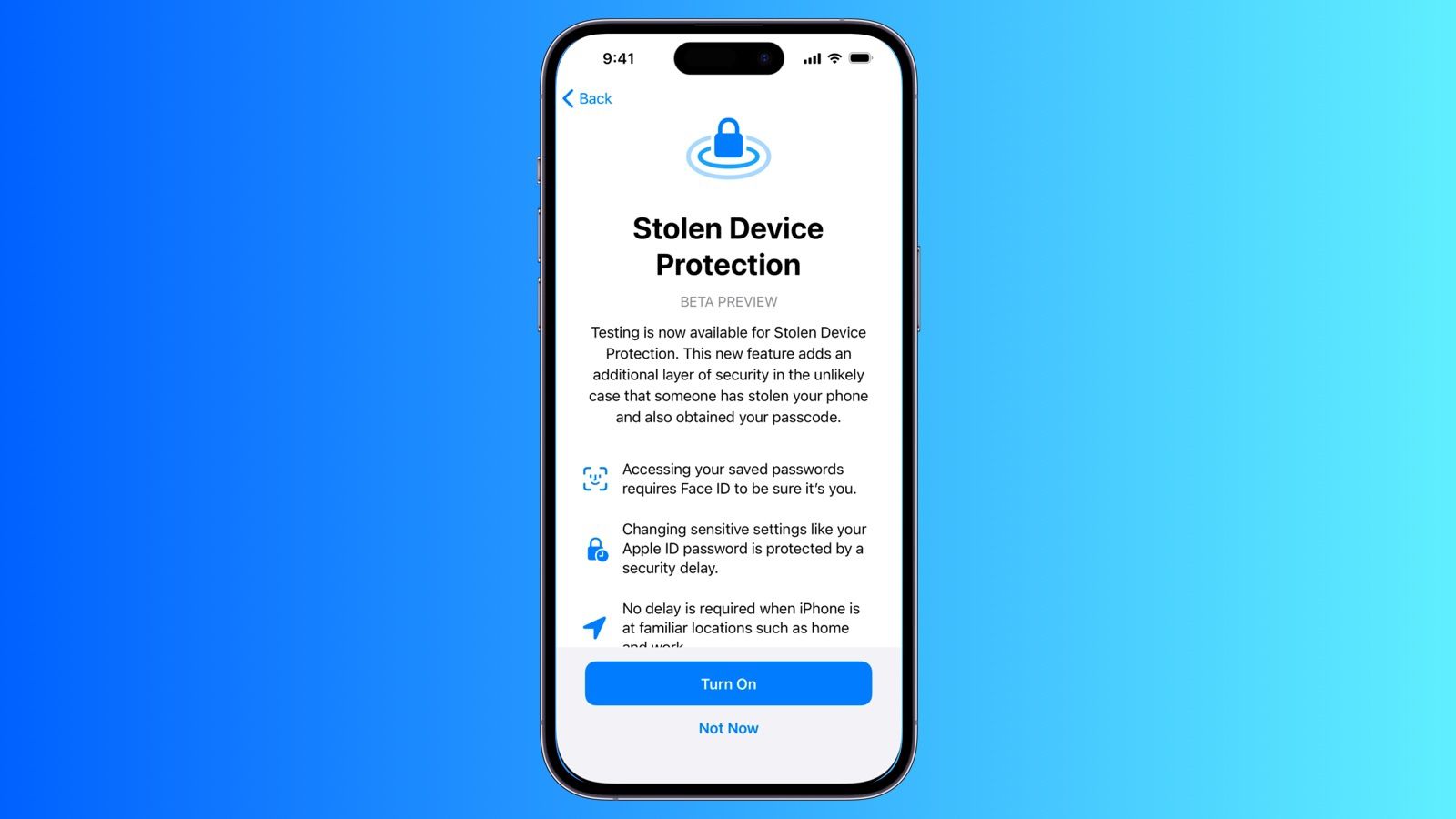
With Stolen Device Protection enabled, certain critical actions on the iPhone now require biometric authentication through Face ID or Touch ID, eliminating the possibility of using only the passcode for these operations. This change is designed to prevent unauthorized access even if a thief knows the device’s passcode.
Actions Requiring Biometric Authentication
The following operations will necessitate Face ID or Touch ID verification:
– Accessing passwords or passkeys stored in iCloud Keychain.
– Applying for a new Apple Card.
– Viewing the virtual Apple Card.
– Disabling Lost Mode.
– Erasing all content and settings on the device.
– Performing specific Apple Cash and Savings actions within the Wallet app.
– Utilizing payment methods saved in Safari.
– Setting up a new device using the current iPhone.
Notably, these actions cannot be completed using the device’s passcode alone, ensuring that biometric authentication is mandatory.
Security Delays for Sensitive Operations
For particularly sensitive changes, such as modifying the Apple ID password or updating certain account security settings, Apple has implemented a security delay mechanism:
1. The user must authenticate using Face ID or Touch ID.
2. A mandatory one-hour waiting period is enforced.
3. A second biometric authentication is required to complete the action.
This delay is designed to deter unauthorized users from making critical changes immediately after gaining access to the device.
Adaptive Security Based on Location
Understanding that users may prefer more seamless access in trusted environments, Apple offers an option to reduce security delays when the iPhone is in familiar locations, such as at home or work. This adaptive feature ensures that security measures are robust when the device is in unfamiliar settings but less intrusive in trusted ones.
Implementation and Availability
As of now, iOS 26.4 is available to developers, with a public beta expected to be released shortly. Apple plans to roll out the update to all users in the spring, ensuring that every iPhone is equipped with this enhanced security feature by default.
Conclusion
By enabling Stolen Device Protection by default in iOS 26.4, Apple is taking a significant step forward in safeguarding user data against theft. This feature underscores the company’s commitment to user security and privacy, adapting to evolving threats and providing users with peace of mind.