Apple and Google Collaborate to Simplify iPhone and Android Switching
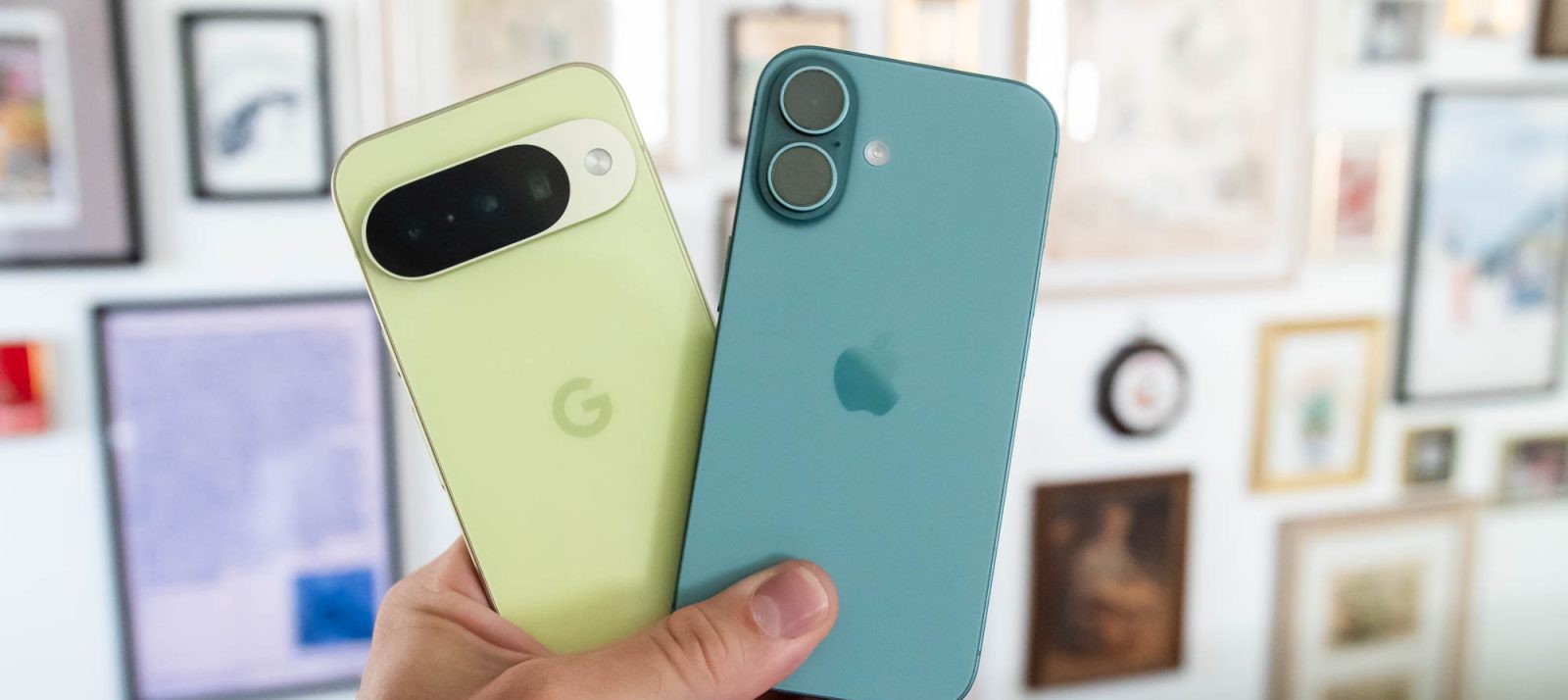
In a significant move to enhance user experience, Apple and Google have announced a joint initiative aimed at simplifying the process of switching between iPhone and Android devices. This collaboration seeks to address longstanding challenges faced by users when migrating data across these platforms.
Background
Historically, transitioning from one mobile operating system to another has been a cumbersome process. Users often encounter difficulties in transferring essential data such as contacts, photos, messages, and applications. Recognizing these challenges, both Apple and Google have previously developed tools to assist users: Apple’s Move to iOS app facilitates data migration from Android to iPhone, while Google’s Android Switch app aids in the reverse process. Despite these efforts, users have reported limitations and inefficiencies in these tools.
The New Collaboration
The recent partnership between Apple and Google aims to overhaul the data migration experience. Key aspects of this collaboration include:
1. Integrated Setup Process: The new system will be embedded directly into the device setup process, eliminating the need for separate applications. This integration is expected to provide a more seamless and intuitive experience for users.
2. Expanded Data Support: The updated migration tool will support a broader range of data types, addressing previous limitations. Users can expect comprehensive transfers that include not only contacts and photos but also messages, application data, and system settings.
3. Enhanced Speed and Efficiency: Improvements in data transfer speeds are anticipated, reducing the time required to complete the migration process. This enhancement is particularly beneficial for users with extensive data.
Implementation Timeline
The rollout of this new feature is set to commence with the latest Android Canary build 2512 (ZP11.251121.010) on Pixel devices. This early release allows developers and early adopters to test and provide feedback on the new system. Concurrently, Apple plans to introduce corresponding functionality in an upcoming iOS 26 developer beta. While specific dates for the public release have not been announced, the collaboration indicates a commitment to delivering this enhanced experience in the near future.
Implications for Users
This initiative is poised to significantly reduce the friction associated with switching between mobile platforms. Users can look forward to:
– Simplified Migration: The integrated setup process will guide users through data transfer steps, making the transition more straightforward.
– Comprehensive Data Transfer: The ability to move a wider array of data types ensures that users retain their personalized settings and information, minimizing the need for manual reconfiguration.
– Time Savings: Faster transfer speeds will make the migration process less time-consuming, allowing users to start using their new devices more quickly.
Industry Context
This collaboration reflects a broader trend in the tech industry towards enhancing interoperability and user convenience. By working together, Apple and Google acknowledge the importance of user-centric solutions that transcend competitive boundaries. This move may also set a precedent for future collaborations aimed at improving cross-platform experiences.
Conclusion
The partnership between Apple and Google to streamline the process of switching between iPhone and Android devices marks a significant advancement in user experience. By integrating data migration tools directly into the device setup process and expanding support for various data types, this initiative addresses longstanding challenges faced by users. As the rollout progresses, users can anticipate a more efficient and comprehensive transition between mobile platforms.