Apple and Google Collaborate to Simplify iPhone-Android Switching
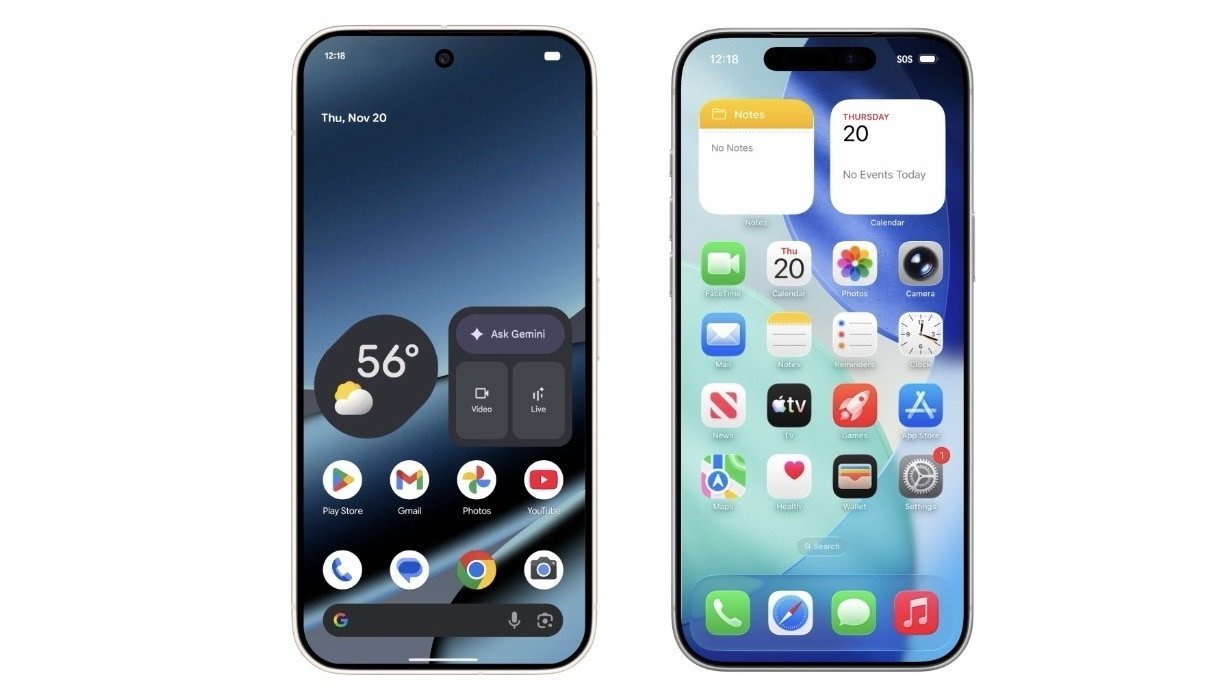
In a significant move to enhance user experience, Apple and Google have jointly developed features aimed at simplifying the process of switching between iPhone and Android devices. This collaboration addresses the traditionally cumbersome task of migrating data across these platforms.
Introduction of New Features
A recent Android Canary build (version 2512) for Google Pixel smartphones has introduced functionalities designed to streamline the device setup process for users transitioning between iOS and Android. These features are part of a concerted effort by both tech giants to facilitate smoother data transfers.
eSIM Transfer Capabilities
Earlier this year, code discovered in the Android 16 QPR1 Beta 1 build indicated that the Google SIM Manager app included language to assist users in transferring their eSIM from iPhone to Android. This feature suggests the introduction of a Transfer to Android section within the iOS Settings app, potentially debuting in iOS 19. The anticipated functionality would allow users to generate a QR code on their iPhone, which, when scanned by an Android device, would facilitate the wireless transfer of the eSIM. This method mirrors the existing Android-to-Android eSIM transfer process, eliminating the need for users to engage with their eSIM provider during the transition.
Historical Context and Previous Efforts
The endeavor to simplify cross-platform migration is not new. In 2015, Apple launched the Move to iOS app, enabling Android users to transfer data such as contacts, calendars, photos, videos, browser bookmarks, email accounts, and SMS history to a new iPhone. This app established a private Wi-Fi network to securely transfer data, even identifying and suggesting free Android apps available on the App Store.
Conversely, Google introduced the Switch to Android app for iOS in April 2022, allowing iPhone users to migrate essential data to an Android device wirelessly. The app also guided users through critical steps, such as disabling iMessage, to ensure a seamless transition.
Enhancements in File Sharing
Beyond data migration, efforts have been made to improve file-sharing capabilities between the two platforms. In November 2025, Google rolled out an update enabling Pixel 10 users to send files to iPhones via Quick Share, akin to Apple’s AirDrop functionality. This feature allows Android users to detect nearby Apple devices and share files without relying on cloud services or messaging apps, thereby enhancing interoperability in mixed-device environments.
Challenges and Considerations
Despite these advancements, challenges remain. For instance, the requirement for iPhone users to adjust AirDrop settings to Everyone for 10 minutes introduces an additional step in the file-sharing process, potentially disrupting the otherwise seamless experience. Moreover, the initial rollout of these features is limited to specific devices, such as the Pixel 10 series, leaving many Android users awaiting broader support.
Conclusion
The collaborative efforts between Apple and Google signify a mutual recognition of the need to enhance user experience in device migration and interoperability. While these developments mark a positive step forward, ongoing refinements and broader device support are essential to fully realize a frictionless transition between iPhone and Android ecosystems.