Decoding the Apple-Google AI Partnership: Aligning Statements Amidst Speculation
In the rapidly evolving landscape of artificial intelligence, collaborations between tech giants often spark both excitement and scrutiny. The recent partnership between Apple and Google is no exception, especially given the seemingly divergent statements from their respective CEOs regarding the integration of AI technologies. This article aims to dissect these statements, provide context, and clarify the nature of this collaboration.
The Genesis of the Partnership
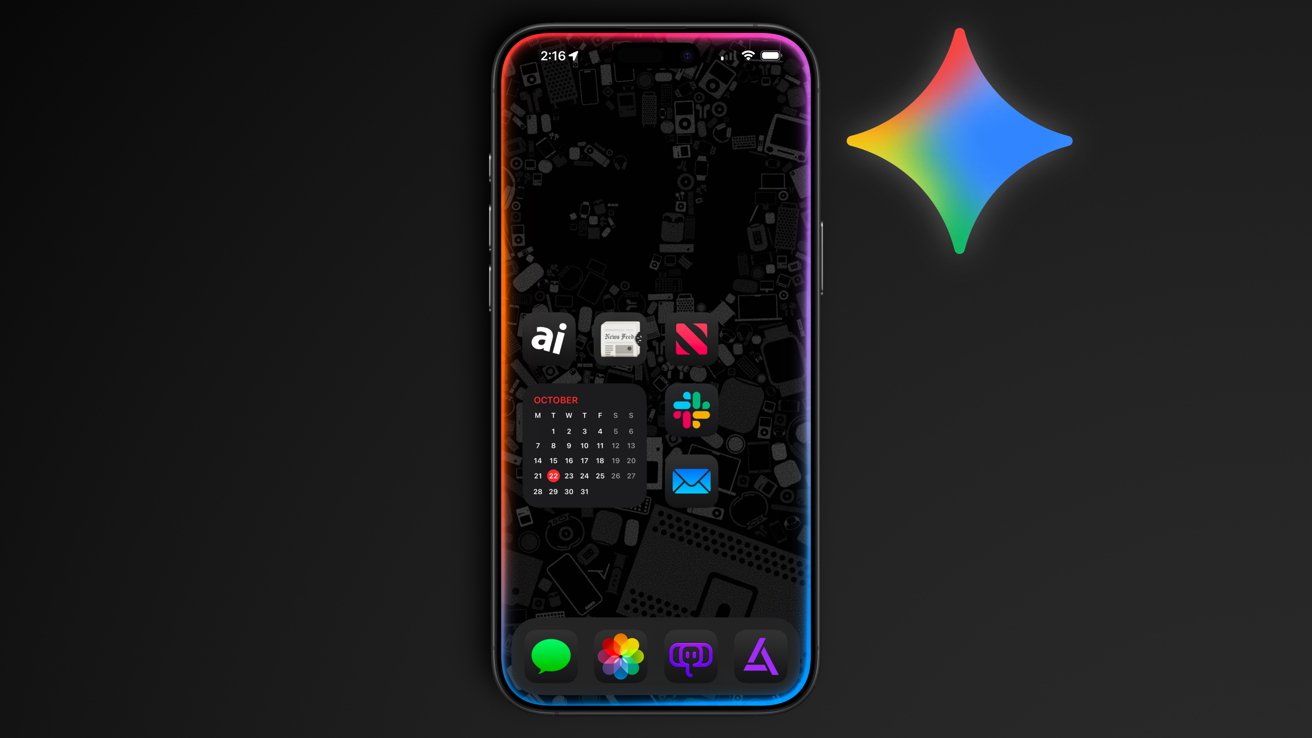
In early 2026, Apple and Google announced a multi-year collaboration to enhance Apple’s AI capabilities, particularly focusing on the Siri voice assistant. Central to this partnership is the integration of Google’s advanced Gemini AI models into Apple’s ecosystem. This move signifies a strategic alignment between two historically competitive entities, aiming to leverage each other’s strengths in AI development.
Divergent Statements from Leadership
The partnership’s announcement was accompanied by statements from both companies’ leaders, which, at first glance, appeared contradictory:
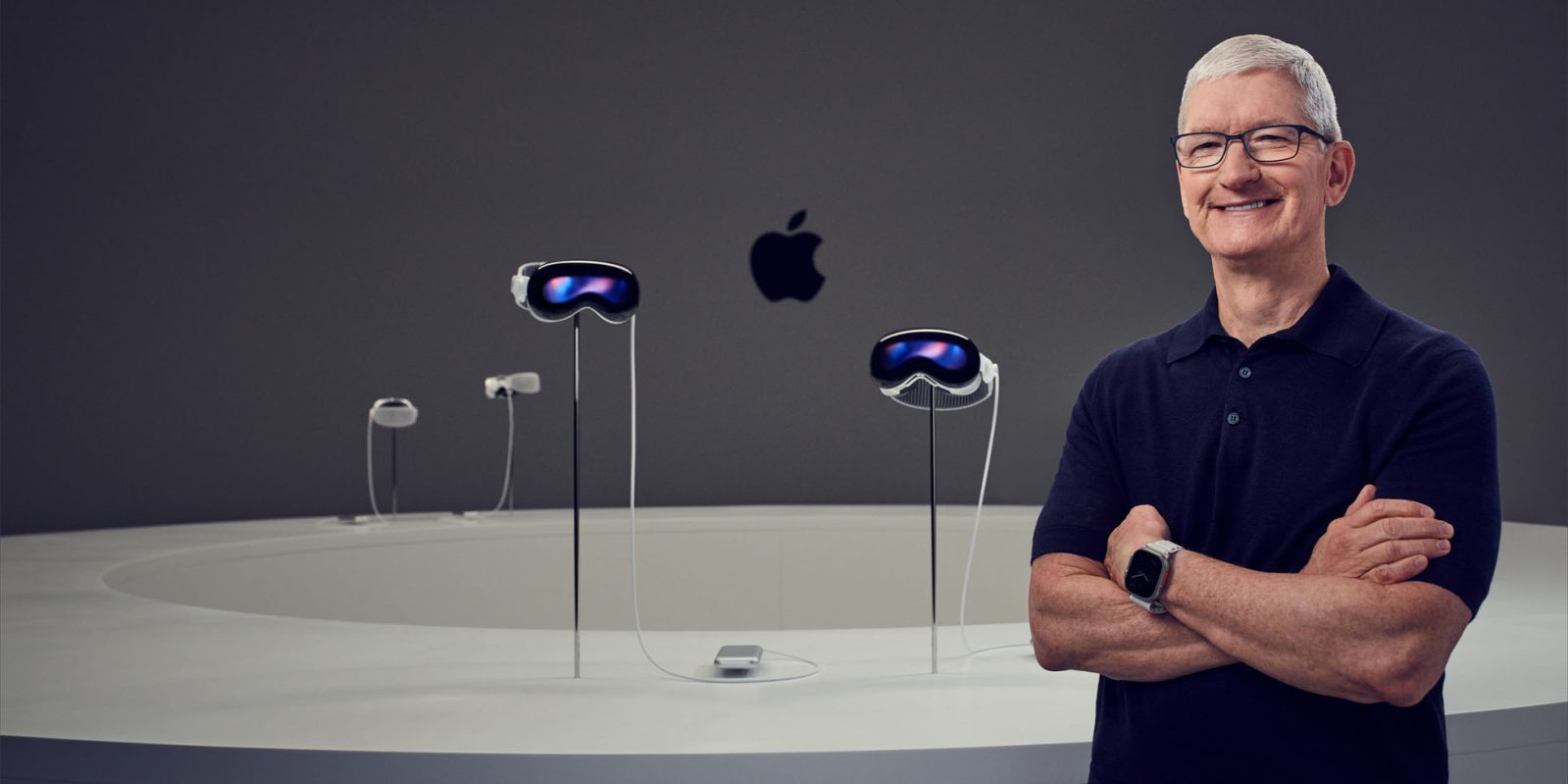
– Apple’s Position: Apple CEO Tim Cook emphasized that the collaboration would not compromise Apple’s stringent privacy standards. He highlighted that Apple Intelligence and Siri would operate both on-device and through Apple’s Private Cloud Compute (PCC), ensuring user data remains secure and private.
– Google’s Position: Conversely, during Alphabet’s fourth-quarter earnings call, Google CEO Sundar Pichai and Chief Business Officer Philipp Schindler referred to Google as Apple’s preferred cloud provider. They mentioned that the partnership involves developing the next generation of Apple Foundation Models based on Google’s Gemini technology.
These statements led to speculation about potential conflicts in the partnership’s execution, particularly concerning data privacy and the extent of Google’s involvement in Apple’s AI infrastructure.
Reconciling the Statements
Upon closer examination, these statements are not necessarily contradictory but rather highlight different facets of the partnership:
1. Privacy and Data Handling: Apple’s commitment to privacy remains unwavering. The integration of Google’s Gemini models is designed to enhance AI capabilities without compromising user data security. By operating AI processes on-device and within Apple’s PCC, Apple ensures that sensitive information does not leave its controlled environment.
2. Role of Google as a Cloud Provider: Google’s designation as the preferred cloud provider pertains to the infrastructure supporting the development and training of AI models. This role does not imply that user data is processed or stored on Google’s servers. Instead, it indicates that Apple utilizes Google’s cloud resources for computational tasks related to AI model development, while maintaining strict data privacy protocols.
3. Technical Collaboration: The partnership involves Apple leveraging Google’s Gemini technology to build and train its own Apple Foundation Models. This collaboration allows Apple to enhance its AI offerings, such as Siri, by incorporating advanced machine learning techniques developed by Google, all while operating within Apple’s secure and private computing environments.
Strategic Implications
This collaboration offers several strategic advantages:
– Accelerated AI Development: By integrating Google’s advanced AI models, Apple can expedite the enhancement of its AI features, providing users with more sophisticated and responsive experiences.
– Maintained Privacy Standards: Apple’s approach ensures that user data remains protected, aligning with its longstanding commitment to privacy. The use of on-device processing and PCC means that personal information is not exposed to external servers.
– Mutual Benefit: Google benefits by expanding the reach of its AI technologies, while Apple gains access to cutting-edge AI advancements without compromising its privacy principles.
Addressing Market Speculation
Despite the clear delineation of roles and responsibilities, market analysts and commentators have speculated about potential conflicts or challenges within the partnership. Some suggest that the collaboration indicates a dependency on Google’s technology, which could be perceived as a strategic vulnerability for Apple. However, this perspective overlooks the nuanced nature of the partnership:
– Temporary Arrangement: Analyst Ming-Chi Kuo describes the deal as a temporary measure, allowing Apple to meet immediate AI demands while continuing to develop its in-house AI capabilities. This approach provides Apple with the flexibility to enhance its AI offerings without delaying product advancements.
– Long-Term Strategy: Apple is reportedly working on mass-producing its own AI-focused server chips, expected to enter production in the latter half of 2026. This development indicates a strategic plan to eventually reduce reliance on external partners for AI infrastructure.
Conclusion
The partnership between Apple and Google in the realm of AI is a strategic collaboration that leverages each company’s strengths while maintaining their core principles. The seemingly contradictory statements from their CEOs reflect different aspects of the partnership but, when examined collectively, reveal a coherent strategy focused on enhancing AI capabilities without compromising user privacy. As the partnership progresses, it will be essential to monitor how these collaborative efforts translate into tangible improvements in AI-driven user experiences.