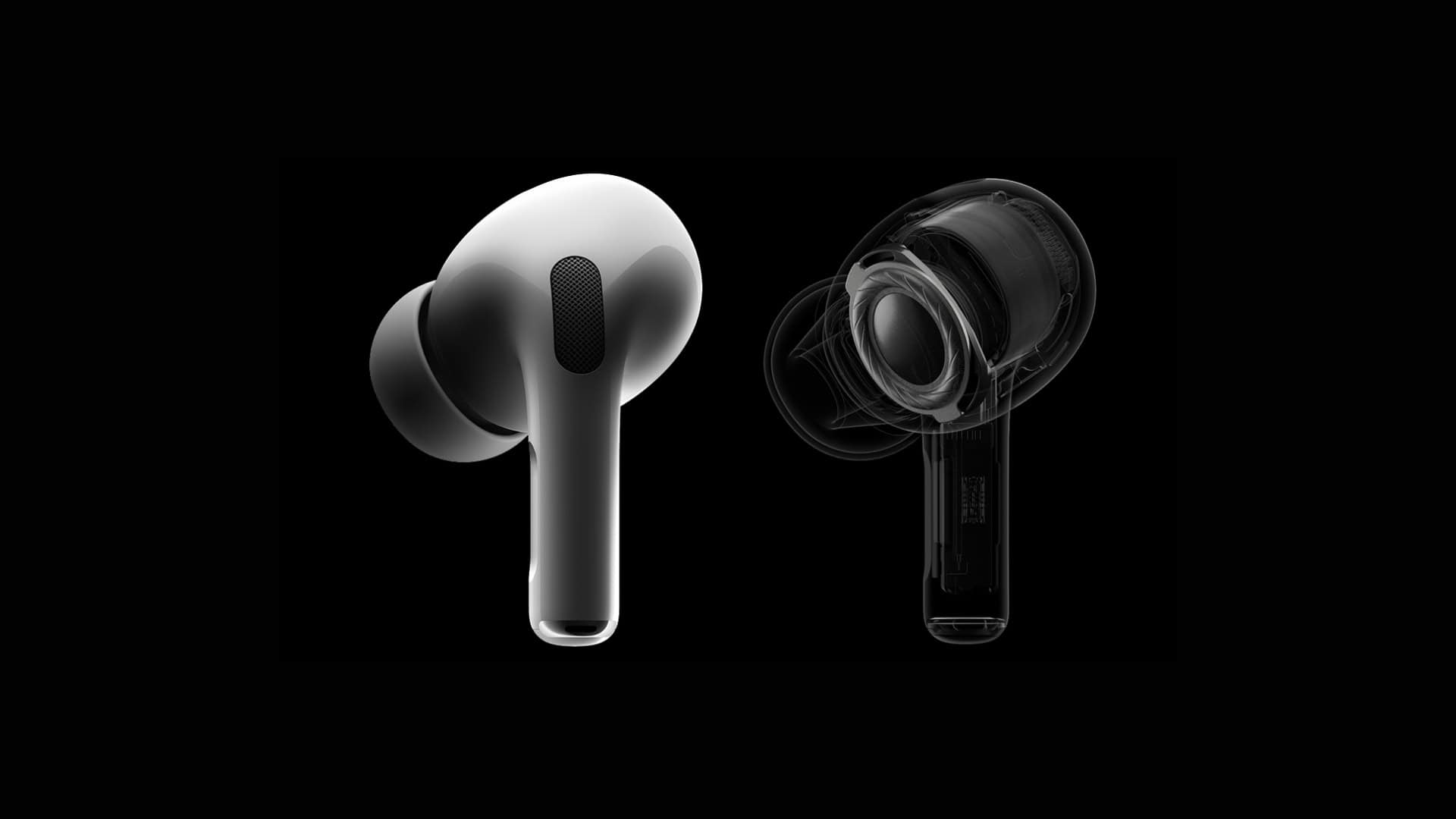
Apple’s $2 Billion Bet on Silent Speech: The Future of AirPods Pro
In a strategic move that underscores its commitment to advancing wearable technology, Apple has acquired Israeli AI startup Q.ai for nearly $2 billion. This acquisition, one of Apple’s largest to date, is poised to revolutionize user interaction with devices, particularly through the integration of silent speech recognition into future AirPods Pro models.
Q.ai’s Pioneering Technology
Founded in 2022, Q.ai specializes in machine learning technologies capable of interpreting whispered or silent speech and enhancing audio quality in noisy environments. The company’s innovative approach includes analyzing microfacial movements—subtle muscle changes around the mouth and face that occur even without audible speech. This capability enables devices to understand and respond to unspoken commands, offering a new dimension of user interaction.
Integration with AirPods Pro
The synergy between Q.ai’s technology and Apple’s product line is evident. Reports suggest that Apple plans to equip future AirPods Pro models with infrared (IR) cameras. These sensors would track facial movements, allowing users to control devices through silent speech. By combining Q.ai’s expertise in silent speech recognition with IR-enabled AirPods Pro, Apple aims to provide users with the ability to send messages, control apps, or interact with Siri without vocalizing commands. This innovation is particularly beneficial in environments where speaking aloud is impractical or socially awkward.
Analyst Insights
Industry analysts have highlighted the potential impact of this integration. The cameras embedded in the AirPods Pro would detect users’ silent speech by analyzing facial micro movements. This advancement would enable voice-to-text functionalities in applications like iMessage without the need for audible speech, and facilitate discreet interactions with Siri in public settings. Such developments could significantly reduce the social discomfort associated with using voice commands in crowded or quiet environments.
Broader Implications for Apple’s Ecosystem
The implications of this technology extend beyond AirPods Pro. Devices like the Vision Pro headset and the anticipated Apple Glasses could also benefit from silent speech recognition. By reducing reliance on audible voice commands and physical gestures, Apple is paving the way for more intuitive and private user interactions across its product ecosystem.
Strategic Acquisition
The acquisition of Q.ai is not just a technological enhancement but also a strategic move to bolster Apple’s position in the competitive AI landscape. With rivals like Meta and Google investing heavily in AI, particularly in hardware integration, Apple’s investment in Q.ai demonstrates its commitment to leading in AI-driven user experiences. The deal also brings back Aviad Maizels, Q.ai’s CEO, who previously sold PrimeSense to Apple in 2013—a company whose technology became foundational for Face ID.
Future Prospects
While specific details about the release and pricing of IR-enabled AirPods Pro remain speculative, the acquisition of Q.ai signals a clear direction for Apple’s future products. By focusing on silent speech recognition and integrating advanced AI capabilities into its devices, Apple is set to redefine how users interact with technology, making interactions more seamless, private, and contextually aware.