Apple’s Acquisition of Kuzu, Inc. Signals a New Era for FileMaker and iWork Databases
In a strategic move poised to revolutionize its database offerings, Apple has acquired Kuzu, Inc., a company renowned for its advanced graph database technology. This acquisition suggests potential enhancements to Apple’s FileMaker platform and the iWork suite, promising faster and more flexible database solutions for users.
The Legacy of FileMaker and iWork
Apple’s FileMaker has been a cornerstone in database management since the 1980s, offering robust solutions for businesses and individuals alike. Despite its longstanding presence, FileMaker has operated somewhat independently from Apple’s mainstream consumer applications, such as the iWork suite, which includes Pages, Keynote, and Numbers. Notably, iWork has lacked a dedicated database application, a gap that Apple’s recent acquisition may aim to fill.
Understanding Graph Databases
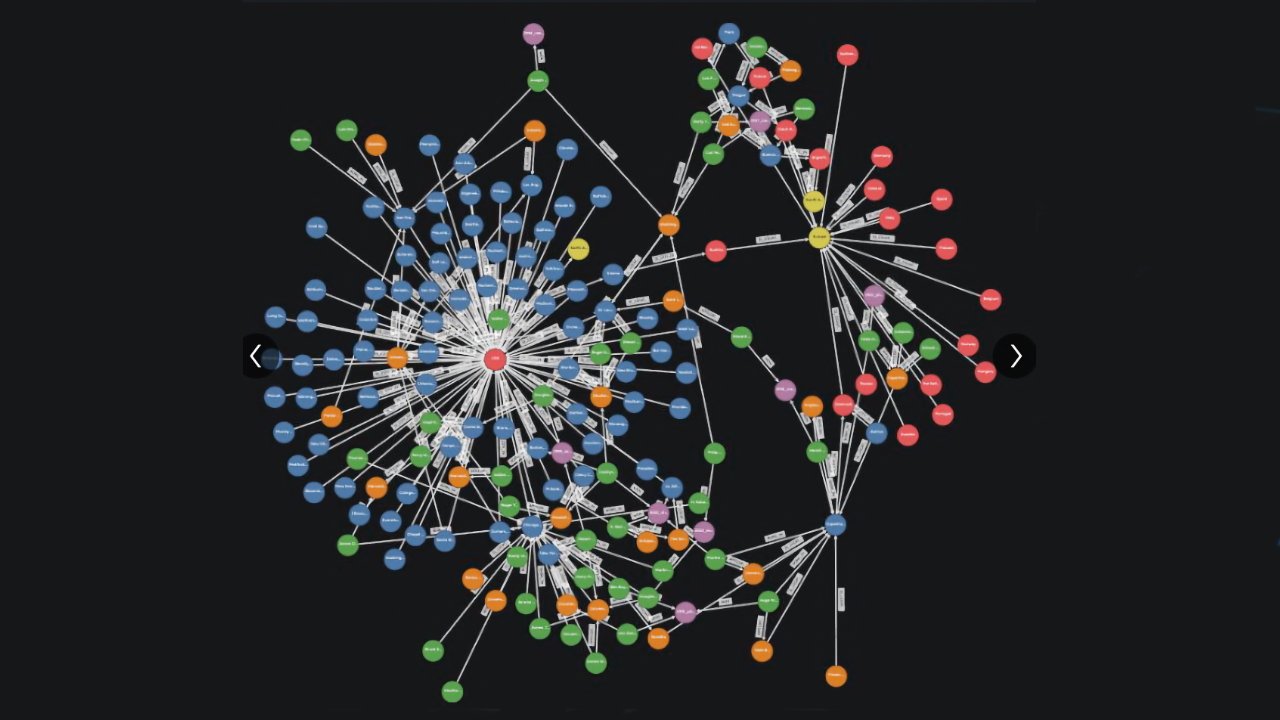
Traditional relational databases organize data into tables, making them efficient for structured data but sometimes less adaptable to complex, interconnected information. Graph databases, like those developed by Kuzu, Inc., represent data as nodes and relationships, allowing for more dynamic and flexible data modeling. This structure is particularly advantageous for applications requiring intricate data interconnections, such as social networks, recommendation engines, and complex analytics.
Potential Impacts on FileMaker
Integrating Kuzu’s graph database technology into FileMaker could lead to significant improvements:
– Enhanced Performance: Graph databases can expedite complex queries by efficiently navigating relationships between data points, potentially reducing response times for intricate data retrieval tasks.
– Increased Flexibility: Users may gain the ability to model complex relationships more intuitively, accommodating evolving data structures without extensive schema modifications.
– Advanced Analytics: The integration could facilitate sophisticated data analysis capabilities, enabling users to uncover deeper insights through complex relationship mapping.
Implications for iWork
The absence of a dedicated database application within iWork has been a notable omission, especially when compared to competitors like Microsoft’s Office suite, which includes Access. The incorporation of graph database technology could lead to:
– New Database Application: Apple might introduce a user-friendly database tool within iWork, leveraging graph technology to offer intuitive data management and analysis features.
– Seamless Integration: Enhanced interoperability between iWork applications could allow users to embed complex data visualizations and analyses directly into documents, presentations, and spreadsheets.
– User Empowerment: By providing powerful yet accessible database tools, Apple could empower users to create and manage complex datasets without requiring advanced technical expertise.
Broader Industry Context
Apple’s acquisition aligns with a broader industry trend towards adopting graph databases. Companies like Facebook and Google have successfully utilized graph technology to manage vast, interconnected datasets, enhancing their services’ responsiveness and personalization. By integrating similar capabilities, Apple positions itself to offer competitive, cutting-edge database solutions.
Looking Ahead
While Apple has not yet detailed specific plans for integrating Kuzu’s technology, the acquisition indicates a commitment to advancing its database capabilities. Users can anticipate future updates that may introduce more dynamic, efficient, and flexible data management tools across Apple’s software ecosystem.