Innovative App Detects Nearby Smart Glasses, Setting a Standard for Apple Glass Developers
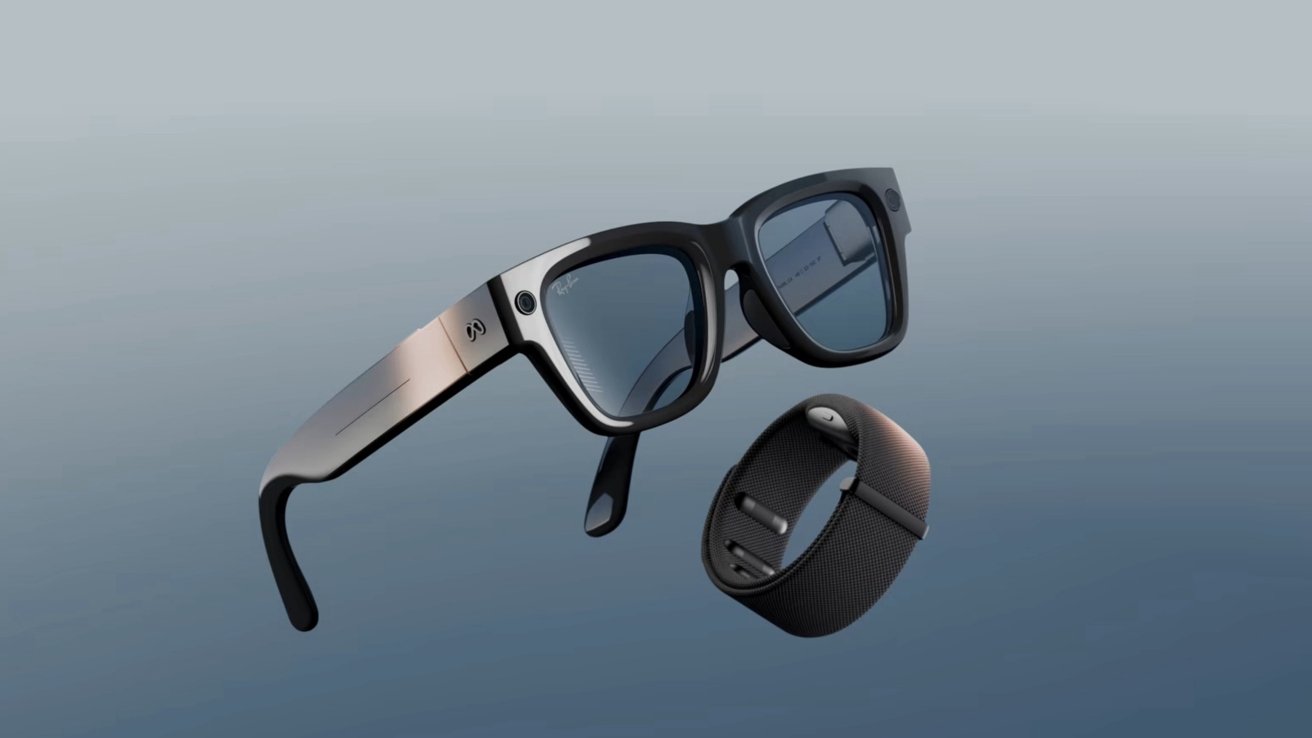
In the rapidly evolving landscape of wearable technology, smart glasses have emerged as both a marvel of innovation and a potential concern for personal privacy. Meta’s Ray-Ban Display glasses, for instance, have been implicated in incidents where individuals were recorded in sensitive environments such as bathrooms, courtrooms, and medical offices without their consent. This misuse underscores the pressing need for mechanisms that can alert individuals to the presence of such devices in their vicinity.
Addressing this concern, developer Yves Jeanrenaud has introduced Nearby Glasses, an Android application designed to detect the presence of camera-equipped smart glasses nearby. The app operates by identifying advertising frames, which are small beacons broadcasted by Bluetooth devices during their regular operation. Upon detection, the app notifies users, thereby enhancing their situational awareness and empowering them to take appropriate actions to safeguard their privacy.
While Nearby Glasses is currently exclusive to Android devices and available for download on the Google Play Store and GitHub, it occasionally registers false positives, particularly when in proximity to virtual reality headsets. However, given the rarity of individuals wearing VR headsets in public spaces, these instances are minimal.
The Broader Implications of Smart Glasses Usage
The advent of smart glasses has introduced a new dimension to the discourse on privacy. Devices like Meta’s Ray-Ban Display are designed to resemble conventional eyewear, making it challenging for the average person to discern their recording capabilities. This design choice has led to numerous reports of misuse, including:
– Unauthorized Recording: Individuals have been recorded without consent in private settings, leading to significant privacy violations.
– Harassment: There have been instances where wearers have used these devices to harass others, including live-streaming interactions without the knowledge or consent of those being recorded.
– Surveillance: Both law enforcement agents and protestors have utilized smart glasses during public demonstrations, raising concerns about surveillance and the potential for misuse.
Even high-profile figures, such as Meta’s CEO Mark Zuckerberg, have faced scrutiny for wearing these glasses in sensitive environments like courtrooms. Such incidents highlight the urgent need for clear guidelines and technological solutions to address the challenges posed by smart glasses.
Implications for Apple and the Development of Apple Glass
As Apple prepares to enter the smart glasses market with its anticipated Apple Glass, the company faces a pivotal decision: how to balance innovation with user privacy and safety. Historically, Apple has been lauded for its commitment to user privacy, and this ethos will be tested as it ventures into wearable technology that has the potential for misuse.
The development and implementation of applications like Nearby Glasses serve as a valuable model for Apple. By integrating similar detection and alert systems into their devices, Apple can proactively address privacy concerns and set a new standard for responsible technology use.
Furthermore, Apple’s approach to smart glasses could benefit from:
– Transparent Design: Ensuring that recording capabilities are clearly indicated to those around the wearer, perhaps through visible indicators or audible alerts.
– User Education: Providing comprehensive guidelines on ethical usage and the importance of obtaining consent before recording.
– Privacy-First Features: Incorporating features that prioritize user privacy, such as automatic disabling of recording functions in sensitive environments.
By adopting these measures, Apple can differentiate its product in a competitive market and reinforce its reputation as a company that values user trust and privacy.
Conclusion
The emergence of smart glasses presents both exciting possibilities and significant challenges. While they offer innovative ways to interact with the world, they also pose potential risks to personal privacy. The development of detection applications like Nearby Glasses is a step in the right direction, providing individuals with tools to protect themselves from unauthorized recording.
As Apple and other tech giants continue to develop and release smart glasses, it is imperative that they prioritize user privacy and ethical considerations. By learning from existing challenges and implementing proactive solutions, they can ensure that technological advancements enhance our lives without compromising our fundamental rights.