Anthropic Integrates Slack, Figma, and Canva Directly into Claude for Seamless Productivity
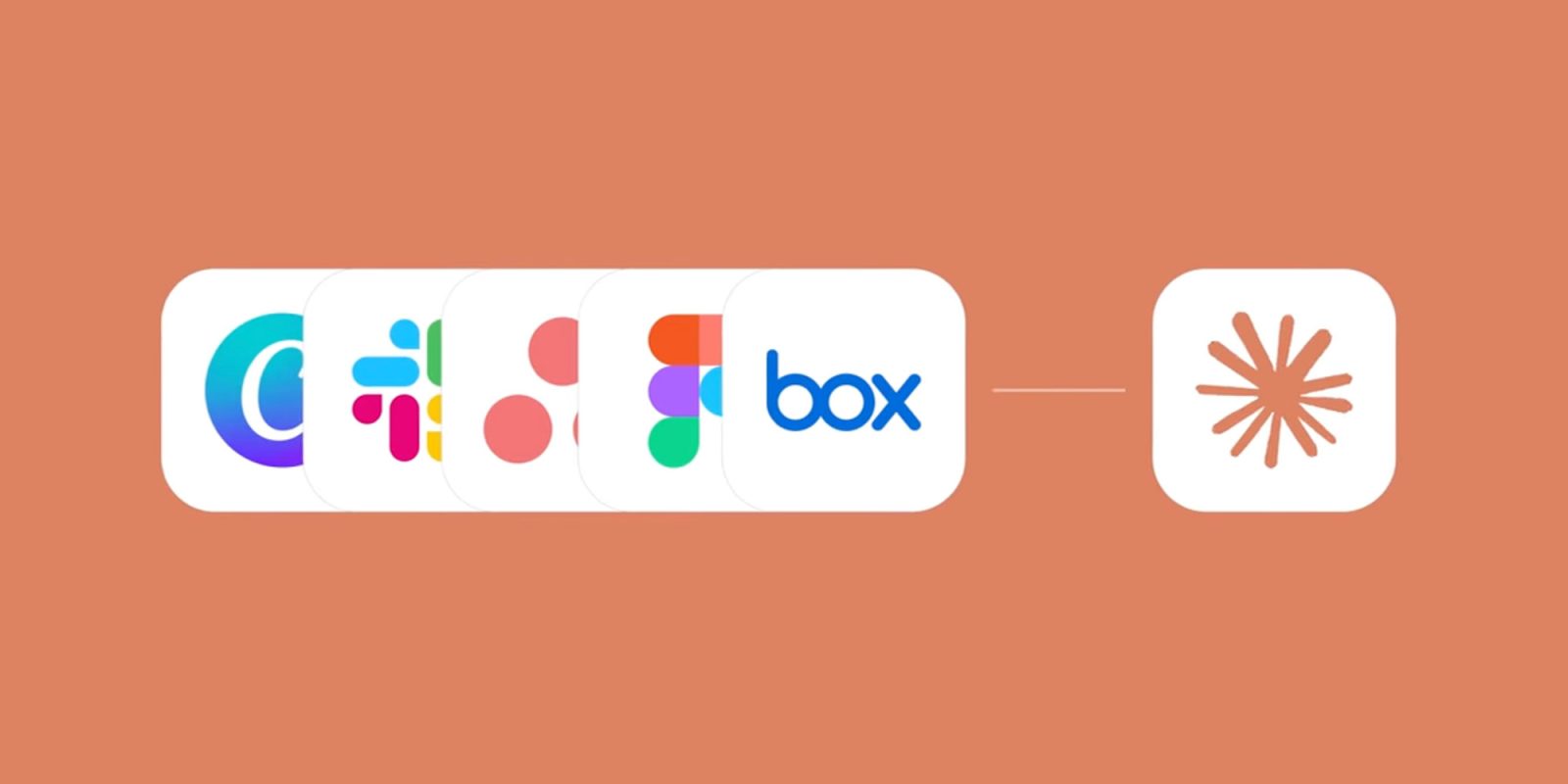
Anthropic has unveiled a significant enhancement to its AI assistant, Claude, by integrating nine widely-used productivity tools directly into its interface. This development allows users to interact with applications such as Slack, Figma, and Canva without leaving the Claude environment, streamlining workflows and boosting efficiency.
The Evolution of the Model Context Protocol (MCP)
In late 2024, Anthropic introduced the Model Context Protocol (MCP), an open-source initiative designed to bridge AI models with external tools and data sources. MCP has since become the industry standard for AI-driven productivity, enabling seamless interactions between AI agents and third-party platforms. Anthropic’s recent donation of MCP to the Linux Foundation’s Agentic AI Foundation underscores its commitment to fostering open standards and interoperability.
Interactive App Integrations in Claude
Building upon MCP, Anthropic has now integrated nine interactive applications into Claude:
– Amplitude: Users can build analytics charts, explore trends, and adjust parameters interactively to uncover insights.
– Asana: Conversations can be transformed into projects, tasks, and timelines that teams can execute within Asana.
– Box: Users can search for files, preview documents inline, and extract insights directly within Claude.
– Canva: Presentation outlines can be created and customized in real-time, facilitating the production of client-ready decks.
– Clay: The integration allows for company research, contact information retrieval, and drafting personalized outreach messages.
– Figma: Text and images can be converted into flow charts, Gantt charts, or other visual diagrams within FigJam.
– Hex: Users can pose data-related questions and receive answers accompanied by interactive charts and tables.
– monday.com: Work management is enhanced through project running, board updates, task assignments, and progress visualization.
– Slack (from Salesforce): Users can search and retrieve Slack conversations, draft messages, format them, and review before posting.
These integrations are currently available on Claude’s web and desktop platforms for Pro, Max, Team, and Enterprise subscribers. Integration into Claude Cowork is forthcoming.
The Open Standard MCP and Its Implications
The integrations are powered by the Model Context Protocol (MCP), an open standard developed by Anthropic to connect external tools with AI applications. MCP Apps, a new extension, allows any MCP server to provide interactive interfaces in supporting AI products, not limited to Claude. This open standard approach encourages developers to build interactive interfaces that can operate across multiple AI platforms, promoting a more cohesive and efficient user experience.
Anthropic’s Strategic Move in the AI Landscape
Anthropic’s integration of interactive apps into Claude aligns with a broader industry trend of transforming AI chatbots into comprehensive work platforms. This strategy mirrors similar moves by other AI labs, such as OpenAI, which has opened its ChatGPT to third-party developers, allowing applications to run directly inside the chat interface. Both companies are leveraging open standards like MCP to turn conversational AI from a novelty into a central hub of daily work.
Enhancing Productivity Through Seamless Integration
By embedding interactive app experiences directly into Claude, Anthropic aims to reduce the friction associated with switching between multiple applications. This integration allows users to perform tasks such as drafting Slack messages, updating project timelines in Asana, or creating designs in Canva without leaving the chat interface. The result is a more streamlined workflow that enhances productivity and collaboration.
Future Prospects and Industry Implications
The introduction of interactive app integrations into Claude represents a significant step forward in the evolution of AI assistants. By providing a unified interface for various productivity tools, Anthropic is setting a precedent for how AI can be seamlessly integrated into daily workflows. As the adoption of MCP continues to grow, it is likely that more applications will be integrated into AI platforms, further enhancing their utility and appeal.
Conclusion
Anthropic’s integration of interactive apps like Slack, Figma, and Canva into Claude marks a pivotal moment in the development of AI-driven productivity tools. By leveraging the open Model Context Protocol, Anthropic is not only enhancing the functionality of Claude but also promoting a more interconnected and efficient digital workspace. As AI continues to evolve, such integrations are poised to become standard features, transforming how we interact with technology in our professional lives.