The Imitation Game: Why Android Manufacturers Mirror Apple’s Designs
In the ever-evolving landscape of smartphone technology, a recurring phenomenon has emerged: Android manufacturers frequently adopting design elements and features reminiscent of Apple’s products. This trend raises questions about innovation, originality, and the driving forces behind such mimicry.
The Great Imitators
Several Android brands have garnered attention for their striking similarities to Apple’s designs. Companies like Huawei, Xiaomi, and even Samsung have, at times, introduced devices that closely resemble iPhones in both hardware aesthetics and software functionalities. This pattern isn’t new but has become more pronounced in recent years, leading to debates about the balance between inspiration and imitation.
A Question of Relevance
Apple’s ability to position its products as symbols of luxury and aspiration has set a benchmark in the tech industry. The company’s dominance in premium smartphone sales is evident, with its devices often leading the charts. This success creates a ripple effect, prompting competitors to emulate Apple’s strategies to capture a share of the lucrative high-end market. By integrating Apple-like features into their devices, Android manufacturers aim to attract consumers seeking premium experiences without the associated price tag.
The Apple Ripple Effect
Apple’s innovations often set industry standards, influencing not only consumer expectations but also the strategies of competing brands. When Apple introduces a new feature or design, it creates a ripple effect, prompting other manufacturers to adopt similar elements to remain competitive. This phenomenon underscores the tech industry’s interconnected nature, where one company’s advancements can shape the direction of the entire market.
Taking All the Wrong Things
The launch of iOS 26 introduced the Liquid Glass interface, a design departure that sparked mixed reactions. While some praised its innovation, others found it divisive. Despite the controversy, several Android manufacturers began incorporating similar design elements into their interfaces. This trend highlights a tendency to adopt Apple’s changes without fully considering their reception or suitability for the Android ecosystem.
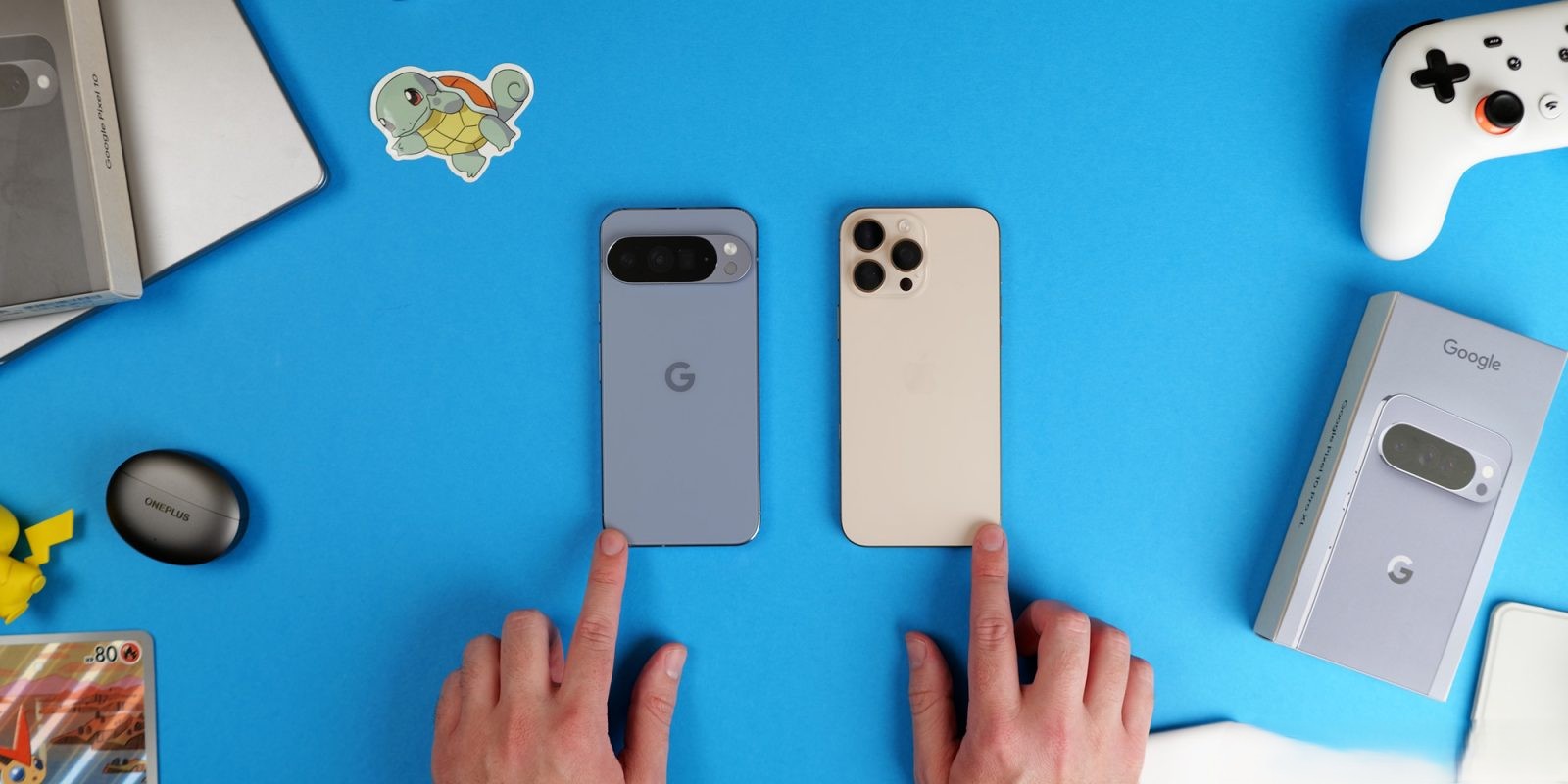
For instance, Google’s Pixel 10, while bearing a resemblance to the iPhone, offers a distinct software experience through its Material 3 Expressive design. This approach demonstrates that differentiation is possible without direct imitation. However, many Android brands overlook such opportunities, opting instead to replicate Apple’s designs, leading to a fragmented user experience that may not align with Google’s vision for Android.
Lowering the Cost of Innovation
Innovation in hardware and software is both challenging and costly. Developing new technologies requires significant investment in research and development. To mitigate these expenses, some manufacturers look to existing successful designs as templates. By emulating Apple’s features, they can reduce development time and costs, offering products that appeal to consumers familiar with Apple’s ecosystem. However, this strategy raises concerns about the authenticity and uniqueness of their offerings.
Let Android Be Android
The core strength of Android lies in its diversity and adaptability. The platform supports a wide range of devices, each offering unique features and experiences. By focusing on what makes Android distinct—such as customizable interfaces, diverse hardware options, and open-source flexibility—manufacturers can provide genuine alternatives to Apple’s products. Embracing these qualities allows Android to stand out, offering consumers choices that cater to varied preferences and needs.
Google’s Material 3 Expressive design language exemplifies this potential. It offers a playful and dynamic interface that reflects Android’s versatility. By encouraging manufacturers to adopt and build upon such frameworks, the Android ecosystem can strengthen its identity and appeal.
In conclusion, while drawing inspiration from successful competitors is a common practice in the tech industry, it’s essential for Android manufacturers to balance this with innovation and originality. By leveraging the unique strengths of the Android platform and focusing on genuine advancements, they can offer compelling alternatives that resonate with consumers seeking diversity and authenticity in their devices.