Android Auto Users Face Mounting Frustrations as Google Assistant Deteriorates Amid Delayed Gemini Rollout
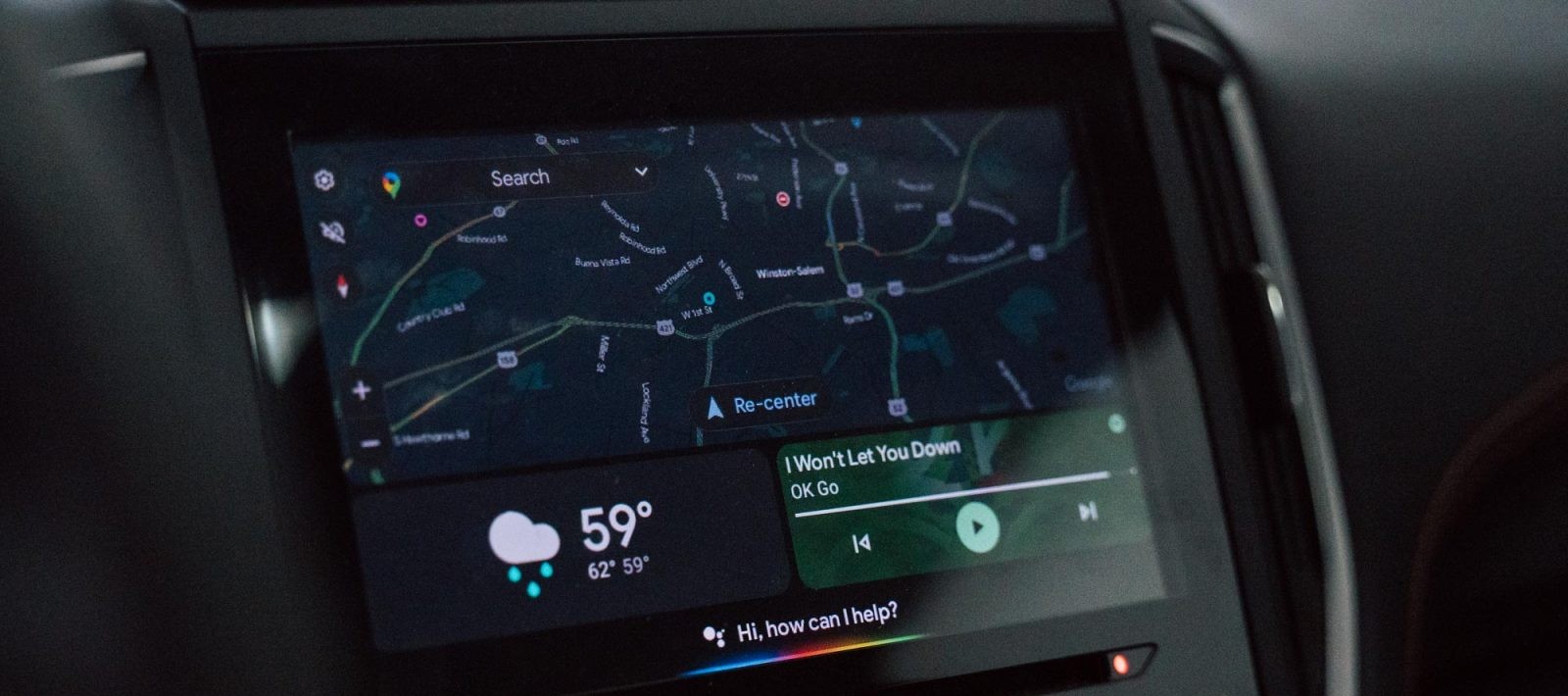
As Google shifts its focus to the development and deployment of Gemini, its next-generation AI assistant, users of Android Auto are increasingly encountering issues with the existing Google Assistant. This transition period has led to a noticeable decline in the performance of Google Assistant within the Android Auto ecosystem, causing significant frustration among drivers who rely on voice commands for a safer and more efficient driving experience.
The Promise of Gemini
In November 2025, Google announced plans to integrate Gemini into Android Auto, aiming to provide a more interactive and responsive AI assistant for drivers. This new assistant is designed to offer enhanced conversational capabilities, acting as a brainstorming partner and providing more nuanced responses to user queries. Early adopters have reported mixed experiences; while some appreciate Gemini’s interactive nature, others have noted issues such as the AI continuing to speak after a task has been completed, requiring manual intervention to stop it.
The Current State of Google Assistant
Despite the anticipation surrounding Gemini, its rollout has been gradual, leaving many users still dependent on Google Assistant. However, the performance of Google Assistant on Android Auto has been deteriorating. Users have reported frequent instances where the assistant fails to understand basic commands, responds with I didn’t understand that, or does not execute tasks as expected. These issues have been highlighted in various user forums, with many expressing their dissatisfaction and the challenges they face due to these shortcomings.
User Experiences and Safety Concerns
The decline in Google Assistant’s functionality has significant implications for driver safety and convenience. Voice commands are a critical feature of Android Auto, allowing drivers to perform tasks hands-free and keep their attention on the road. With the assistant’s reduced reliability, drivers are often forced to use touchscreens or their smartphones to accomplish tasks, increasing the risk of distraction-related incidents.
Google’s Response and the Path Forward
Google has acknowledged the issues with Google Assistant and is actively working on the transition to Gemini. The company has stated that the upgrade to Gemini on mobile devices will continue into 2026 to ensure a seamless transition. In the meantime, users are encouraged to provide feedback on their experiences to help Google address these issues more effectively.
Conclusion
The current state of Google Assistant on Android Auto underscores the challenges inherent in transitioning to a new AI platform. While Gemini promises a more advanced and interactive experience, the slow rollout and existing issues with Google Assistant have left many users in a state of frustration. It is imperative for Google to expedite the deployment of Gemini and address the ongoing issues with Google Assistant to ensure that drivers have a reliable and safe voice assistant experience.