Android 16 QPR3 Update: Pixel Launcher Reverts to Previous Search Bar Design
In December 2025, Google replaced the Pixel Launcher’s native search functionality with the Google app, marking a significant shift in user experience. The March 2026 update for Android 16 QPR3 further alters the interface by removing the Material 3 Expressive (M3 Expressive) design from the Pixel Launcher’s search bar, reinstating the previous layout.
The M3 Expressive design, introduced last year, featured a streamlined appearance with the ‘G’ logo, microphone, and Lens icons grouped together in a container, while the AI Mode shortcut was positioned separately in a circular button to the right. This arrangement was encapsulated within a pill-shaped container with a lighter background, offering a modern and organized look.
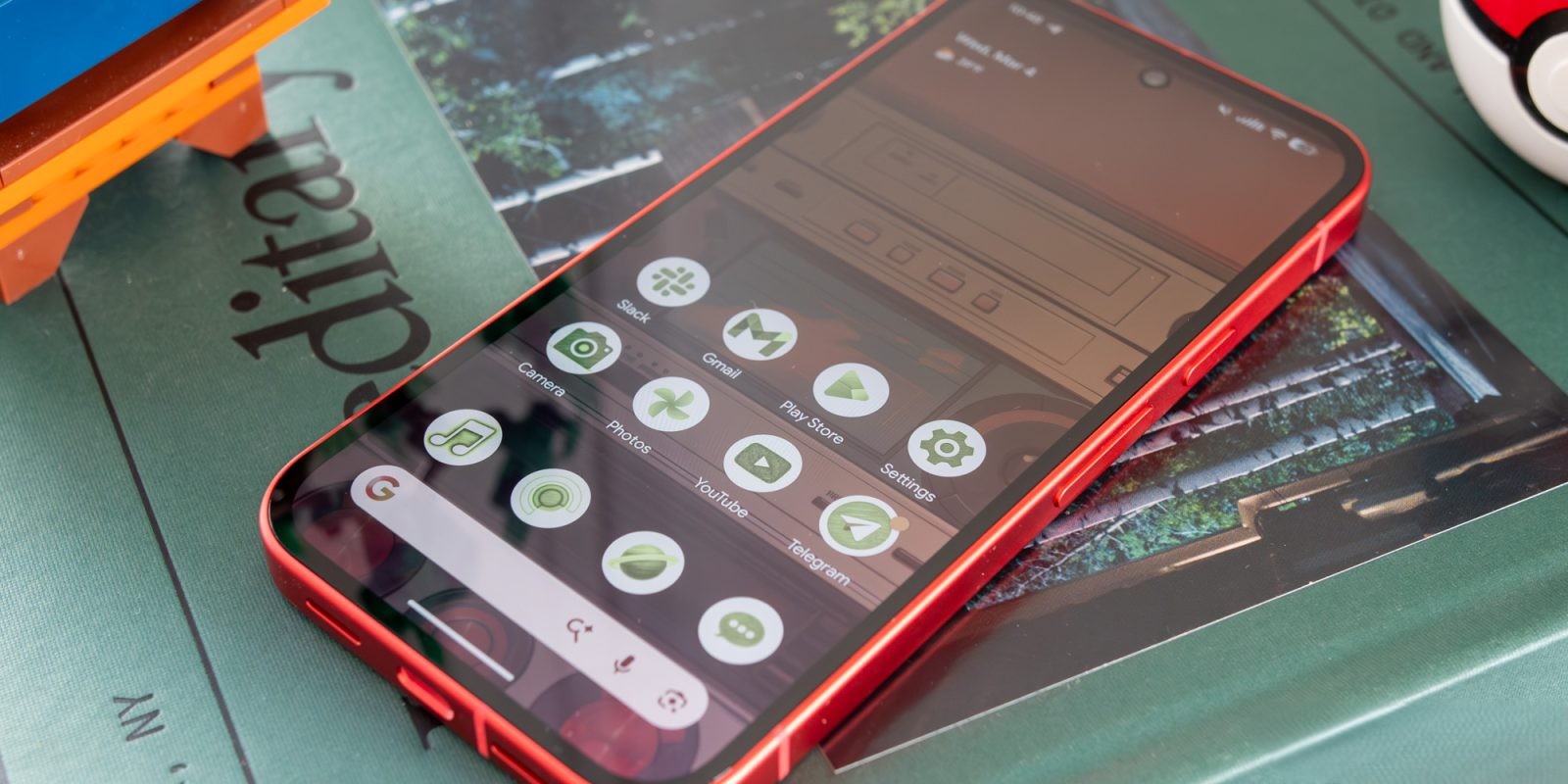
With the Android 16 QPR3 update, this design has been rolled back. The search bar now consolidates all elements into a single container, placing the AI Mode shortcut to the left of the microphone. This side-by-side alignment of three icons results in a more cluttered appearance, lacking the visual separation that the previous design provided.
A notable functional change accompanying this redesign is the ability to customize the AI Mode shortcut. By long-pressing on the search bar, users can now select from various options, including Live, Translate (text), Song Search, Weather, Translate (camera), Sports, Dictionary, Homework, Finance, Saved, and News. Additionally, there is an option to disable the shortcut entirely, offering greater personalization.
This update aligns the Pixel Launcher’s search bar with the Google app’s Search homescreen widget, which had previously adopted a similar design. The integration of the Google app into the Pixel Launcher search experience underscores Google’s emphasis on AI Mode integration, positioning the search bar as a central hub for AI-driven functionalities.
The reversion to the previous design was initially observed in Android 17 Beta 1 but was temporarily reverted in Beta 2. Its reappearance in the Android 16 QPR3 update suggests that this change is intended to be permanent, reflecting Google’s commitment to a unified and consistent search experience across its platforms.