AMD Introduces Cutting-Edge AI Processors for Enhanced Computing and Gaming at CES 2026
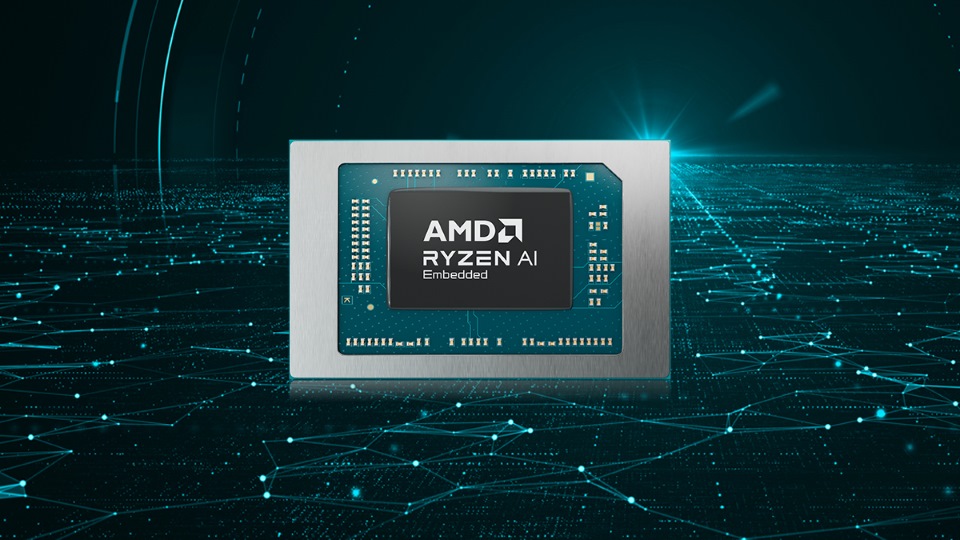
At the forefront of technological innovation, AMD has unveiled its latest advancements in AI-powered processors during the CES 2026 keynote. CEO Lisa Su emphasized the company’s commitment to democratizing artificial intelligence, stating, AI for everyone. This vision materializes through the introduction of the AMD Ryzen AI 400 Series processors, designed to revolutionize personal computing experiences.
Ryzen AI 400 Series: A Leap in Performance
The newly announced Ryzen AI 400 Series processors represent a significant upgrade over their predecessors. These chips boast 12 CPU cores and 24 threads, facilitating enhanced multitasking capabilities. AMD reports that these processors deliver 1.3 times faster multitasking performance and 1.7 times faster content creation speeds compared to competitors. This performance boost is poised to benefit a wide range of users, from professionals handling complex workflows to gamers seeking seamless experiences.
Building on a Legacy of Innovation
Since the inception of the Ryzen processor series in 2017, AMD has consistently pushed the boundaries of computing performance. The Ryzen AI 400 Series builds upon the foundation laid by the Ryzen AI 300 Series, introduced in 2024, by integrating advanced AI capabilities directly into the hardware. This integration allows for more efficient processing of AI tasks, reducing reliance on cloud-based solutions and enhancing privacy and responsiveness.
Expanding the AI PC Ecosystem
Rahul Tikoo, Senior Vice President and General Manager of AMD’s Client Business, highlighted the rapid growth of AI PC platforms. AMD has expanded to over 250 AI PC platforms, Tikoo noted, marking a twofold increase over the past year. This expansion underscores the growing demand for AI-enhanced computing solutions across various sectors, including education, healthcare, and creative industries.
The Future of Personal Computing
Tikoo elaborated on the transformative potential of AI in personal computing: In the years ahead, AI is going to be a multi-layered fabric that gets woven into every level of computing at the personal layer. Our AI PCs and devices will transform how we work, how we play, how we create, and how we connect with each other. This vision suggests a future where AI seamlessly integrates into daily computing tasks, offering personalized and context-aware experiences.
Introducing the Ryzen 7 9850X3D for Gamers
In addition to the Ryzen AI 400 Series, AMD announced the Ryzen 7 9850X3D processor, tailored specifically for gaming enthusiasts. This processor is engineered to deliver exceptional performance in gaming scenarios, leveraging AMD’s 3D V-Cache technology to enhance frame rates and reduce latency. Gamers can anticipate a more immersive and responsive gaming experience, even in the most demanding titles.
Advancements in Graphics: Redstone Ray Tracing Technology
AMD also introduced the latest iteration of its Redstone ray tracing technology. This advancement simulates the physical behavior of light, enabling more realistic and dynamic lighting effects in video games. Importantly, Redstone achieves this without compromising performance or speed, ensuring that gamers experience high-quality visuals without lag.
Availability and Market Impact
PCs equipped with the Ryzen AI 400 Series processors and the Ryzen 7 9850X3D are slated for release in the first quarter of 2026. This timely launch positions AMD to meet the growing demand for AI-enhanced computing solutions. The integration of these processors into consumer devices is expected to set new standards for performance and efficiency in both general computing and gaming markets.
The Broader Implications of AI Integration
The introduction of AI-centric processors by AMD reflects a broader industry trend towards embedding artificial intelligence directly into hardware. This shift offers several advantages:
1. Enhanced Performance: On-device AI processing reduces latency and improves the responsiveness of applications, leading to smoother user experiences.
2. Improved Privacy: Processing data locally minimizes the need to transmit sensitive information to external servers, thereby enhancing user privacy.
3. Energy Efficiency: AI-optimized processors can perform complex tasks more efficiently, potentially reducing energy consumption and extending device battery life.
Challenges and Considerations
While the integration of AI into processors offers numerous benefits, it also presents challenges:
– Software Optimization: Developers must adapt and optimize software to fully leverage the capabilities of AI-enhanced hardware.
– Cost Implications: Advanced processors may come at a higher price point, potentially impacting affordability for some consumers.
– Security Concerns: As AI becomes more integral to computing, ensuring the security of AI models and data becomes paramount.
Conclusion
AMD’s unveiling of the Ryzen AI 400 Series and the Ryzen 7 9850X3D processors at CES 2026 marks a significant milestone in the evolution of personal computing. By embedding advanced AI capabilities directly into their processors, AMD is not only enhancing performance but also paving the way for more intelligent and responsive computing experiences. As these processors become available, they are poised to redefine expectations in both general computing and gaming, solidifying AMD’s position as a leader in the semiconductor industry.