Amazon Fire TV’s New Homescreen Redesign Mirrors Google TV’s Interface
In a significant update announced at CES 2026, Amazon is set to roll out a redesigned homescreen for its Fire TV devices, drawing notable parallels to the existing Google TV interface. This overhaul aims to provide a cleaner, faster, and more organized user experience.
Key Features of the Redesign:
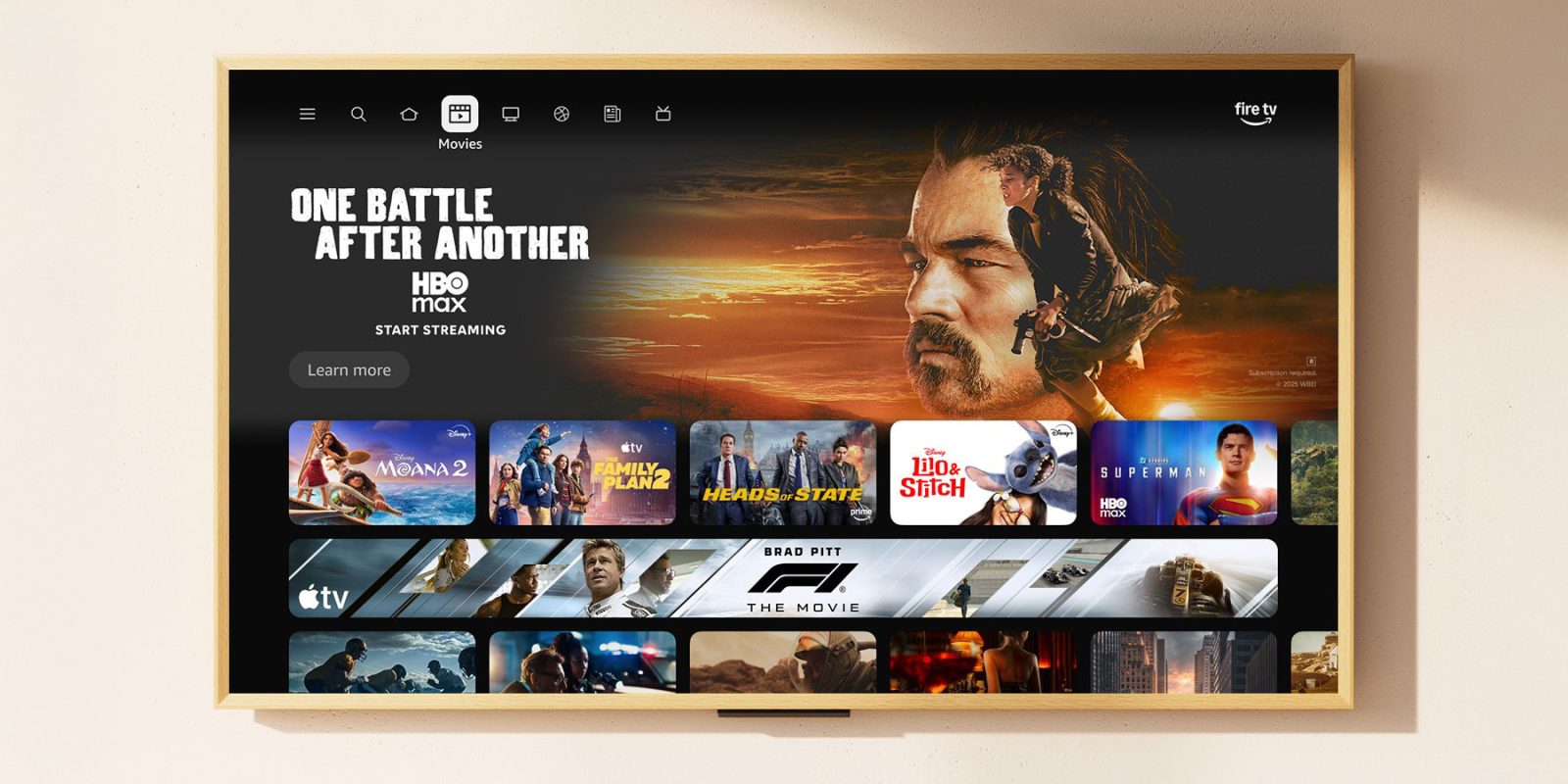
– Top Navigation Bar: The new design introduces a navigation bar at the top of the screen, facilitating easy access to various sections.
– Featured Content Display: The main portion of the screen is dedicated to showcasing featured content, enhancing content discovery.
– Content Recommendations: Below the featured section, users will find a row of personalized content recommendations.
– App Accessibility: A horizontally scrolling list of installed apps is positioned beneath the recommendations, allowing for quick access.
These elements closely resemble the layout and functionality of Google TV’s interface, indicating Amazon’s strategic alignment with industry standards.
Performance Enhancements:
Amazon reports that the underlying code has been rebuilt, resulting in a 20–30% increase in speed for certain operations. Additionally, the number of apps that can be pinned to the homescreen has been expanded from six to twenty, offering users greater customization options.
Additional Features:
– Quick Settings Panel: A new long-press shortcut for the Home button on Fire TV remotes opens a panel that includes quick settings and smart home device management, mirroring a similar feature on Google TV.
– Mobile App Redesign: The Fire TV mobile app is also receiving an update, enabling users to browse content, manage their watchlist, and control playback on their TV, akin to the functionality offered by the Google TV app.
Availability:
The redesigned homescreen will begin rolling out in February to select devices, including the Fire TV Stick 4K Plus, Fire TV Stick 4K Max (2nd Gen), and Fire TV Omni Mini-LED Series in the United States, with plans to expand to additional devices and regions subsequently.