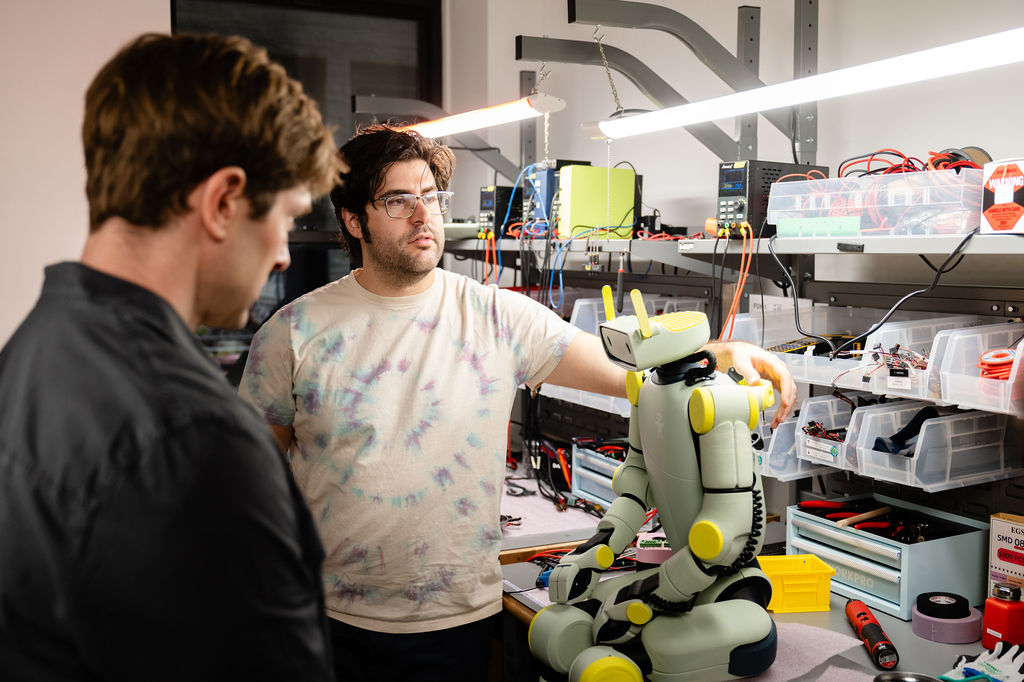
Amazon’s Strategic Acquisition of Fauna Robotics: A Leap into Humanoid Robotics
In a significant move that underscores its commitment to advancing robotics technology, Amazon has acquired Fauna Robotics, a startup specializing in the development of child-sized humanoid robots. This acquisition marks a pivotal step in Amazon’s ongoing efforts to integrate sophisticated robotics into its operations and consumer offerings.
The Genesis of Fauna Robotics
Founded two years ago by former engineers from Meta and Google, Fauna Robotics has rapidly emerged as a notable player in the robotics industry. The company’s flagship product, Sprout, is a 59-pound bipedal robot designed to emulate human-like movements and interactions. Earlier this year, Fauna began shipping Sprout to select research and development partners, showcasing its potential applications in various sectors.
Amazon’s Vision for Robotics Integration
Amazon’s interest in Fauna Robotics aligns with its broader strategy to enhance automation and efficiency within its vast operational network. An Amazon spokesperson expressed enthusiasm about the acquisition, stating, We are excited about Fauna’s vision to build capable, safe, and fun robots for everyone. Together with Amazon’s robotics expertise and decades of experience earning customer trust in the home through our retail and devices businesses, we’re looking forward to inventing new ways to make our customers’ lives better and easier.
A History of Robotics Investments
This acquisition is not Amazon’s first foray into the robotics domain. The company has a history of strategic investments aimed at bolstering its technological capabilities:
– Kiva Systems Acquisition (2012): Amazon’s purchase of Kiva Systems marked its initial major investment in warehouse automation, leading to the deployment of robotic systems that revolutionized order fulfillment processes.
– Canvas Technology Acquisition (2019): By acquiring Canvas Technology, Amazon enhanced its autonomous warehouse robotics, integrating advanced navigation and safety features into its logistics operations.
– Zoox Acquisition (2020): Amazon’s acquisition of autonomous driving startup Zoox signaled its interest in self-driving vehicle technology, potentially impacting both delivery services and broader transportation initiatives.
– Bee Acquisition (2025): The purchase of Bee, an AI wearable startup, indicated Amazon’s intent to expand its presence in the consumer electronics and personal assistant markets.
The Competitive Landscape in Humanoid Robotics
Amazon’s acquisition of Fauna Robotics occurs amidst a dynamic period in the humanoid robotics industry:
– 1X’s Acquisition of Kind Humanoid (2025): Backed by OpenAI, 1X acquired Kind Humanoid, emphasizing the growing interest in developing human-like robots capable of complex tasks.
– Apptronik’s Funding Milestone (2026): Apptronik, a humanoid robot startup, raised $935 million at a valuation exceeding $5 billion, reflecting significant investor confidence in the sector.
– Mobileye’s Acquisition of Mentee Robotics (2026): Mobileye’s $900 million acquisition of Mentee Robotics highlights the intersection of autonomous driving technology and humanoid robotics.
Implications for Amazon’s Future Endeavors
The integration of Fauna Robotics into Amazon’s ecosystem presents several potential developments:
– Enhanced Customer Interaction: Humanoid robots like Sprout could revolutionize customer service, providing interactive and personalized experiences in retail environments.
– Advanced Home Automation: Incorporating humanoid robots into Amazon’s suite of smart home devices could offer users more intuitive and versatile automation solutions.
– Logistics and Fulfillment Optimization: Deploying humanoid robots in warehouses may further streamline operations, improving efficiency and reducing reliance on human labor for repetitive tasks.
Challenges and Considerations
While the acquisition holds promise, Amazon must navigate several challenges:
– Technological Integration: Ensuring seamless integration of Fauna’s technology with existing systems will be crucial for operational success.
– Ethical and Privacy Concerns: The deployment of humanoid robots raises questions about privacy, data security, and the ethical implications of human-robot interactions.
– Regulatory Compliance: Adhering to regulations governing robotics and AI will be essential to avoid legal hurdles and maintain public trust.
Conclusion
Amazon’s acquisition of Fauna Robotics signifies a strategic investment in the future of humanoid robotics, positioning the company at the forefront of technological innovation. As Amazon continues to expand its robotics capabilities, the integration of human-like robots into various facets of its operations could redefine customer experiences and operational efficiencies. However, the success of this venture will depend on Amazon’s ability to address technological, ethical, and regulatory challenges inherent in the deployment of advanced robotics.