Bridging the AI Skills Divide: Navigating the Future of Work
The rapid integration of artificial intelligence (AI) into various sectors is reshaping the professional landscape, introducing both unprecedented opportunities and significant challenges. A recent study by Anthropic, a leading AI research organization, highlights a burgeoning skills gap that could redefine employment dynamics in the near future.
Current Employment Landscape Amidst AI Integration
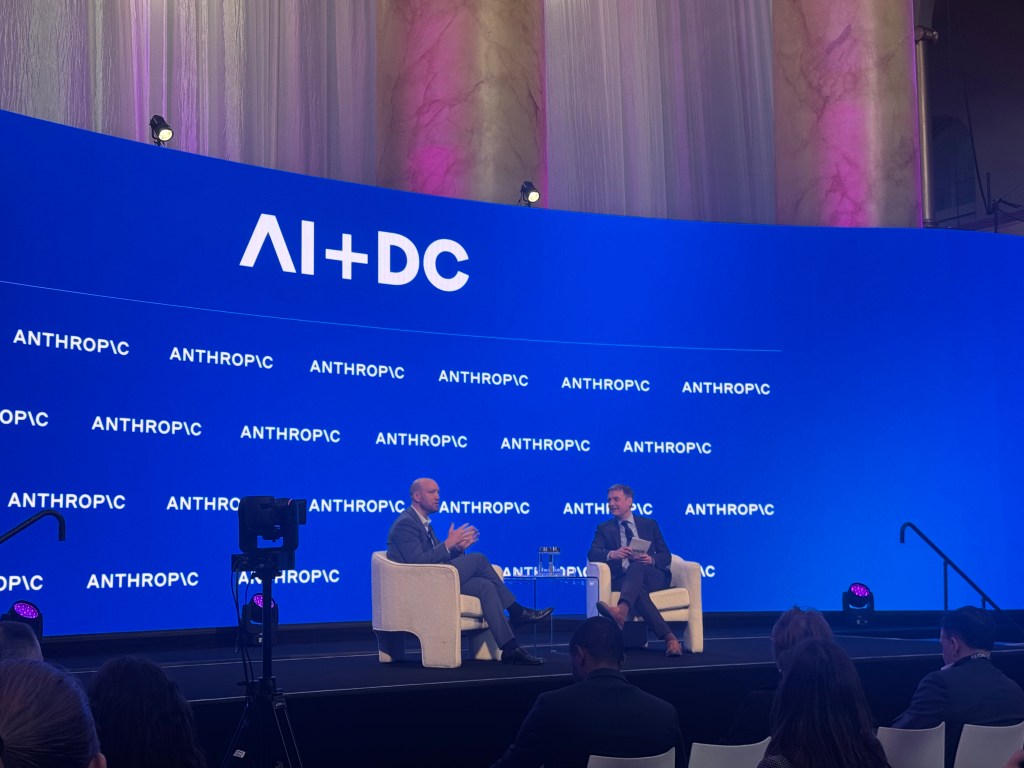
Anthropic’s latest economic impact report indicates that, as of now, AI has not led to widespread job displacement. Peter McCrory, Anthropic’s head of economics, notes that unemployment rates remain consistent across professions, regardless of their exposure to AI technologies. This suggests that, at present, AI’s influence on employment is relatively balanced.
However, this equilibrium may be temporary. Anthropic’s CEO, Dario Amodei, projects that within the next five years, AI could potentially eliminate up to 50% of entry-level white-collar jobs, potentially driving unemployment rates to 20%. This forecast underscores the urgency for proactive measures to address the impending shifts in the job market.
The Emergence of the AI Skills Gap
A critical concern is the widening skills gap between individuals proficient in AI tools and those who are not. Early adopters and power users of AI technologies are gaining a competitive edge, leveraging these tools to enhance productivity and innovation. Conversely, individuals and organizations lagging in AI adoption risk obsolescence, as they may struggle to keep pace with evolving industry standards.
This disparity is particularly pronounced among younger workers entering the workforce. Without adequate AI literacy, these individuals may find themselves at a disadvantage, unable to meet the demands of an increasingly AI-driven job market.
Strategic Responses to the AI Skills Challenge
To mitigate the risks associated with the AI skills gap, several strategies are being implemented:
1. Educational Initiatives: Integrating AI education into academic curricula is essential. By equipping students with foundational AI knowledge, educational institutions can prepare the next generation for the evolving job landscape. For instance, OpenAI has partnered with higher education institutions in India to incorporate AI into core academic functions, aiming to reach over 100,000 students, faculty, and staff. ([techcrunch.com](https://techcrunch.com/2026/02/18/openai-pushes-into-higher-education-as-india-seeks-to-scale-ai-skills/?utm_source=openai))
2. Corporate Training Programs: Companies are investing in upskilling their workforce to ensure employees can effectively utilize AI tools. IBM, for example, plans to triple its entry-level hiring in the U.S. in 2026, focusing on roles that emphasize human interaction and customer engagement, areas where AI cannot easily replace human workers. ([techcrunch.com](https://techcrunch.com/2026/02/12/ibm-will-hire-your-entry-level-talent-in-the-age-of-ai/?utm_source=openai))
3. Public-Private Partnerships: Collaborations between governments and private entities can facilitate large-scale AI training programs, ensuring a broader segment of the population gains access to necessary skills.
4. Continuous Learning Platforms: Online platforms offering AI courses and certifications enable professionals to continually update their skills, fostering a culture of lifelong learning.
The Role of Policy and Governance
Policymakers play a pivotal role in addressing the AI skills gap. By developing frameworks that promote AI education and training, governments can ensure that the workforce remains adaptable. Additionally, monitoring AI’s impact on employment can inform timely interventions to support displaced workers.
Conclusion
The integration of AI into the workplace is an irreversible trend that offers both challenges and opportunities. Proactively addressing the AI skills gap through education, training, and policy initiatives is crucial to ensure that the workforce remains competitive and resilient in the face of technological advancements.
Twitter Post: The AI revolution is here, and with it comes a growing skills gap. Discover how education, corporate training, and policy can bridge this divide. #AI #FutureOfWork #SkillsGap
Focus Key Phrase: AI skills gap
Article X Post:
Hashtags:
Article Key Phrase:
Category: Tech News