Reimagining Orson Welles’ Lost Masterpiece: The AI Revival of The Magnificent Ambersons
In the autumn of last year, the tech startup Fable unveiled an ambitious endeavor: to reconstruct the missing 43 minutes of Orson Welles’ 1942 film, The Magnificent Ambersons, utilizing generative artificial intelligence. This announcement initially sparked skepticism and debate among film enthusiasts and critics alike. However, recent insights have shed light on the project’s motivations and methodologies, revealing a deep-seated reverence for Welles’ original vision.
The Allure of The Magnificent Ambersons
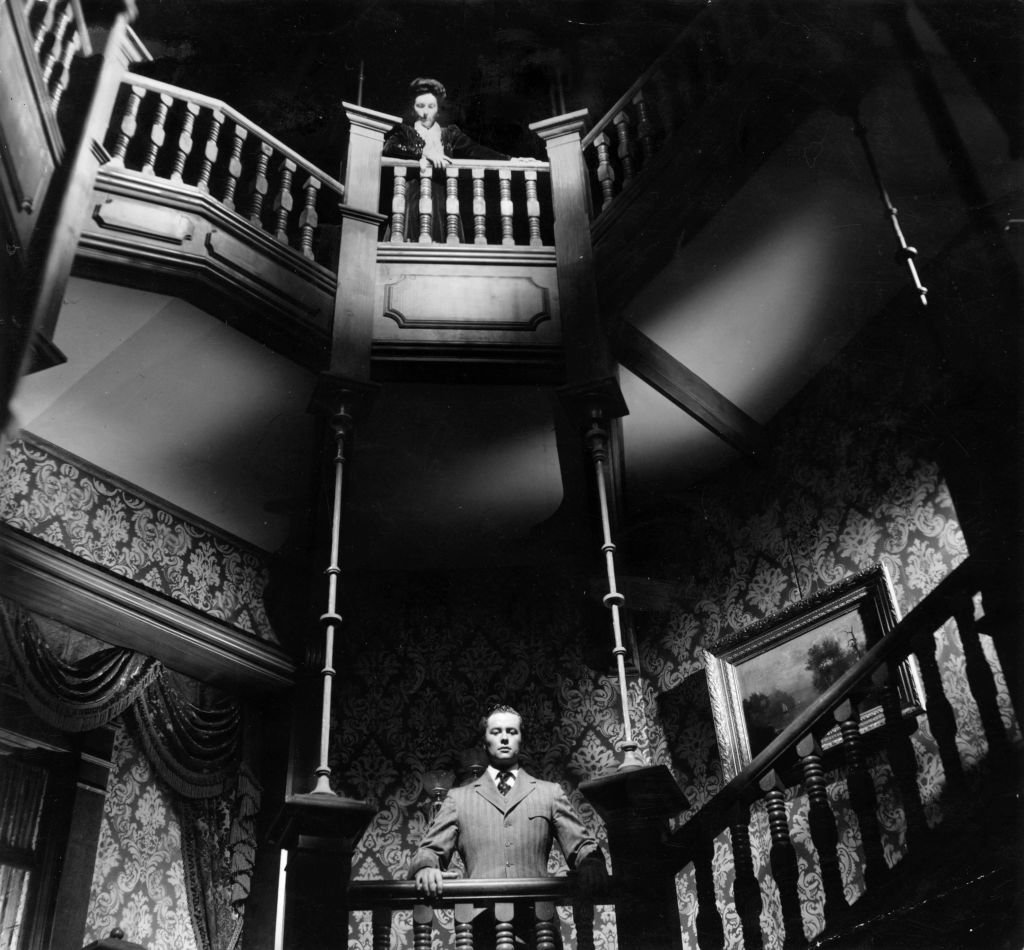
While Citizen Kane often overshadows it, The Magnificent Ambersons holds a unique place in cinematic history. Welles himself regarded it as a superior work, stating it was a much better picture than Kane. Unfortunately, after a poorly received test screening, the studio intervened, excising 43 minutes and altering the ending to a more upbeat conclusion. The removed footage was subsequently destroyed, leaving cinephiles to ponder the film’s original form.
Edward Saatchi’s Vision
Edward Saatchi, founder of Fable and son of one of the creators of the renowned advertising firm Saatchi & Saatchi, grew up immersed in cinema. His parents’ passion for film introduced him to Ambersons at the age of twelve. This early exposure ignited a lifelong fascination with Welles’ work. Saatchi views the lost footage as the holy grail of lost cinema and believes that modern technology offers a pathway to restore what was lost.
Collaborative Efforts with Brian Rose
Fable’s initiative builds upon the foundation laid by filmmaker Brian Rose, who dedicated years to recreating the missing scenes through animation, guided by the original script, photographs, and Welles’ notes. Despite his dedication, Rose’s animated reconstructions left audiences puzzled. Fable aims to enhance this approach by filming live-action sequences and overlaying them with digital recreations of the original cast, striving for a more authentic restoration.
Technological Challenges and Ethical Considerations
The project is not without its hurdles. Early AI-generated footage presented anomalies, such as a two-headed depiction of actor Joseph Cotten. Additionally, the AI’s tendency to portray female characters with inappropriate expressions of happiness posed challenges in capturing the film’s intended emotional depth. Beyond technical issues, the endeavor raises ethical questions about recreating art without the original creators’ input. Saatchi acknowledges the oversight of not consulting Welles’ estate prior to the project’s announcement and is actively seeking their support, as well as that of Warner Bros., the film’s rights holder.
Diverse Perspectives
Reactions to the project vary. Beatrice Welles, the director’s daughter, remains cautious but recognizes the team’s respect for her father’s work. Conversely, Melissa Galt, daughter of actress Anne Baxter, expresses reservations, emphasizing the distinction between original art and its reinterpretations. Critics also draw parallels between AI’s role in art and themes from literature, suggesting that the essence of art is intertwined with human experience and mortality.
Conclusion
Fable’s endeavor to resurrect the lost segments of The Magnificent Ambersons exemplifies the intersection of technology and art. While the project is driven by a profound admiration for Welles’ original vision, it navigates a complex landscape of technical challenges and ethical debates. As the initiative progresses, it prompts a broader discussion on the role of AI in preserving and reimagining cultural heritage.