Bridging the Gender Divide in AI: Rana el Kaliouby’s Call to Action
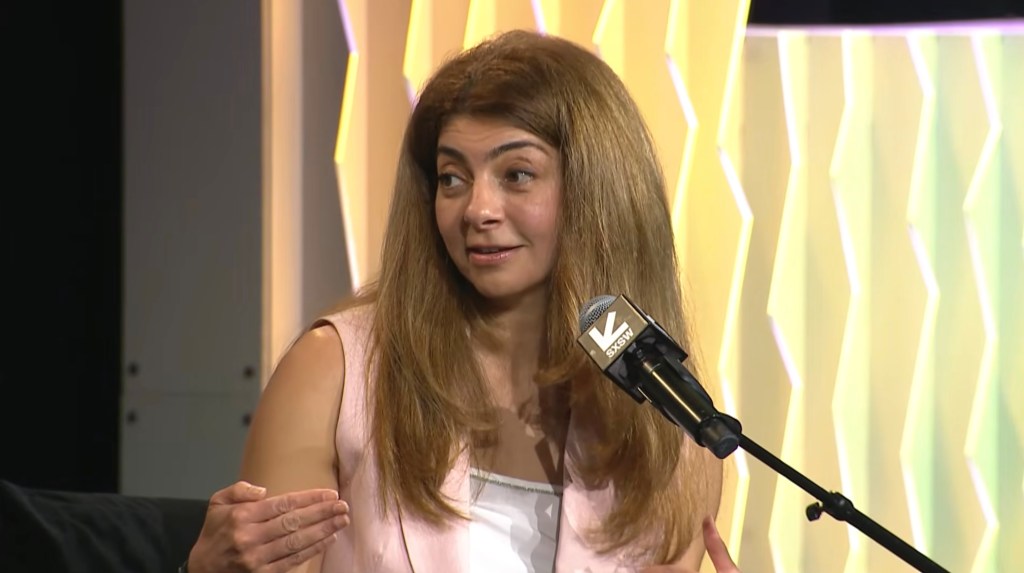
At the recent SXSW conference in Austin, AI scientist, entrepreneur, and investor Rana el Kaliouby expressed deep concern over the gender disparities within the artificial intelligence (AI) sector. She highlighted that the current male-dominated landscape could exacerbate economic inequalities for women in technology.
AI today is a boys’ club, el Kaliouby stated. Diversity might not be a popular conversation topic these days, but it’s crucial because AI is creating incredible economic opportunities.
El Kaliouby, who sold her emotion-detection software company Affectiva in 2021 and now serves as co-founder and general partner at Blue Tulip Ventures, emphasized her commitment to supporting female entrepreneurs. She noted that three out of four investments at her firm are directed toward startups led by women CEOs.
I don’t ‘just’ invest in women, she clarified. But I actively seek out these women founders and support them, whether through funding or other means, because they’re not receiving the opportunities they deserve.
El Kaliouby warned that excluding women from AI—whether through lack of founding opportunities, insufficient funding, or limited investment in relevant funds—could significantly widen the economic gap in the coming years.
If women are left out… we’re going to look back five years from now or a decade from now, and… we’re going to have widened the economic gap like crazy. So this is something that really concerns me, she noted.
Her remarks come in the wake of the Trump administration’s rollback of Diversity, Equity, and Inclusion (DEI) programs, a shift that has impacted the tech industry’s approach to diversity. These changes influence not only hiring practices but also product development within AI, as companies may feel compelled to align their models’ outputs with prevailing governmental priorities.
El Kaliouby stressed that the lack of diversity in AI isn’t solely an economic issue but also affects the quality and inclusivity of technological outcomes.
I do think we are living in a very exciting time. But I also feel strongly that if we don’t intervene… we’re going to have widened the economic gap like crazy, she reiterated.
Her call to action underscores the urgent need for inclusive practices in AI development and investment to ensure equitable economic opportunities and diverse technological advancements.