AI Industry’s Multi-Million Dollar Campaign Targets Former Tech Executive’s Congressional Bid
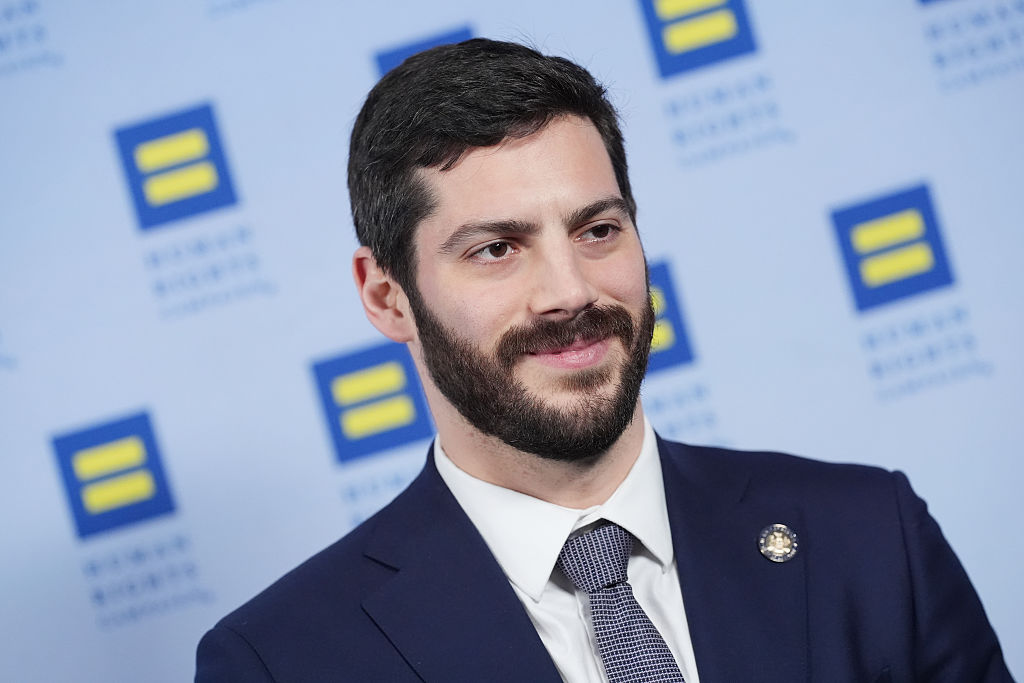
In the heated political landscape of New York’s 12th congressional district, former tech executive and current Assembly member Alex Bores finds himself at the center of a contentious battle. A coalition of prominent AI companies and Silicon Valley investors has launched a multi-million dollar campaign to thwart his congressional aspirations.
The Genesis of the Conflict
Alex Bores, who previously held a position at Palantir Technologies, a company known for its data analytics and AI solutions, is now facing opposition from his former industry peers. The super PAC Leading the Future, backed by influential figures such as Palantir co-founder Joe Lonsdale, OpenAI President Greg Brockman, venture capital firm Andreessen Horowitz, and AI search startup Perplexity, has amassed a formidable $125 million war chest. Their mission is clear: to challenge candidates like Bores who advocate for stringent AI regulations.
The RAISE Act: A Catalyst for Contention
Central to this political skirmish is the Responsible AI Safety and Ethics (RAISE) Act, a piece of legislation championed by Bores. Enacted in December, the RAISE Act mandates that AI companies with revenues exceeding $500 million develop and adhere to publicly available safety plans. Additionally, these companies are required to report any significant safety incidents. This move has been perceived by many in the tech industry as a direct challenge to the autonomy and rapid innovation pace they cherish.
The Advertising Onslaught
The campaign against Bores has been aggressive. Advertisements funded by Leading the Future have spotlighted his tenure at Palantir, emphasizing the company’s controversial collaborations with U.S. Immigration and Customs Enforcement (ICE). These ads allege that Bores profited substantially from developing technologies that facilitated deportations. However, Bores has publicly refuted these claims, stating that he resigned from Palantir in 2019 specifically due to its association with ICE operations.
Bores’ Stance and Response
Undeterred by the onslaught, Bores remains steadfast in his commitment to AI regulation. He argues that his deep understanding of technology, stemming from his background in computer science and experience in the tech sector, positions him uniquely to advocate for responsible AI policies. Bores emphasizes that his legislative efforts aim to balance innovation with ethical considerations, ensuring that AI advancements benefit society without compromising safety or ethical standards.
The Broader Implications
This confrontation underscores a growing tension between the tech industry’s desire for minimal regulatory interference and the push for accountability and transparency in AI development. As AI technologies become increasingly integrated into various facets of daily life, the debate over their governance intensifies. The outcome of Bores’ congressional bid could set a precedent for how AI regulation is approached at the federal level, influencing the trajectory of AI policy in the United States.