Unlocking Deeper Heart Insights: AI Enhances Apple Watch’s Optical Sensor Capabilities
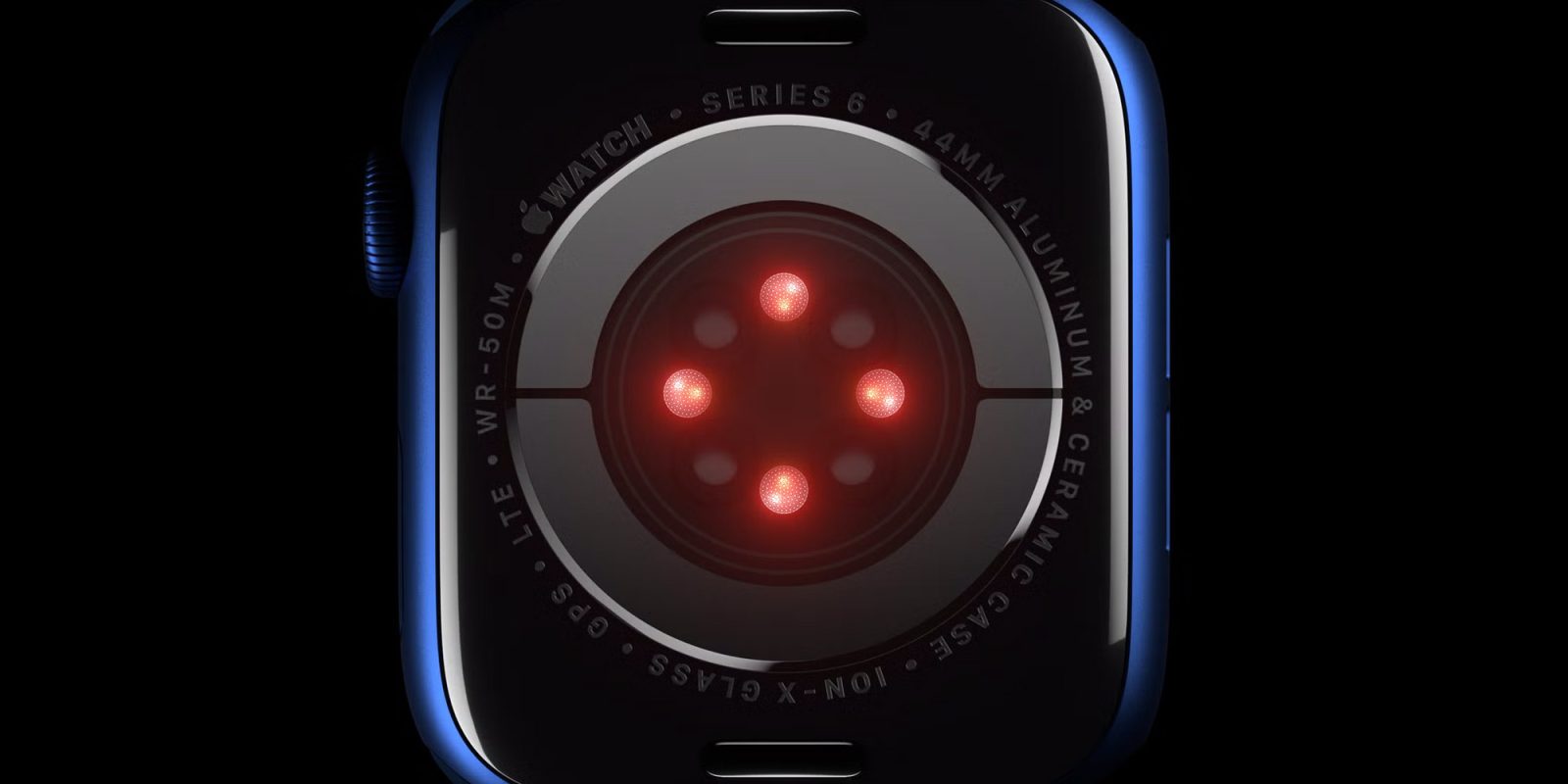
Recent advancements in artificial intelligence (AI) are poised to significantly enhance the Apple Watch’s ability to monitor cardiovascular health. A new study demonstrates how AI can extract more detailed heart data from the device’s optical sensor, potentially transforming personal health monitoring.
Background: The Evolution of Apple Watch’s Health Features
Since its inception, the Apple Watch has progressively integrated health monitoring features. Notably, the introduction of hypertension notifications in watchOS 26 marked a significant step. This feature utilizes the watch’s optical heart sensor to analyze blood vessel responses over 30-day periods, alerting users to consistent signs of hypertension. While not a diagnostic tool, Apple anticipates that this feature could notify over a million individuals with undiagnosed hypertension within its first year.
The Study: AI and Optical Sensors
A recent paper titled Hybrid Modeling of Photoplethysmography for Non-Invasive Monitoring of Cardiovascular Parameters explores how AI can enhance the data obtained from photoplethysmography (PPG) sensors, like those in the Apple Watch. PPG sensors measure blood volume changes using light, providing insights into heart rate and blood oxygen levels.
In this study, researchers combined hemodynamic simulations with real-world clinical data to train a generative model capable of mapping PPG signals to arterial pressure waveforms (APWs). This approach enables the estimation of cardiovascular biomarkers directly from PPG data, offering a non-invasive method to monitor heart health.
Implications for Health Monitoring
The integration of AI with PPG data could lead to more accurate and comprehensive heart health assessments. By analyzing trends over time, this technology may detect subtle changes in cardiovascular health, facilitating early intervention and personalized care plans.
Challenges and Considerations
Despite its potential, this technology faces challenges. The accuracy of AI models depends on the quality and diversity of training data. Additionally, ensuring user privacy and data security is paramount. Regulatory approvals will also be necessary before such features can be widely implemented.
Future Prospects
The fusion of AI and wearable technology holds promise for revolutionizing personal health monitoring. As research progresses, we can anticipate more sophisticated health features in devices like the Apple Watch, empowering users to take proactive steps toward their well-being.