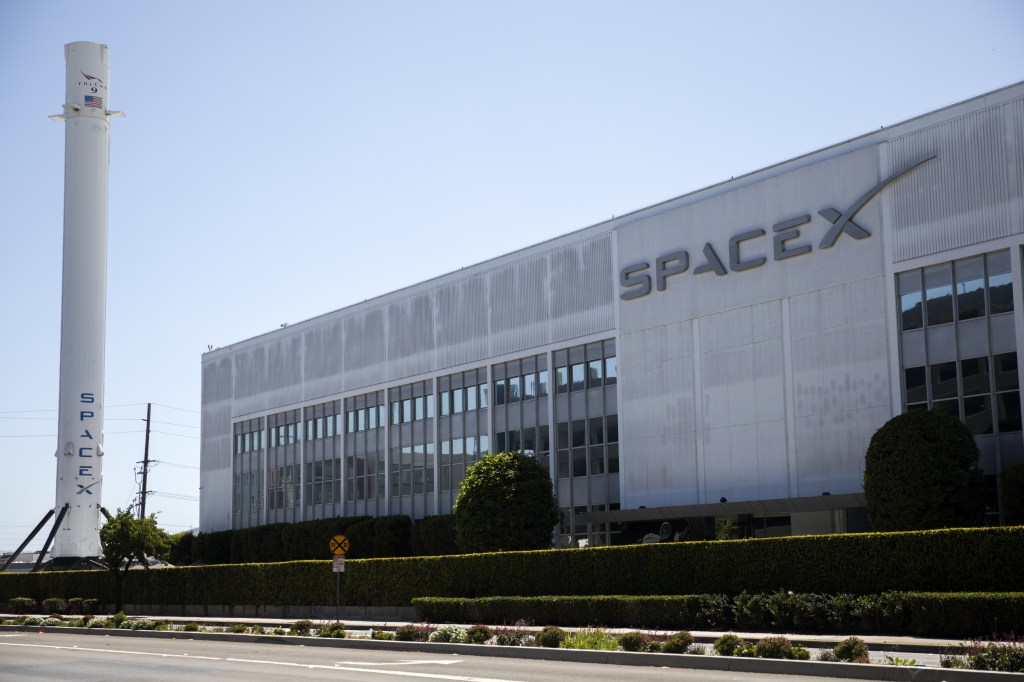
In a landmark decision on August 19, 2025, the Fifth Circuit Court of Appeals ruled that the structure of the National Labor Relations Board (NLRB) is likely unconstitutional, delivering a significant victory to SpaceX and other companies challenging the agency’s authority. This ruling effectively halts ongoing unfair labor practice cases against SpaceX, Energy Transfer, and Findhelp, pending further legal proceedings.
Background of the Case
The controversy began when the NLRB initiated proceedings against SpaceX following the termination of employees who had signed an open letter criticizing CEO Elon Musk and alleging a culture of sexism within the company. SpaceX contested the NLRB’s actions by filing a lawsuit, asserting that the agency’s structure infringes upon the U.S. Constitution’s separation of powers doctrine.
Constitutional Concerns
At the heart of the dispute is the argument that the NLRB’s administrative law judges (ALJs) and board members are insulated from at-will removal by the President, thereby violating Article II of the Constitution. This article mandates that the President ensures laws are faithfully executed, which, according to the court, is impeded by the current protections afforded to NLRB officials. The Fifth Circuit’s panel, comprising Judges Don Willett, Stuart Duncan, and a third judge appointed by George H.W. Bush, emphasized that such insulation from presidential oversight constitutes an immediate harm, necessitating prompt judicial intervention.
Implications for the NLRB
This ruling marks the first appellate-level decision to challenge the NLRB’s structural independence, potentially setting a precedent that could affect the agency’s future operations. The NLRB, established in 1935 to enforce labor laws and facilitate collective bargaining, now faces scrutiny over its foundational framework. The court’s decision underscores the necessity for executive agencies to remain accountable to the President, ensuring alignment with constitutional principles.
Broader Impact on Labor Relations
The Fifth Circuit’s decision may have far-reaching consequences for labor relations in the United States. By questioning the constitutionality of the NLRB’s structure, the ruling opens the door for other companies to challenge the agency’s authority, potentially leading to a reevaluation of how labor disputes are adjudicated. This development could influence the balance of power between employers, employees, and the federal government in labor relations.
Next Steps
While the Fifth Circuit’s ruling is a significant development, it is not the final word on the matter. The NLRB is expected to challenge the decision, potentially escalating the case to the Supreme Court. In the interim, the injunctions against the NLRB’s proceedings remain in effect, providing temporary relief to SpaceX, Energy Transfer, and Findhelp as they continue to contest the agency’s authority.
Conclusion
The Fifth Circuit Court of Appeals’ decision to declare the NLRB’s structure likely unconstitutional represents a pivotal moment in U.S. labor law. By emphasizing the importance of presidential oversight over executive agencies, the ruling challenges longstanding practices and could reshape the landscape of labor relations. As legal battles continue, the outcome of this case may redefine the boundaries of federal authority in labor disputes.