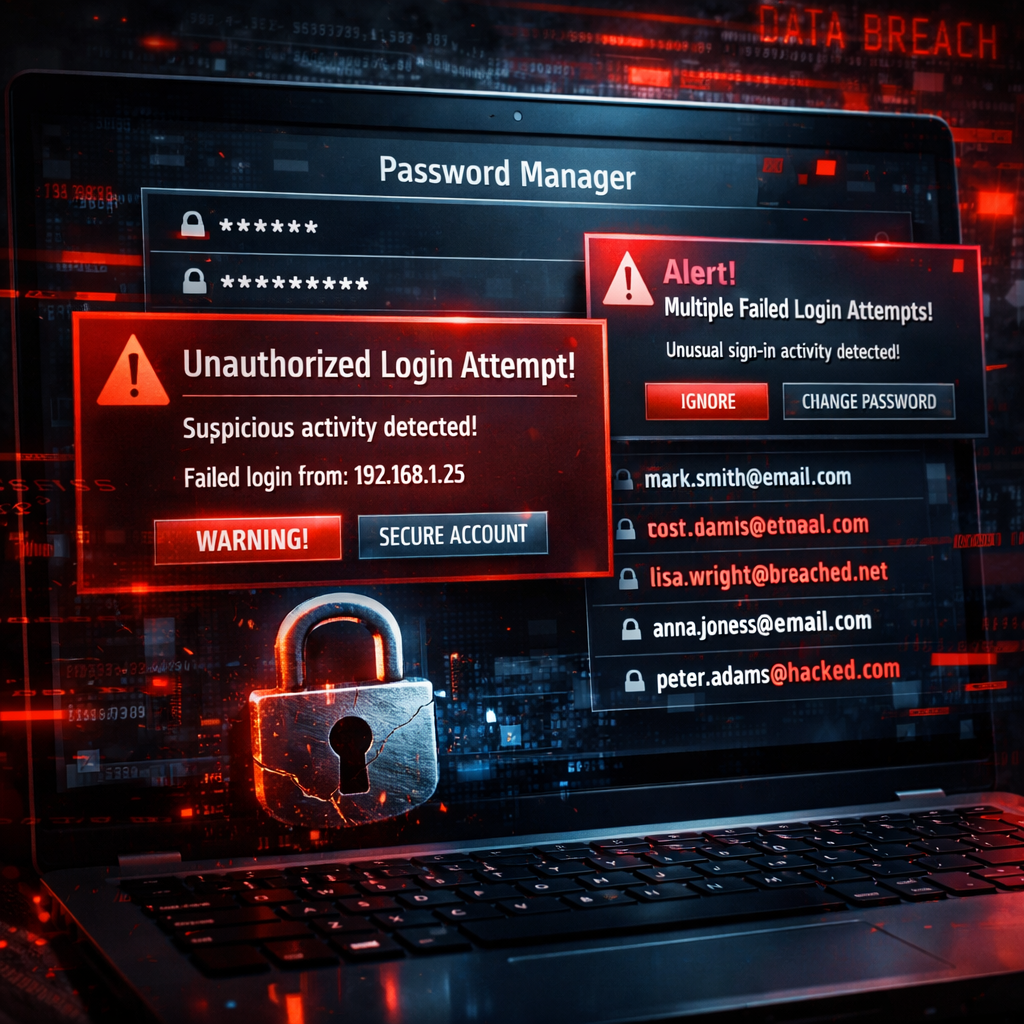
pCloud Pass — the password manager from Swiss tech firm pCloud — has confirmed it was hit by a cyber attack that exposed a limited number of user email addresses and triggered unauthorized login attempts. Users first flagged the issue after spotting sign-in alerts from unfamiliar devices despite two-factor authentication (2FA) being active. The company says the incident has been contained.
What Was Exposed — And What Wasn’t
According to pCloud, only users’ email addresses were compromised. Critical customer vault contents — passwords, secure notes, recovery data — were protected by encryption and access still requires the master password, which was not disclosed in this incident. Their cloud storage service remains unaffected.
Details Around the Attack and User Alerts
Users reported receiving emails about a new device signing in to their pCloud Pass accounts, despite 2FA being enabled. These emails also included an “Open Settings” option to change the master password if the activity wasn’t initiated by the user. The unfamiliar device appeared as “pd” and attempts came from two IPs tied to pCloud infrastructure in Luxembourg — one linked with “eapi1.pcloud.com,” the other with “onlyoffice.pcloud.com.”
It’s not yet known whether any login attempts succeeded or if encrypted vaults were accessed or downloaded. pCloud hasn’t revealed how attackers gained access, the timeline of intrusion, nor how long the access lasted before detection.
Broader Context and Recommendations
pCloud has urged users to be vigilant: phishing scams could mimic official channels to trick them into revealing master passwords or recovery phrases through email, phone, or chat. The company emphasized that security weaknesses are being disclosed more rapidly, accelerated by advances in AI, sometimes before developers can issue patches.
This incident marks the third time this month a password-management tool has been involved in a breach. Earlier in November 2026, users of an app called mSecure (by mSeven Software) were advised to reset passwords and 2FA after suspicious activity. And 1Password also confirmed a security incident linked to a compromised employee GitHub account, though it said customers’ encrypted vaults and secrets were not exposed.
Analysis:Though the scope here seems relatively narrow — exposed emails, login attempts, encrypted data untouched — this breach erodes trust in password managers at a moment when users are relying heavily on them. The unclear timeline, lack of details about attack vectors, and exposure despite 2FA all point to deeper systemic risks. Going forward, transparency in breach reporting, audits of internal infrastructure like QA environments, and user education on phishing will be just as vital as strong encryption. Watch whether pCloud improves incident disclosure and whether regulators take notice of these kinds of partially contained leaks.