Today’s tech gratitude list stretches across Apple’s ecosystem—from bold design leaks to safety-focused App Store moves and smarter voice tools. Here’s what Apple fans can breathe a little easier about this Thanksgiving week (November 26, 2026).
Key Apple Updates to Appreciate
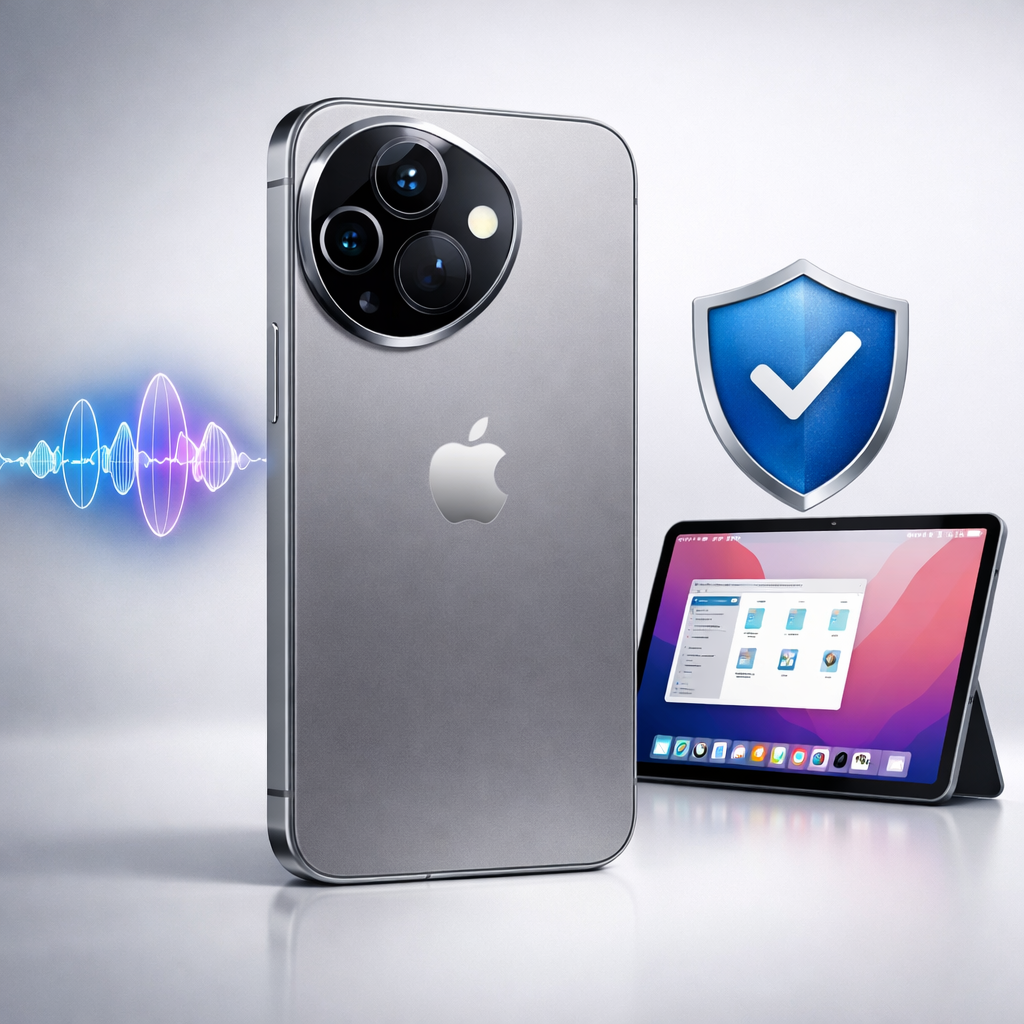
CAD renders have surfaced that hint at an unusual camera layout for the rumored iPhone 18e. If accurate, the design could signal new aesthetics or hardware functionality in Apple’s mid-tier model. Meanwhile, accessories like the iPad Duo aren’t just getting cosmetic love; discussions about enabling macOS-like features suggest Apple is softening platform lines for more seamless synergy. Both stories reflect Apple’s evolving hardware strategy.
On the digital front, user safety made a big play: Apple removed a popular Chinese AI companion app, citing worries that its characters had sent inappropriate messages to minors. It’s a reminder of the App Store’s gatekeeping role in balancing innovation with protection.
Also making waves: Wispr Flow, an AI-driven dictation app, is upgrading its transcription engine with the new Canto-2 speech-to-text model. Early reports suggest it does better at hearing technical terms and recognizing names—issues that often trip up automatic transcription. For people using dictation for work or accessibility, that could mean fewer corrections and better efficiency.
Why These Stories Matter
In the hardware realm, Apple has long juggled styling, camera tech, and feature integration. Unusual camera designs aren’t just about looks—they often point to new sensors, lenses, or even AR possibilities. Meanwhile, macOS-like behavior in iPad accessories continues the push toward a more versatile device ecosystem, blurring lines between tablet and laptop.
App oversight and content moderation in the age of AI companions are under scrutiny worldwide. Apple’s removal of the chatty app shows the company is willing to act when moderation falls short—not just on code, but on real user impact.
Speech-to-text remains one of those cornerstones for accessibility and professional use. Advanced models like Canto-2 are part of a broader trend: smarter, more context-aware AI tools that actually reduce friction instead of adding it. Improvements here shine through in both day-to-day usability and for users who rely on voice input.
Each story, in its way, underscores how Apple still leans heavily into trust—be it design that impresses and protects, software that upholds safety, or AI that listens better. It hasn’t been a flashy week, but it’s for those steady, behind-the-scenes upgrades that often set Apple apart. Going forward, keep an eye on how hardware leaks match up with final designs, how Apple defines responsibility around AI personas, and whether Wispr Flow’s gains spark similar leaps across voice and accessibility tools.