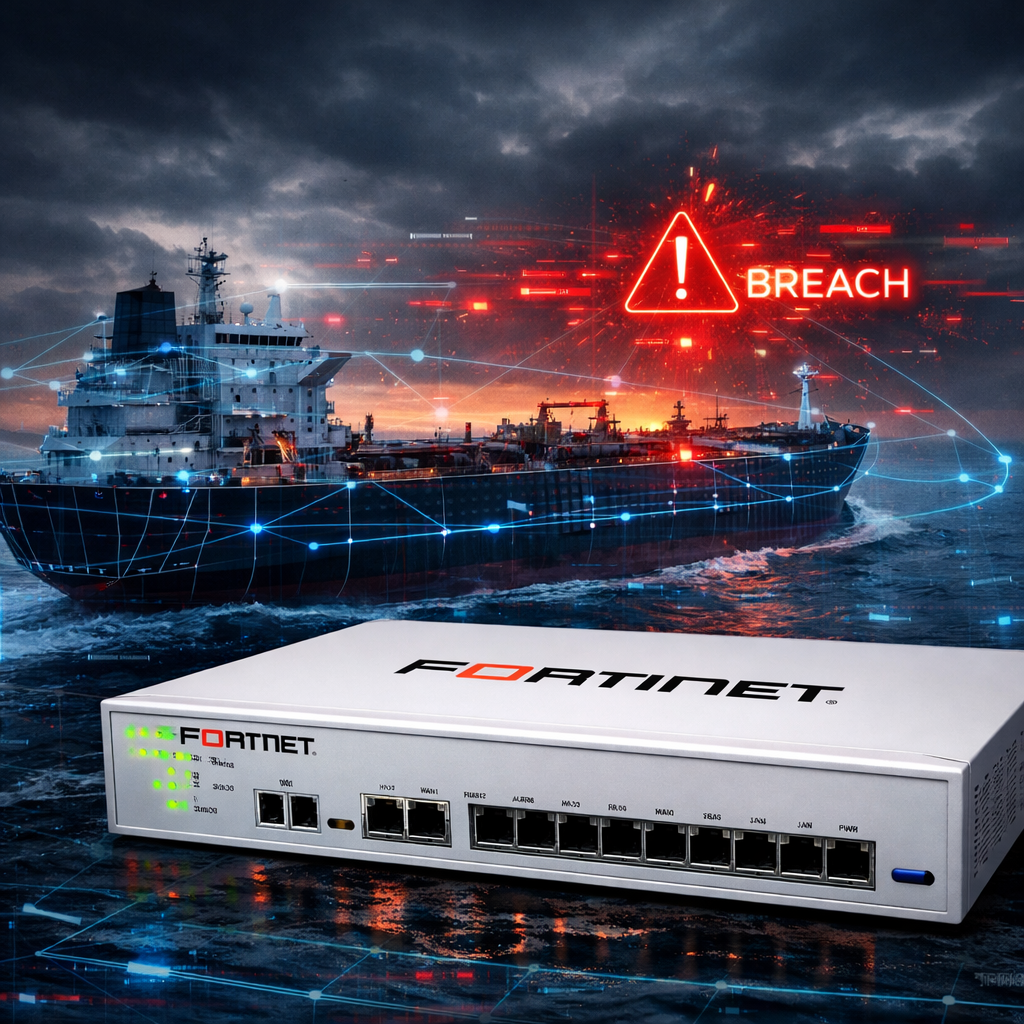
The U.S. is investigating cyberattacks on as many as 50 commercial ships potentially linked to vulnerabilities in Fortinet network devices. Targets include vessels carrying oil, liquefied petroleum gas, and chemical goods, with officials probing whether Iranian hackers are involved. Though there’s no proof yet of navigation or propulsion tampering, serious concerns have emerged over FortiGate routers and firewalls aboard these vessels.
How Attackers Gained Access
The key entry points appear to be credential reuse and known flaws, rather than zero-day exploits. A September joint maritime alert from the U.S. Coast Guard and the FBI flagged Fortinet FortiGate devices—used for firewalls and VPN gateways—as especially vulnerable. Two specific exploits named in that alert are CVE-2026-24858, involving FortiCloud single sign-on, and CVE-2025-25252, an SSL VPN session reuse issue. Also in play is a campaign dubbed “FortiBleed,” which harvested credentials from legacy hash files and reused them at scale.
Investigators found that many affected FortiGate devices had management interfaces exposed to the internet, making them easy targets for credential-stuffing or brute-force attacks. Around 63% of the compromised credentials are default or built-in administrator accounts, while an estimated 87% of exposed devices remain reachable online without adequate protections.
Impacts Reported and Risks
While no official agency has confirmed that attackers have seized control of propulsion, steering, or similar operational technology systems, some crews reported disrupted communications, login issues, and at least one ship experienced an extended blackout in onboard systems. There were also bomb threats and intimidating messages sent to officers, including warnings in Farsi.
Two ships—VL Prosperity and Kohaku—and another known as Vivit Africa are among those that received threats while headed toward U.S. ports. Authorities have boarded several vessels conducting seizures or inspections in ports across the Gulf of Mexico.
Attribution and Official Response
Sources tell multiple outlets that U.S. officials view Iran as the primary suspect, though Russia is also under suspicion. However, a Trump administration official has stated that no definitive proof has tied any specific actor to the attacks. Neither Iran nor Russia has offered a detailed response regarding the allegations.
Military and cybersecurity authorities have encouraged shipping companies to harden their onboard networks by patching affected Fortinet software versions, resetting passwords, enabling multi-factor authentication, and limiting management interface exposure. Segmenting critical operational systems (OT) from office or crew networks (IT) is advised to prevent lateral movements.
This wave of breaches underscores vulnerabilities in maritime cybersecurity, where once separate physical and networked components are now tightly linked. Device management policies, legacy software behavior, and exposure of administrative credentials pose systemic risks.
Though significant damage hasn’t yet been confirmed, the potential is real: an oil spill, collision, or hazardous cargo accident could follow if attackers gained control over ship operations. With holiday shipping season intensifying global maritime traffic, authorities are expected to scrutinize vessels entering U.S. ports for signs of compromise.
In sum, the combination of credential leaks, predictable passwords, exposed management interfaces, and well-known software flaws in Fortinet gear has created a dangerous landscape. The situation serves as a warning that basic cyber hygiene—strong passwords, timely patching, proper network segmentation—can no longer be optional, especially in critical infrastructure sectors like shipping and logistics.
What this means going forward:Maritime operators must treat cybersecurity as intrinsic to safety—not just data protection. Regulators may push for stricter standards, including requiring MFA for admin access, enforcing device inventory oversight, and mandating vulnerability remediation within narrower windows. The broader global trend points to attackers increasingly targeting operational technology through “it’s already exposed” paths rather than inventing new exploits. What gets watched next: attribution clarity, any successful attempts to tamper with OT systems aboard ships, and whether patching efforts make a measurable dent in exposure rates.