As enterprises head into 2027, the pressure on Security Operations Centers (SOCs) and Managed Security Service Providers (MSSPs) is intensifying. Threat actors are leveraging AI to craft realistic phishing, scale social engineering, and morph malware at speeds conventional tools struggle to match. Mounting alert volumes and sprawling attack surfaces are stretching teams thin, even as budgets and headcount stagnate.
1. Upgrade Detection with AI and Behavioral Insight
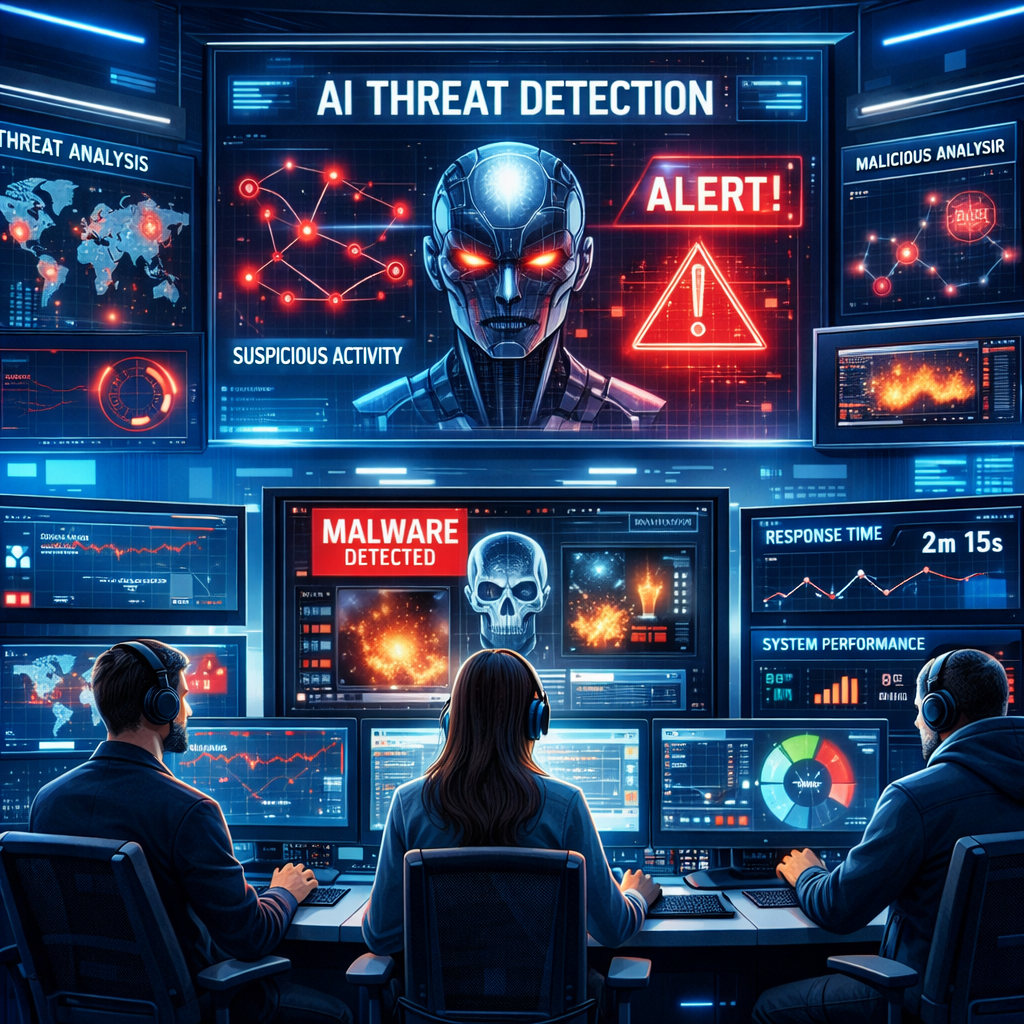
AI-assisted threats are rendering legacy signature-based defenses inadequate. In response, security leaders must prioritize behavioral analytics and contextual detection—techniques which examine what a suspicious file or URL actually does, instead of just relying on reputation lists. Sandboxing is proving essential: using interactive virtual environments, analysts can observe malicious behavior in real time. In practice, tools like deep sandboxing can detect the majority of threats in under a minute, enabling faster prioritization and reducing the burden on human analysts.
2. Embed Intelligence into Investigation Workflows
Detection volume matters less if context is missing. Frequent pain points for SOC analysts include chasing domain and IP clues, revisiting past logs, or querying external feeds during each investigation. Bringing threat intelligence directly into workflows cuts these delays. Advanced features embed related threat context into sandbox sessions, exposing links between indicators, historical investigations, and anonymized industry data. Additional integrations allow analysts to pivot seamlessly into detailed threat intelligence lookups, revealing malware samples, infrastructure data, and attack behavior without leaving the case.
3. Centralize for Scale and Consistency
Growth across regions, business units, or customer bases adds significant operational complexity—fragmented workflows, inconsistent results, and higher overheads are common challenges for MSSPs especially. Centralized management platforms address this by uniting multi-tenant teams, standardizing permission controls, and separating client-specific environments while maintaining consistency in security practices. By consolidating case history and enabling transparent performance tracking across teams and customers, SOCs can reduce mean time to respond (MTTR) and improve overall capacity.
4. Lean Heavily on Automation and Skill Development
Automation isn’t a buzzword—it’s essential. Identifying high-volume bottlenecks in alert processing, evidence gathering, IOC enrichment, and reporting allows SOCs to offload repetitive tasks. API integrations that funnel suspect artifacts into sandbox systems, followed by enriched alerts and AI-summarized findings, lighten the load on analysts. Meanwhile, standard reports and recommendations help streamline decision-making by uniformly guiding responses. The result: resilient workflows that don’t require proportional growth in staffing.
5. Budget with Business Metrics in Mind
Financial resources are not guaranteed to grow. Over half of CISOs surveyed in 2026 reported flat or declining cybersecurity budgets. To win investment, SOC leaders must link spend to measurable outcomes. Key metrics include time to triage, MTTR, analyst hours saved through automation, investigation and escalation costs, and detection coverage. MSSPs should also monitor customer onboarding burden, SLA performance, and profitability per client. By using performance benchmarks—such as hundreds of analyst hours saved per thousand alerts—teams can build stronger business cases and ensure each technology dollar accelerates detection, response, or scale.
Stepping into 2027, SOCs and MSSPs must navigate a world of AI-accelerated threats, rising complexity, and constrained resources. The path forward isn’t about chasing every new tool—it’s about using innovation strategically. By improving visibility, automating heat-points, centralizing operations, and linking initiatives to business impact, security teams can grow sustainably. What matters most in the year ahead is speed without sacrificing quality—and building SOCs that deliver measurable value without burning out the people behind them.