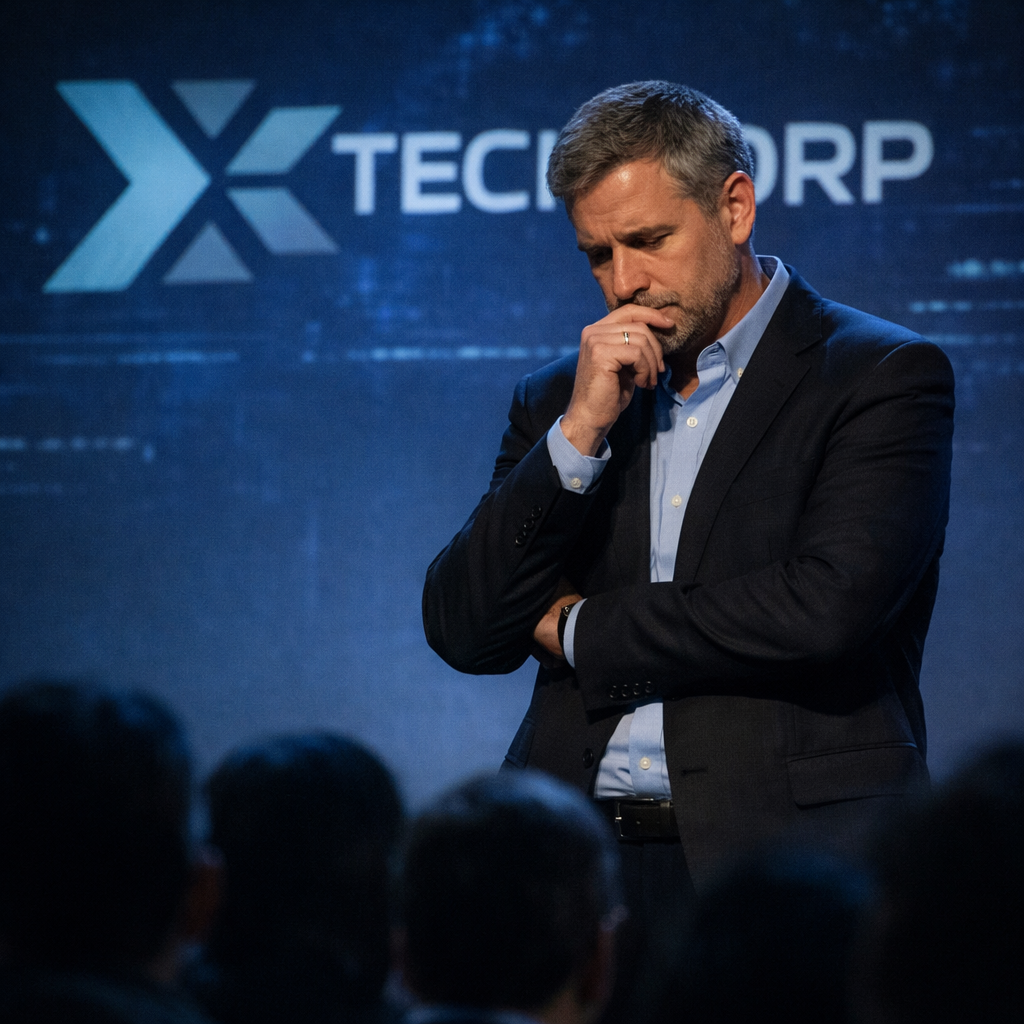
Nvidia CEO Jensen Huang made his first appearance in an all-hands meeting on Tuesday after being reinstated the day before. In front of employees, he conveyed remorse for recent actions, announced he’s in therapy, and expressed gratitude for a second chance to lead the company.
What led to this moment
Huang’s return followed turbulent weeks in which allegations of extramarital affairs raised serious concerns—including over possible risks to the company’s stock, operations, and national security. He admitted during the gathering that he had violated Nvidia’s own code of conduct, a policy he had played a major role in establishing. While he acknowledged missteps, he emphasized that breaches of conduct would not always result in immediate termination. Context and nuance, he said, matter in each case.
Describing the meeting as one of the hardest he’s ever held, Huang told staff that the hardest meeting was with his wife. He also spoke of personal growth and responsibility, sharing that he’s receiving professional support via therapy. His tone was reportedly one of deep accountability; he acknowledged harm done to his team and sought to rebuild trust.
Political pressures and the path forward
Huang notably extended thanks to the White House, citing the federal administration’s quick access to intelligence as essential in helping Nvidia’s board decide the national security risks of reinstating him were low. Although media reports suggest former President Trump personally intervened, Huang downplayed any direct political influence in his return to leadership.
Despite his reinstatement, Huang now faces significant scrutiny. With a newly Democrat-led Congress, he’s expected to appear before several oversight bodies—including the Senate Banking Committee—and will be called for closed-door sessions with committees focused on Intelligence, Foreign Affairs, and China. These hearings will likely probe not just the past behavior that cost him his position, but Nvidia’s broader operations and governance practices.
While acknowledging the weight of the moment, Huang underlined that Nvidia’s ethical standards remain active. He pledged that the code of conduct still governs all employees—himself included—but said that context will play a key role in any disciplinary decisions going forward. It’s a delicate balancing act: reasserting leadership, admitting wrongdoing, and laying the groundwork for renewed trust.
This moment marks a critical juncture for Nvidia. The CEO’s return hasn’t erased the damage done by scandal, but Huang is clearly staking everything on accountability. His efforts to publicly atone, lean into therapy, and clarify the rules suggest he’s determined to shift the company’s culture. Moving forward, the real test won’t be in words, but in consistent, concrete changes: internal transparency, how future conduct violations are handled, and how Nvidia navigates political and regulatory scrutiny without undercutting innovation or trust.