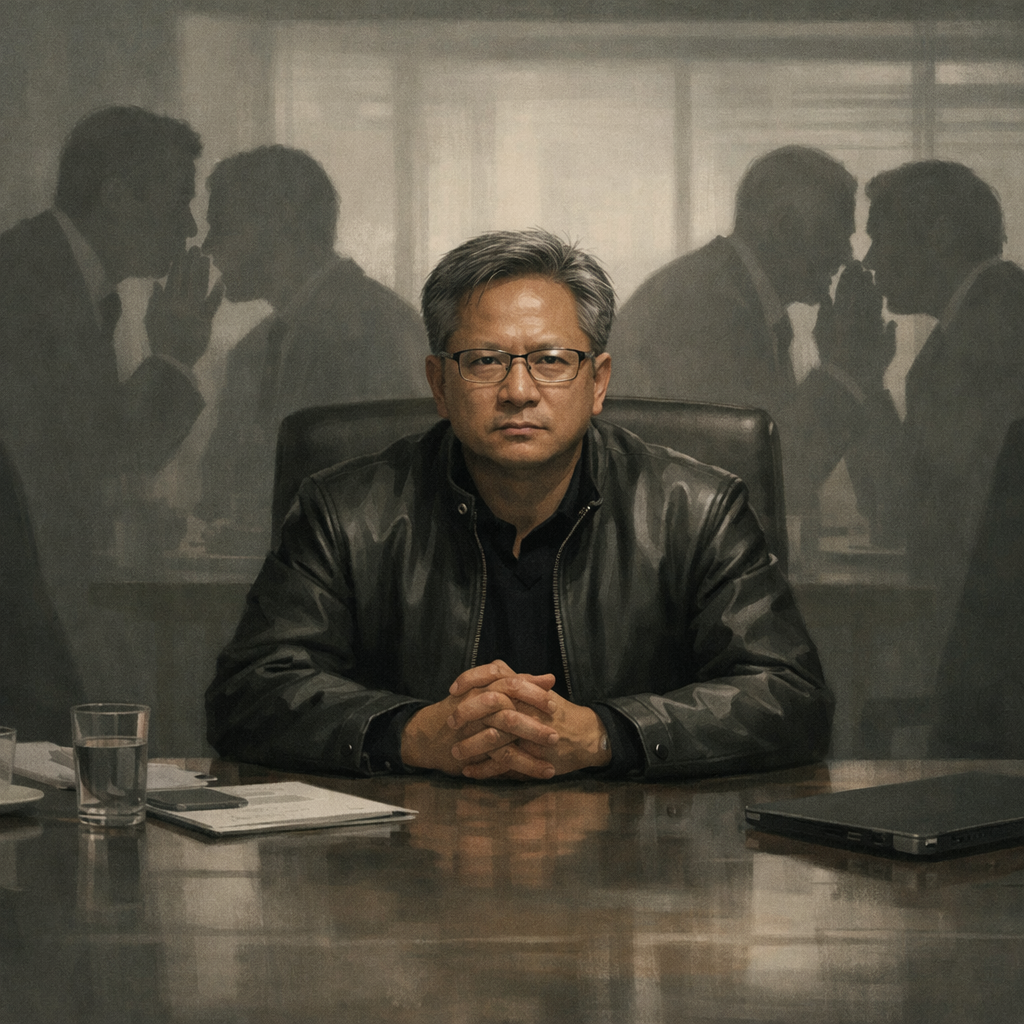
Nvidia’s board restored Jensen Huang to his roles as CEO and president this week, just two weeks after he stepped down from those posts. The decision came after a critical meeting during which Huang admitted to having more than the two extramarital affairs that had already been made public.
Earlier in November, Huang acknowledged in a letter to employees that he was involved in an affair with Alice Huang, a Megaspeed executive accused of espionage, and later media reports surfaced regarding an intimate relationship with Nvidia’s VP of Health, Kimberly Powell. Subsequent reporting revealed yet another affair with an unnamed Nvidia employee.
Despite the board’s reinstatement of Huang, it remains unclear which specific affairs he admitted to during the private board session. Sources say he confessed to additional affairs beyond those already disclosed, but whether those were the ones involving Alice Huang, Kimberly Powell, the unnamed employee, or others has not been detailed.
Why the Board Reinstated Him
The reversal was triggered by pressure from the federal government, according to Nvidia. President Donald Trump reportedly contacted the company’s board in favor of Huang’s return. Over the weekend before the reinstatement, Attorney General Todd Blanche informed Trump and Vice President JD Vance that there was no ongoing Department of Justice investigation into Huang and that no evidence pointed to him being a national security risk.
His return was met with warm reception on company premises—employees applauded as he re-entered the premises. The board described the welcome as a “hero’s welcome,” signaling deep internal support despite the public scandal.
Broader Implications and Outstanding Questions
This controversy raises new questions about executive accountability, the influence of political actors in corporate governance, and how organizations respond to personal misconduct among top leadership. It also touches on concerns around workplace boundaries and ethics, especially for large tech firms with expansive employee bases.
While Huang’s admission confirms multiple affairs beyond prior disclosures, the exact number, identities of those involved, and whether any involved misuse of power or policy violations remain unanswered. Moreover, the nature of board oversight during this period will come under scrutiny—particularly what the board knew and when, and how it assessed risk.
What to watch now: whether any legal action will follow, how this affects Nvidia’s stock or partnerships, and whether the board will impose controls to prevent similar situations in the future.