As organizations brace for budgeting in 2027, security operations centers (SOCs) face a tightrope: flat or shrinking budgets on one side, and rapidly escalating cyber risks and alert volumes on the other. Analysis suggests much of the cost pressure isn’t just about dollars—it’s about wasted analyst time and inefficient processes.
One estimate finds that SOCs can recover about 450 analyst hours for every 1,000 alerts investigated simply by speeding up threat analysis and streamlining research into indicators of compromise (IOCs). That’s a clue: the path to both cost savings and stronger security lies in smarter operations—not more staff. Below are five high-impact priorities SOC leaders should anchor their 2027 budgets around to reduce costs, reclaim capacity, and strengthen defenses.
1. Focus AI Spending on Measurable Impact
AI is no longer optional in cybersecurity. But the key is what metrics you choose to drive value. Instead of counting features, prioritize ability to reduce investigation time, cut workload for Tier 1 analysts, and lower escalation rates. For example, tools that automate parts of the investigation process—following redirects, extracting malicious links, even solving CAPTCHA challenges—can surface the full chain of an attack without manual toil. Internally measured results show up to 20% reduction in Tier 1 workloads and 30% fewer escalations to higher-tier investigators.
2. Recover Capacity Before Checking Headcount
When alert volumes multiply, hiring seems logical. But before pushing to grow the team, measure how much analyst time could be recovered with better tools and streamlined workflows. A mid-size SOC handling 4,000 alerts per year, for instance, could potentially recoup 1,800 hours—translating to over $100,000 in capacity value—by optimizing existing processes. That recovered time can reduce overtime, cut down on outsourcing, or delay hiring new staff.
3. Slash IOC Research Overhead via Threat Context Integration
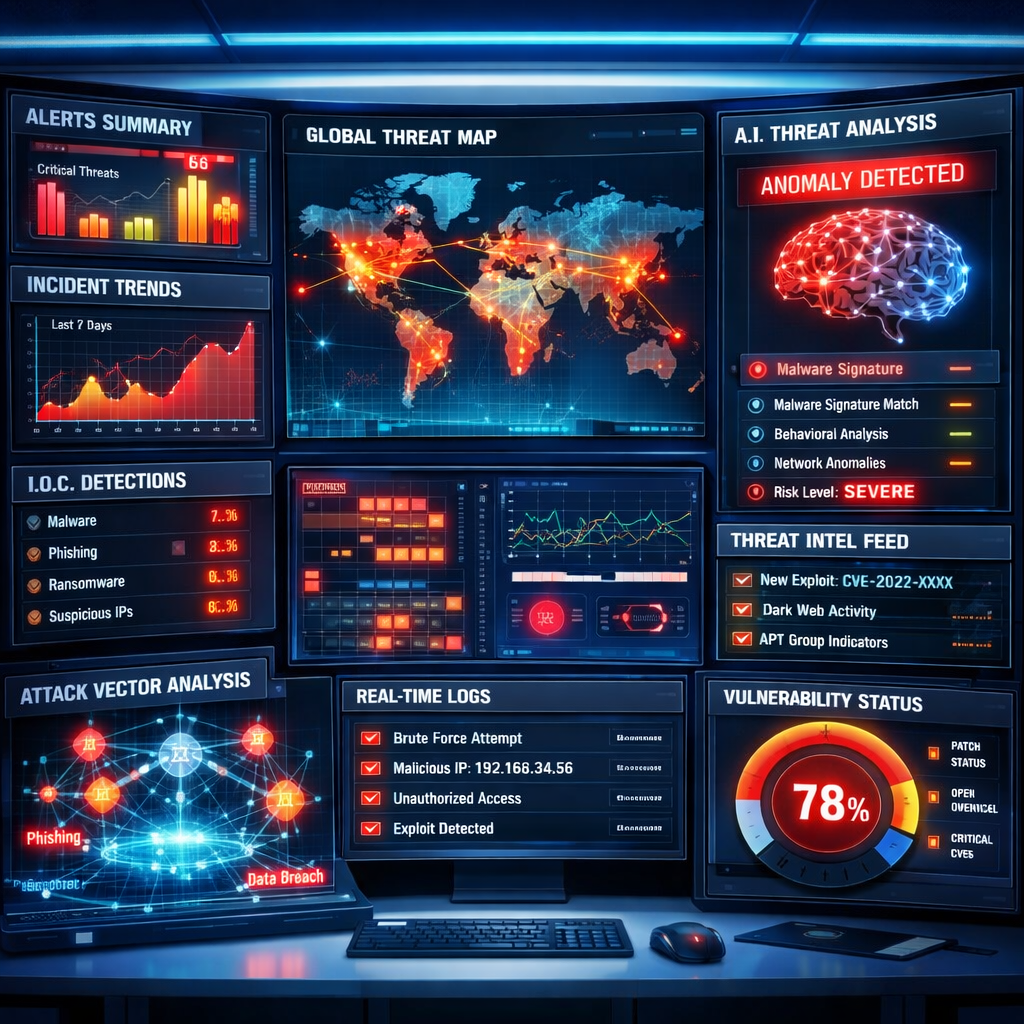
IoCs are critical for detection, but researching each one can be a blocker when teams have to jump between systems to uncover IPs, domains, files, and historical attack data. A more connected threat context—where related threat intelligence is surfaced alongside investigation tools—allows analysts to pivot directly into what’s known about suspicious entities. This reduces repeated research, accelerates decision making, and frees up scarce time for high-priority threats.
4. Maximize ROI from Your Existing Security Stack
Before investing in new products, get more from what you already have. Many SIEM and SOAR systems are underutilized—fresh threat intelligence isn’t being fully integrated, and detection rules aren’t frequently updated. By plugging in real-time intelligence feeds via standardized formats like STIX/TAXII, APIs, or native integrations, organizations can detect more threats earlier without increasing costs. Internal findings suggest that up to 30% of malicious indicators uncovered during dynamic analysis were already available via these shared feeds, meaning earlier detection is often possible with tools already in place.
5. Prioritize Investments That Minimize Incident Cost
No cost-cutting move is worth it if it leads to a breach. Budget decisions should be anchored in preventing escalation. For financial institutions, studies show data breach costs averaging over $6 million—and some internal risk models estimate that earlier detection of phishing or malware incidents could prevent losses starting at $60,000 per incident. When evaluating new capabilities, measure how they impact detection speed and containment effectiveness, not just feature sets.
Ultimately, the goal for 2027 isn’t bigger budgets—it’s smarter ones. The SOCs that thrive will be those that trim unnecessary expenses, eliminate bottlenecks, and invest in areas that prove their value in hours saved or breaches prevented. Watch closely for vendors and platforms that offer transparency and measurable outcomes—those may deliver disproportionate returns when margin for error is slim.