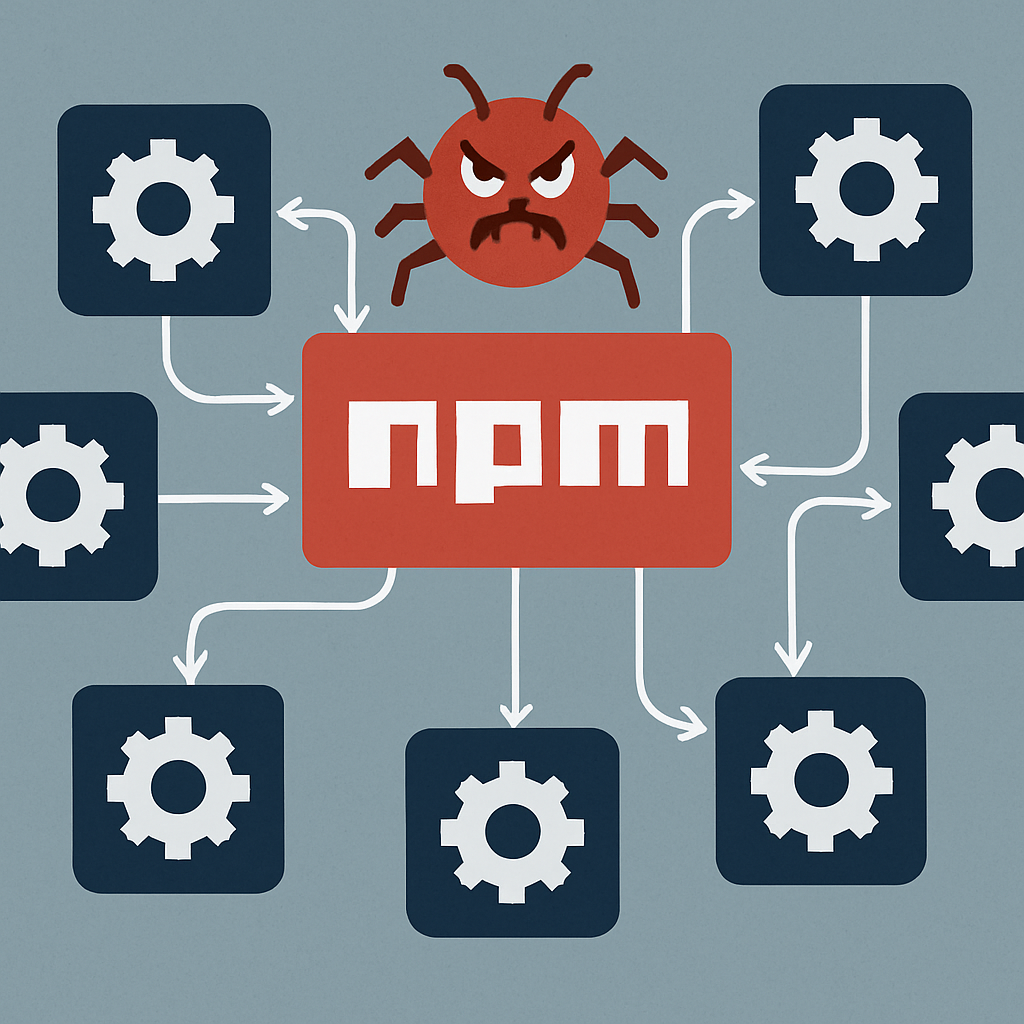
In October 2026, a sophisticated cloud intrusion executed with the CyberStrikeAI framework compromised 3,392 user accounts and decrypted 50 SSH private keys over the span of roughly four days. The attacker worked across two Amazon Web Services (AWS) accounts and infiltrated seven Amazon Elastic Kubernetes Service (EKS) clusters. Such breaches are rare in both scale and method.
How the Breach Unfolded
The attacker gained their initial foothold via a stolen session linked to a Terraform runner—a tool commonly used to manage cloud infrastructure. That access escalated into full Kubernetes privileges. From there, they accessed systems used for building and deploying software, including Jenkins and GitHub Actions. Secrets stored for builds and deployments were exposed. In one case, approval checks within the production pipeline were bypassed. Meanwhile, live session tokens extracted for 3,392 users granted the attacker the ability to act as those users without requiring their passwords.
Additionally, the attacker decrypted the database of a bastion host—a gateway for administrators to access internal systems—and recovered 50 SSH private keys. Although it’s unclear whether those keys were used or how many machines they corresponded to, their theft significantly amplifies the severity of the incident.
Tools, Backdoors, and AI Integration
The investigation, conducted by Wiz, revealed that the operation was powered by CyberStrikeAI. Evidence also suggested connections to ARTEX-related infrastructure, including a rootkit disguised as a font configuration service. This malware leveraged DNS traffic to maintain communication and went undetected by VirusTotal at the time of discovery.
The attacker installed beacons on 19 hosts and extracted API keys—such as those for Anthropic—from around 50 hosts. They also combed through employees’ AI coding-assistant histories in search of credentials usable in production. Indicators left on compromised resources include names like “csai-escape”, “csai-probe”, and “csai-pentest-role”. At its peak, the campaign utilized more than 220 proxy IPs against single targets, underscoring its operational sophistication.
Detection, Response, and IoCs
For defenders, some of the clearest warning signs involve unexpected spikes in secret access, unusual administrative activity across cloud resources, and session tokens used from unfamiliar locations. In response, organizations need to invalidate all exposed session tokens, rotate SSH keys and build credentials, and reassess which services trust those keys. It’s not enough to just reset passwords.
Wiz also released a list of Indicators of Compromise (IoCs) including dozens of IP addresses linked to activity between late October and mid- to late-November 2026. These serve as essential tools for threat-intelligence teams and Security Operations Centers (SOCs) trying to detect or block related incursions.
Every aspect of this breach—from Terraform misuse to Kubernetes compromise—demonstrates the expanding footprint of AI-assisted attack tools. CyberStrikeAI not only enabled broader access but made detection much harder, through forged tokens, masqueraded malware, and proxy usage.
What This Means Going Forward
This incident illustrates a disturbing evolution in cloud security threats: attackers are increasingly embedding AI tools into their arsenals to automate reconnaissance, privilege escalation, and lateral movement. What once demanded manual effort is now turbo-charged by frameworks built for scale. Organizations that rely on shared trust between services—through SSH keys, session tokens, build pipelines—may find themselves vulnerable in multiple domains simultaneously.
To defend against this class of attack, companies must prioritize tighter controls over infrastructure-as-code tools, implement strong auditing of build and deployment systems, enforce least-privilege access in Kubernetes environments, and monitor anomalous behavior for credentials and session tokens. The cost of ignoring any part of this chain is already proven.
As AI continues to lower the technical barriers for attackers, this breach should serve as a warning: it’s not simply about securing code or network perimeter anymore. The threat now lives in the seams between cloud components. Organizations that map those seams—and harden each trust boundary—will be best positioned to withstand the next CyberStrikeAI-style campaign.