An Indian startup has called for a ban on Apple devices in India, arguing that the iPhone’s NameDrop feature violates its patent rights. The Bombay High Court is being asked to halt sales and imports of iPhones and Apple Watches that support NameDrop, or pay damages totaling 15 billion rupees (roughly $162 million).
Who’s Behind the Case
The lawsuit was brought by GG Technologies, creator of the contact-sharing app StayTouch, after mediation talks with Apple reportedly broke down. The patent in question was granted by the Indian patent office in July 2024, following a 2021 application. Unfortunately for the startup, GG Technologies also filed a similar claim against Apple in the U.S. earlier this year. Meanwhile, in August, the U.S. International Trade Commission (ITC) initiated its own probe into whether Apple infringed GG Technologies’ patents, potentially blocking imports of affected Apple devices.
What Is NameDrop?
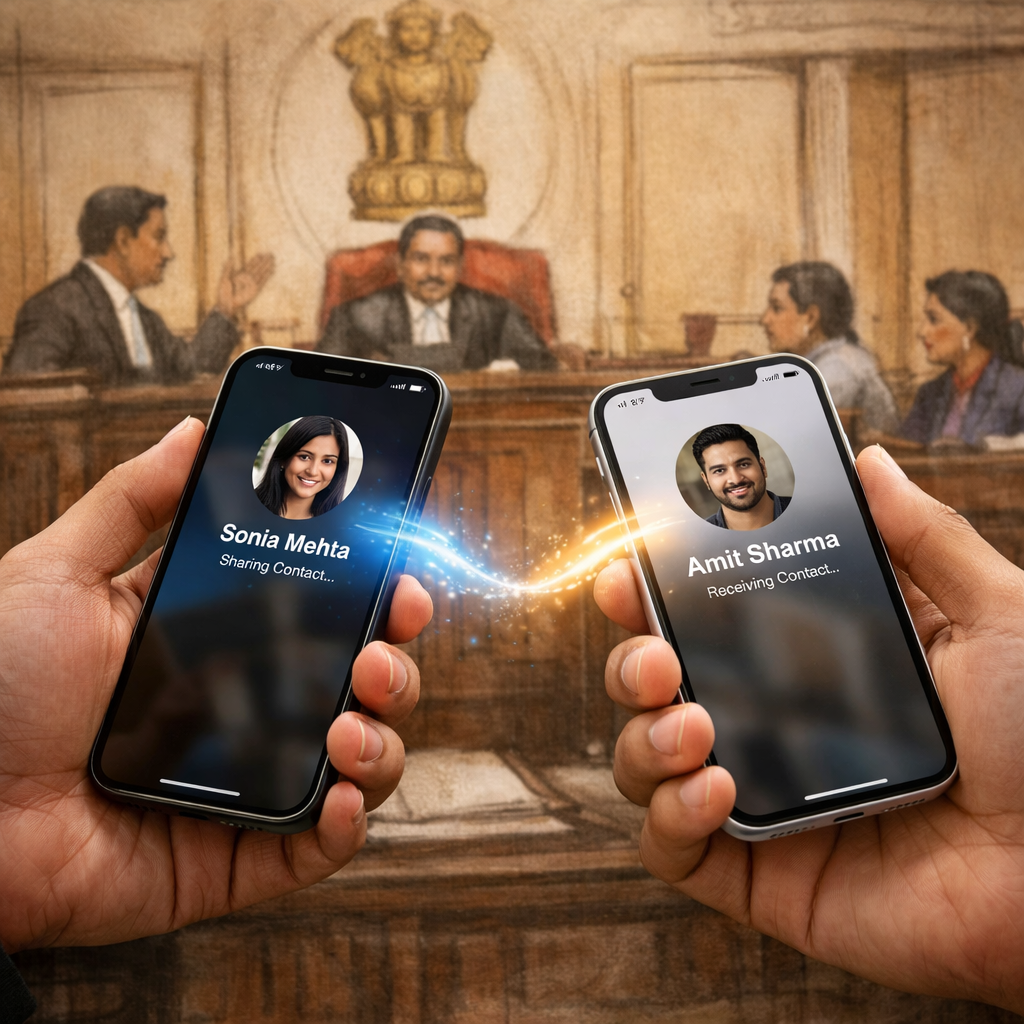
Introduced with iOS 17 in June 2023, NameDrop allows users to exchange contact information simply by bringing compatible Apple devices close together. As with many contact-sharing features, it requires user confirmation to complete the exchange. Though the feature is built in, its adoption rate among users remains unclear, with reports suggesting it is rarely utilized in everyday scenarios.
What GG Technologies Wants
GG Technologies is asking the court to order Apple to stop manufacturing, importing, and selling any devices in India that support NameDrop. It also seeks substantial financial compensation—15 billion rupees—which would cover past and future damages tied to the alleged infringement. As of now, the case is not listed for a court hearing, leaving Apple’s options unclear.
This dispute emerges amid growing legal tensions over intellectual property and patent enforcement within India’s tech sector. For Apple, this marks the latest of several patent claims both domestically and globally. It underscores how newer software-based features, especially in seamless data or contact sharing, are increasingly becoming flashpoints in litigation.
What this means: If the court sides with GG Technologies, Apple could face a forced removal of NameDrop in India, or even see Apple devices barred from its market. For consumers, this could mean slower access to software updates or stripped-down device functionality. Keep an eye on how the court rules, particularly as this case could set a broader precedent for how India deals with patent claims around built-in features going forward.